AIOCD chemists' strike shuts pharmacies nationwide over e-pharmacy concerns
Synopsis
Over 12 lakh retail chemists downed shutters across India on 20 May in a coordinated AIOCD-led strike targeting e-pharmacies and counterfeit drug loopholes — a direct challenge to the fast-growing online medicine sector that has so far outpaced regulatory oversight. With political voices joining in and over 1,200 pharmacies shut in Tamil Nadu's Tiruvarur district alone, the pressure on the government to act is mounting.
Key Takeaways
The All India Organisation of Chemists and Druggists (AIOCD) called a one-day nationwide strike on 20 May 2025 .
Pharmacies shut across multiple states including Punjab , Himachal Pradesh , Mumbai , and Tamil Nadu .
More than 1,200 pharmacies closed in Tiruvarur district , Tamil Nadu alone.
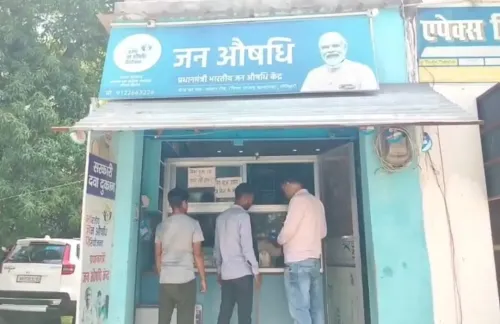
Nursing homes and Janaushadhi Kendras were exempted from the strike at the government's request.
Key demands include a ban on e-pharmacies, stricter action on counterfeit drugs, and tighter regulation of abortion pills.
BJD MP Sasmit Patra backed the strike, calling chemists' concerns 'very genuine.'
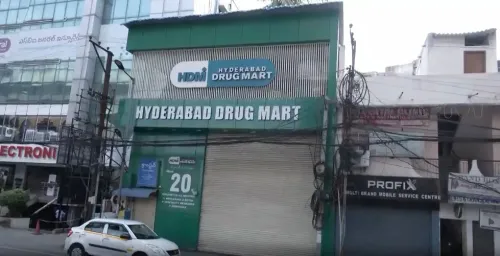
Chemists across India on Wednesday, 20 May observed a one-day nationwide strike under the All India Organisation of Chemists and Druggists (AIOCD), demanding a ban on e-pharmacies, stricter action against counterfeit medicines, and tighter regulation of online pharmaceutical sales. The shutdown led to the closure of medical stores in several states, disrupting medicine availability and healthcare access for patients in multiple regions.
Key Demands and Strike Scope
Parsan Kumar Singh, President of the Bihar Chemists and Druggists Association (BCDA) and national Vice-President of the AIOCD, confirmed the protest had received widespread participation. 'Today, chemists across the country are participating in a nationwide shutdown... At the same time, protests are being held at block, subdivision, and district levels across Bihar. It is a complete shutdown,' he said. Singh added that nursing homes and Janaushadhi Kendras were exempted at the request of the Health Minister and Health Secretary to prevent public inconvenience.
Protesters reiterated three core demands: a ban on e-pharmacies, stricter enforcement against counterfeit drugs, and tighter regulation of abortion pills. Chemist shop owner Ashwani Singh voiced support, saying traders across states were united in calling for stronger pharmaceutical law enforcement.
State-by-State Impact
The strike's footprint was visible across the country. In Punjab, medical stores including those in Amritsar's major medicine market remained shut as chemists protested against both online pharmacies and newly introduced government policies. In Chandigarh, the impact was mixed, though many shops downed shutters.
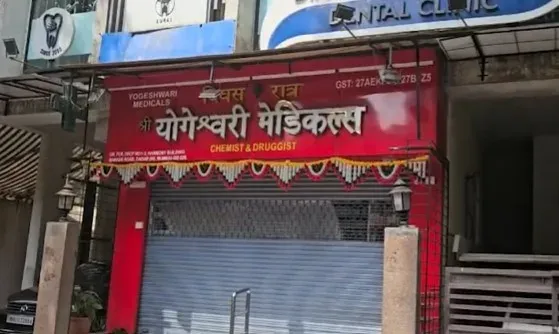
In Himachal Pradesh, residents reported difficulty accessing medicines. 'I came in the morning to buy medicines, but the shops were closed. I learned that there is a strike regarding online medicine sales, and most shops are shut today. It has become difficult to get medicines,' a local resident said. In Mumbai, the strike disrupted medical services and affected availability at several locations.
In the Tiruvarur district of Tamil Nadu, more than 1,200 pharmacies remained shut in solidarity with the protest — one of the largest single-district shutdowns reported on the day.
Political Support and Public Reaction
Biju Janata Dal (BJD) MP Sasmit Patra backed the strike, stating: 'You see, the chemist strike today against the growing dominance of e-commerce and e-pharmacies is a very genuine concern they are raising.' His remarks signal cross-party acknowledgement of the sector's grievances, even as the government has yet to respond formally to the AIOCD's demands.
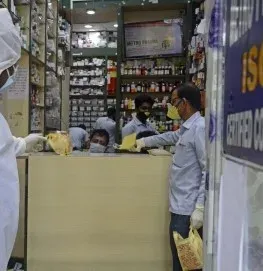
Public reaction was divided. A Delhi resident noted, 'If it is online, if it offers better pricing and convenience, it is still helpful for us.' A medical store worker in the national capital, however, kept his shop open given its location outside a hospital, explaining that patients travelling from distant areas depended on round-the-clock access.
Background and What Comes Next
The AIOCD represents an estimated 12 lakh retail chemists across India. The organisation has previously raised alarms about the regulatory gap between brick-and-mortar pharmacies — subject to licensing, storage, and dispensing norms — and online platforms, which critics argue operate with comparatively less oversight. The e-pharmacy sector has grown rapidly, with several major platforms now operating at scale.
The government is yet to issue a formal response to the strike or the AIOCD's demands. Regulatory clarity on e-pharmacies, which has been pending for several years, is expected to determine whether the standoff between traditional chemists and digital platforms escalates further.
Frequently Asked Questions
Why did chemists go on strike on 20 May 2025?
Chemists across India struck on 20 May 2025 under the AIOCD to demand a ban on e-pharmacies, stricter action against counterfeit medicines, and tighter regulation of online abortion pill sales. The association argues that online platforms operate with far less regulatory oversight than licensed brick-and-mortar pharmacies.
Which states were affected by the AIOCD chemists' strike?
The strike affected pharmacies in Punjab, Himachal Pradesh, Chandigarh, Delhi, Mumbai, and Tamil Nadu, among other states. In Tamil Nadu's Tiruvarur district alone, more than 1,200 pharmacies remained shut.
Were any pharmacies kept open during the strike?
Yes. Nursing homes and Janaushadhi Kendras were exempted from the shutdown at the request of the Health Minister and Health Secretary. Some chemists near hospitals also kept their shops open to serve patients who had travelled from distant locations.
What is the AIOCD and who does it represent?
The All India Organisation of Chemists and Druggists (AIOCD) is the apex body representing an estimated 12 lakh retail chemists across India. It has been a vocal critic of the regulatory framework governing e-pharmacies.
Has the government responded to the chemists' demands?
As of 20 May 2025, the government had not issued a formal response to the AIOCD's demands. Regulatory clarity on e-pharmacies has been pending for several years, and the outcome of this strike is expected to influence whether the government accelerates a policy decision.