Tamil Nadu assures 5,000 pharmacies open during chemists' bandh on May 20

Synopsis
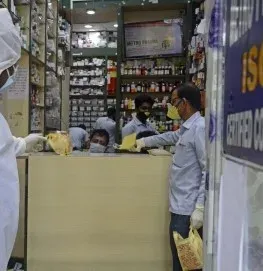
With 12 lakh chemists set to strike on May 20 over e-pharmacy fears, Tamil Nadu is keeping 5,000 pharmacies open and deploying drug inspectors — a state-level firewall against a national shutdown that exposes the deepening fault line between traditional chemists and the Centre's push for online medicine sales.
Key Takeaways
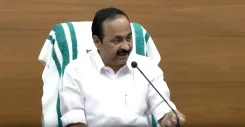
Tamil Nadu Health Minister K.G.
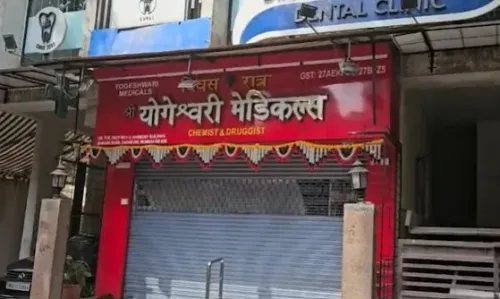
Arunraj confirmed approximately 5,000 pharmacies will remain open across the state on 20 May 2025 .
Both government and private hospital-attached pharmacies will not participate in the bandh.
The nationwide strike is led by the All India Organisation of Chemists and Druggists (AIOCD) , representing over 12 lakh chemists .
Key concerns include unregulated e-pharmacies, deep discounting, patient safety, and rising antimicrobial resistance from unchecked antibiotic sales.
Drug inspectors have been deployed statewide; citizens can contact district coordinators for emergency medicine needs.
The government is also working on safeguards against AI-generated prescriptions .
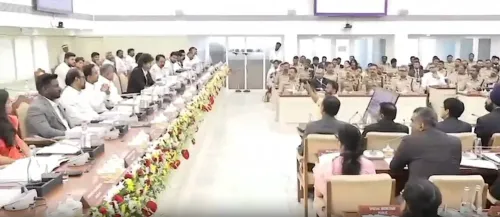
Tamil Nadu Health Minister K.G. Arunraj on Tuesday, 19 May assured the public that essential medical services across the state would remain uninterrupted despite a nationwide pharmacy shutdown called for 20 May by chemist unions protesting the Union government's policies on online medicine sales. Speaking at the Secretariat in Chennai, Arunraj said approximately 5,000 pharmacies would remain operational across Tamil Nadu, shielding patients from disruption.
What the Government Has Arranged
The minister confirmed that Chief Minister C. Joseph Vijay has issued direct instructions to ensure no citizen faces hardship during the one-day bandh. Hospital-attached pharmacies — both government and private — will stay open. Drug inspectors have been deployed statewide to coordinate arrangements, and the administration has held extensive talks with pharmacy associations ahead of the shutdown.
Citizens with emergency medical requirements have been directed to contact designated drug inspector coordinators in their respective districts.
Scale of the Shutdown in Tamil Nadu
Of the approximately 50,000 pharmacies operating in Tamil Nadu, only a limited number are expected to close on 20 May, according to the minister. The majority will continue to function normally, a picture that stands in contrast to the potential for wider disruption in other states.
Why Chemists Are Striking
The one-day shutdown has been called by the All India Organisation of Chemists and Druggists (AIOCD), which represents over 12 lakh chemists nationwide. The body's core grievances centre on unregulated e-pharmacies, deep discounting by large corporate platforms, patient safety risks from unsupervised drug access, and the potential rise in antimicrobial resistance due to unchecked online sales of antibiotics and habit-forming drugs.
The trigger is a Union government decision permitting the sale of drugs through online platforms — a move the AIOCD argues bypasses the safeguards built into the traditional pharmacy system. Tamil Nadu has indicated it will monitor developments on e-pharmacy norms closely and take strict action against violations in online medicine distribution.
AI Prescriptions and Broader Concerns
Minister Arunraj also flagged a separate but related concern: the rise of Artificial Intelligence-generated prescriptions. He stated that the government has taken note of the issue and is actively working on safeguards to prevent misuse — an area that regulators nationally are yet to formally address.
On the political front, the minister reiterated Tamilaga Vettri Kazhagam's firm opposition to the National Eligibility-cum-Entrance Test (NEET), describing it as an infringement on state rights and pledging to continue pressing the Centre to respect federal principles in medical admissions.
What Happens Next
With the Centre yet to finalise its e-pharmacy regulatory framework, the AIOCD's protest is unlikely to be the last word on the issue. Tamil Nadu's proactive deployment of drug inspectors and its insistence on strict enforcement of distribution norms signal that the state intends to maintain pressure on the Centre. Patients requiring urgent medicines on 20 May are advised to approach government hospitals or the district drug inspector helplines.
Point of View
000 pharmacies kept open, inspectors deployed, district helplines activated — is competent crisis management, but it sidesteps the harder question: whether the Centre's e-pharmacy push is adequately regulated. The AIOCD's antimicrobial resistance argument deserves more scrutiny than it typically gets in coverage of trade union actions; unmonitored antibiotic sales are a documented public health risk, not merely a protectionist complaint. The AI-prescription concern flagged by the minister is even less examined nationally. If Tamil Nadu is already 'working on safeguards,' it implies the regulatory vacuum is real — and the Centre has not filled it.
NationPress
16 Sept 2026
Frequently Asked Questions
Will pharmacies be closed in Tamil Nadu on May 20 due to the chemists' bandh?
Most pharmacies in Tamil Nadu will remain open on 20 May. Health Minister K.G. Arunraj confirmed that approximately 5,000 pharmacies, including all government and private hospital-attached pharmacies, will continue to operate despite the nationwide bandh.
Why are chemists striking on May 20?
The All India Organisation of Chemists and Druggists (AIOCD), representing over 12 lakh chemists, has called the one-day bandh to protest the Union government's policy permitting online medicine sales. Key concerns include unregulated e-pharmacies, deep discounting by corporate platforms, patient safety risks, and the rise of antimicrobial resistance from unchecked online antibiotic sales.
What should patients do if they need medicines urgently on May 20?
Patients with emergency medicine requirements on 20 May can contact designated drug inspector coordinators in their districts directly. Government and private hospital-attached pharmacies will also remain fully operational across Tamil Nadu.
What is Tamil Nadu's position on e-pharmacy regulation?
The state government has said it will monitor the Centre's decisions on e-pharmacy norms closely and take strict action against violations in online medicine distribution. It has not opposed online sales outright but is pushing for tighter oversight.
What is the concern about AI-generated prescriptions?
Health Minister K.G. Arunraj flagged the rise of Artificial Intelligence-generated prescriptions as a potential misuse risk. He stated that the Tamil Nadu government has taken note of the issue and is actively developing safeguards, though no specific measures have been announced yet.