Prescription now mandatory for cough syrups under new Centre drug rules
Synopsis
India has quietly ended over-the-counter access to cough syrups — including in villages with fewer than 1,000 people — by striking 'syrups' from the Schedule K exemption list. The Drugs (Fifth Amendment) Rules, 2026 now require a doctor's prescription for every purchase, a move that tightens a regulatory gap long linked to misuse and international safety concerns.
Key Takeaways
The Centre notified the Drugs (Fifth Amendment) Rules, 2026 on 16 June 2026 , making prescriptions mandatory for cough syrup purchases. 'Syrups' have been removed from the exempted drug categories under Schedule K of the Drugs Rules, 1945 .
Previously, cough syrups could be sold without a licence in villages with a population under 1,000 — that exemption has now been scrapped.
All sales must now occur through duly licensed pharmacies under the Drugs and Cosmetics Act, 1940 .
Manufacturers, distributors, and retailers have been directed to comply immediately with the revised licensing and regulatory requirements.
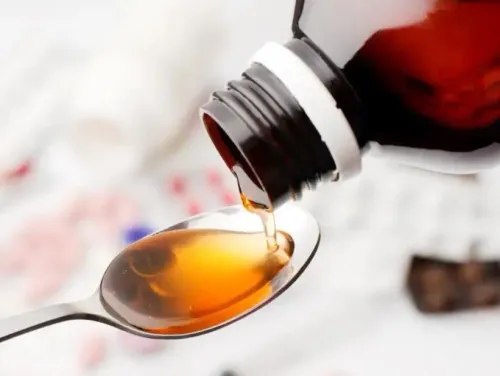
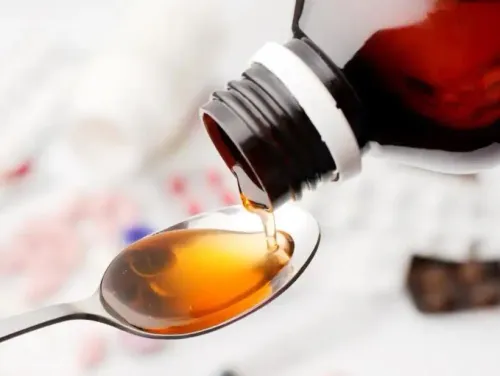
The Centre on Tuesday, 16 June 2026 made doctor's prescriptions mandatory for the purchase of cough syrups and other syrup-based medicines, prohibiting their over-the-counter (OTC) sale by amending the Drugs Rules, 1945. The change, notified through the Drugs (Fifth Amendment) Rules, 2026, removes 'syrups' from the list of drugs exempted under Schedule K, significantly tightening regulatory oversight of such formulations across the country.
What Changed in the Rules
Under the earlier framework, Schedule K of the Drugs Rules, 1945 exempted certain drug categories from specific provisions governing their manufacture, sale, and distribution. One such exemption allowed cough syrups to be sold in villages with a population of fewer than 1,000 without compliance with standard retail licensing norms.
The Drugs (Fifth Amendment) Rules, 2026 removes the word 'syrups' from this exempted category entirely. Going forward, the sale and dispensing of cough syrups — even in small villages — must be carried out exclusively through duly licensed pharmacies operating in accordance with the Drugs and Cosmetics Act, 1940.
What the Health Ministry Said
The Union Health Ministry stated that the amendment is intended to strengthen regulatory oversight of syrup formulations and align the existing exemption framework with current public health and safety requirements. The ministry said the measure is expected to promote responsible distribution and sale of cough syrups while ensuring greater compliance with regulatory standards nationwide.
The ministry also advised manufacturers, distributors, and retailers dealing in cough syrups to ensure strict adherence to all applicable licensing requirements under the Drugs and Cosmetics Act and the Drugs Rules.
Impact on Consumers and Rural Access
For consumers, the most immediate consequence is straightforward: a valid prescription from a registered medical practitioner will now be required to purchase cough syrups. This marks a departure from the earlier practice where such medicines could be bought freely at local shops, particularly in smaller settlements.
The rule change has significant implications for rural India, where licensed pharmacies are not always easily accessible. Critics and public health advocates may argue that the move, while well-intentioned, could create access hurdles for communities in remote areas where consulting a doctor before buying a basic cough remedy is not always practical.
Background and Context
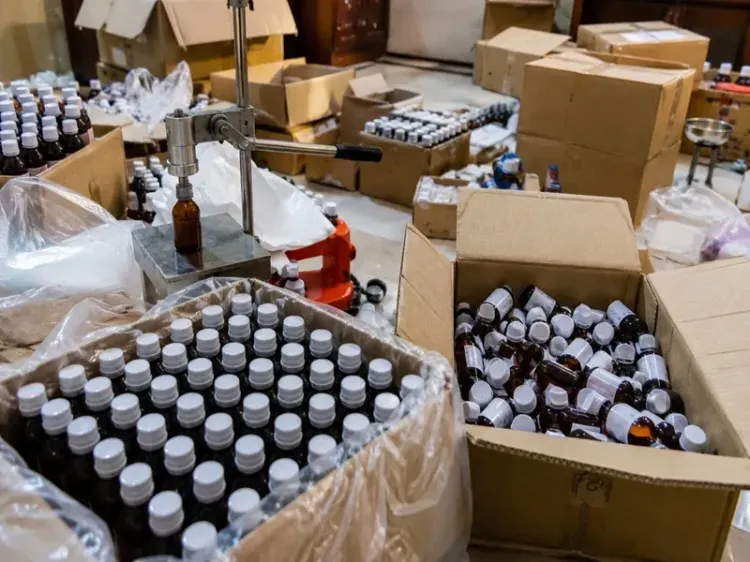
This comes amid heightened global scrutiny of cough syrup formulations. India has faced international pressure in recent years following incidents linking substandard or mislabelled cough syrups to deaths in several countries. Regulatory agencies have since moved to tighten norms around the manufacture and distribution of such products.
Notably, this is not the first time the government has moved to restrict OTC access to medicines with abuse or safety potential. The broader push aligns with efforts to bring India's drug retail environment closer to international regulatory standards. All stakeholders in the supply chain — manufacturers, distributors, and retailers — are now expected to comply immediately with the revised norms.
Point of View
But the government has been quiet about who bears the cost of that closure. Rural consumers — the very population the Schedule K exemption was designed to serve — now face a compliance burden without a commensurate expansion of licensed pharmacy access or telemedicine infrastructure. The timing also raises questions: if the trigger was international incidents involving Indian-manufactured cough syrups, the rule change addresses retail distribution but leaves manufacturing oversight largely untouched in this notification. Tightening the last mile without fixing the supply chain is a partial fix at best.
NationPress
20 Sept 2026
Frequently Asked Questions
What is the new rule on cough syrups in India?
The Centre has made a doctor's prescription mandatory for purchasing cough syrups and other syrup-based medicines, effective from 16 June 2026. This was done by removing 'syrups' from the Schedule K exemption list under the Drugs (Fifth Amendment) Rules, 2026, prohibiting their over-the-counter sale.
What is Schedule K under the Drugs Rules, 1945?
Schedule K is a list of drug categories that are exempt from certain provisions of the law governing their manufacture, sale, and distribution. The exemptions were originally introduced to ease access to medicines in specific circumstances, such as in small villages — but cough syrups have now been removed from this exemption.
How does this rule affect people in rural and small villages?
Previously, cough syrups could be sold without standard retail licensing in villages with a population of fewer than 1,000. Under the new rules, even these villages must sell cough syrups only through duly licensed pharmacies, meaning residents will need both a prescription and access to a licensed outlet.
Why did the government introduce this prescription requirement?
The Health Ministry stated the move is aimed at strengthening regulatory oversight of syrup formulations and aligning the exemption framework with current public health and safety requirements. It is also expected to promote responsible distribution and curb potential misuse of cough syrup formulations.
Who needs to comply with the new cough syrup rules?
All manufacturers, distributors, and retailers dealing in cough syrups must now adhere to licensing and regulatory requirements under the Drugs and Cosmetics Act, 1940, and the Drugs Rules, 1945. Consumers must obtain a valid prescription from a registered medical practitioner before purchasing these medicines.