Cough syrups now require licensed pharmacy sale: Drugs Rules 1945 amended
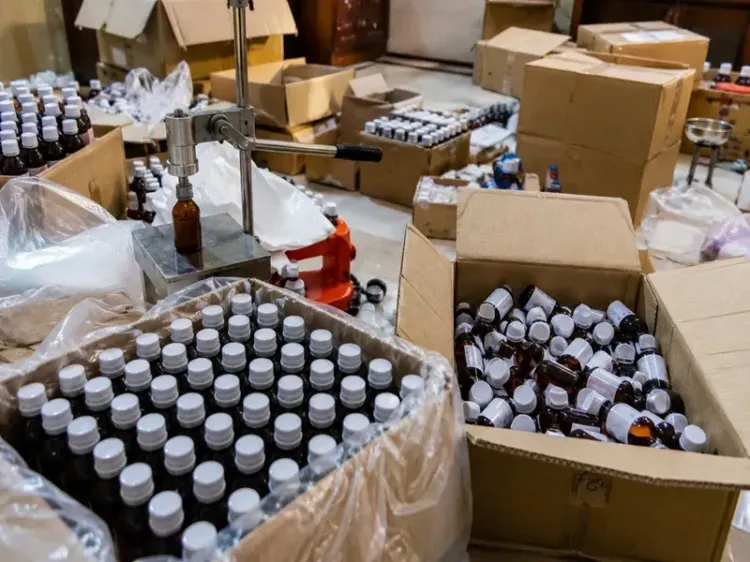
Synopsis
India has quietly closed a decades-old regulatory loophole: cough syrups can no longer be sold in small villages without a licensed pharmacy. The Schedule K amendment arrives as India faces global scrutiny over pharmaceutical syrup standards — and raises a pointed question about rural medicine access.
Key Takeaways
The Ministry of Health and Family Welfare amended the Drugs Rules, 1945 on 16 June , removing 'syrup' from Schedule K .
Previously, cough syrups could be sold in villages with fewer than 1,000 residents without retail licensing compliance.
All cough syrup sales must now go through duly licensed pharmacies under the Drugs and Cosmetics Act, 1940 .
Consumers will require a valid prescription from a registered medical practitioner to purchase cough syrups in areas formerly covered by the exemption.
Manufacturers, distributors, and retailers have been directed to ensure full regulatory compliance immediately.
The Ministry of Health and Family Welfare has amended the Drugs Rules, 1945, revoking an exemption that previously permitted the sale of cough syrups in small villages without full retail licensing compliance, according to an official statement issued on Tuesday, 16 June. The change, notified through a gazette notification, removes the word 'syrup' from Schedule K of the Drugs Rules — effectively closing a regulatory gap that had existed for decades.
What Changed in Schedule K
Schedule K of the Drugs Rules, 1945 lists categories of drugs that are exempt from certain provisions of the Drugs and Cosmetics Act, 1940. Before this amendment, cough syrups could be sold in villages with a population of fewer than 1,000 without the seller needing to comply with standard retail sale licensing norms. That exemption has now been withdrawn specifically for cough syrups.
Going forward, the sale and dispensing of cough syrups — even in the smallest villages — must take place only through duly licensed pharmacies operating in full compliance with the Drugs and Cosmetics Act, 1940, and the Drugs Rules, 1945.
Why the Government Acted
The Health Ministry stated that the amendment is intended to strengthen regulatory oversight of syrup formulations and bring the exemption framework in line with current public health and safety requirements. The ministry added that the measure is expected to promote responsible distribution and curb unregulated access to cough syrups across the country.
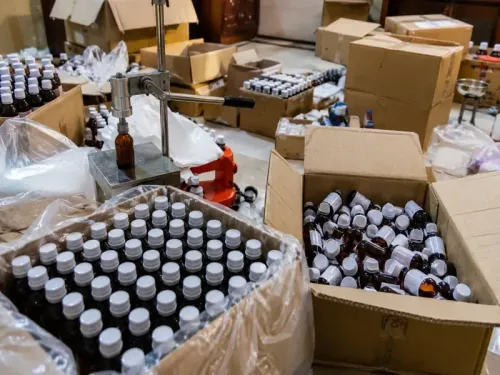
This comes amid heightened global and domestic scrutiny of cough syrup safety. India has faced international attention in recent years over the quality and regulatory oversight of pharmaceutical syrups exported abroad, making domestic tightening of standards a particularly significant policy signal.
Impact on Consumers and Trade
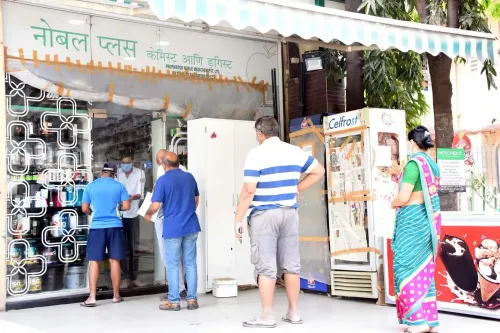
For consumers, the practical consequence is that purchasing cough syrups will now require a valid prescription from a registered medical practitioner in areas previously covered by the Schedule K exemption. Residents of small rural villages, who could earlier obtain such medications from unlicensed general stores or informal sellers, will need to access a licensed pharmacy.
The ministry has advised manufacturers, distributors, and retailers dealing in cough syrups to ensure strict adherence to all applicable licensing and regulatory requirements under the Drugs and Cosmetics Act and the Drugs Rules without delay.
Broader Regulatory Context
The amendment reflects a broader push by the Centre to tighten pharmaceutical supply chains at the last mile. Notably, Schedule K exemptions were originally designed to improve medicine access in remote, underserved areas — a goal that regulators now appear to be balancing against the risks of unmonitored drug dispensing. Critics may argue that removing the exemption without simultaneously expanding licensed pharmacy infrastructure in rural areas could reduce access for the most vulnerable populations.
How quickly licensed pharmacies can fill the distribution gap in sub-1,000-population villages will be a key measure of whether this policy achieves its stated public health objectives.
Point of View
000-population villages. Without that, the policy risks trading one problem (unregulated sales) for another (no access at all). India's rural pharmacy density remains deeply uneven, and the communities most affected by this change are the least equipped to absorb it. The real test of this amendment is not the gazette notification — it is whether a licensed pharmacist reaches the village before the unlicensed seller disappears.
NationPress
26 Sept 2026
Frequently Asked Questions
What is the Drugs Rules 1945 Schedule K amendment on cough syrups?
The amendment removes the word 'syrup' from Schedule K of the Drugs Rules, 1945, ending an exemption that allowed cough syrups to be sold in villages with fewer than 1,000 residents without retail licensing compliance. All cough syrup sales must now go through licensed pharmacies under the Drugs and Cosmetics Act, 1940.
Why has the government removed the cough syrup exemption from Schedule K?
The Health Ministry stated the change is aimed at strengthening regulatory oversight of syrup formulations and aligning the exemption framework with current public health and safety standards. It is also expected to promote responsible distribution and greater compliance across the pharmaceutical supply chain.
Do consumers now need a prescription to buy cough syrup?
Yes. Following the amendment, consumers in areas previously covered by the Schedule K exemption will need a valid prescription from a registered medical practitioner to purchase cough syrups from a licensed pharmacy.
Who is affected by this change?
The amendment primarily affects residents of villages with populations below 1,000, where cough syrups could previously be sold without licensed pharmacy oversight. Manufacturers, distributors, and retailers are also required to ensure full compliance with licensing norms under the Drugs and Cosmetics Act immediately.
How does this relate to India's broader pharmaceutical regulation?
The move is part of a wider regulatory tightening of India's pharmaceutical supply chain, particularly for syrup formulations. India has faced international scrutiny in recent years over the quality and oversight of medicinal syrups, making this domestic amendment a significant step in aligning local standards with global safety expectations.