Centre pushes LPG-to-PNG switch, asks states for district-level support
Synopsis
With the Strait of Hormuz crisis exposing India's LPG import vulnerability, the Centre is now pushing states to put district-level officers on the ground to force the LPG-to-PNG switch — and to stop households from holding both connections at once. Over 10.86 lakh PNG connections were added during the supply crunch; the question is whether state machinery will move fast enough to lock in the gains.
Key Takeaways
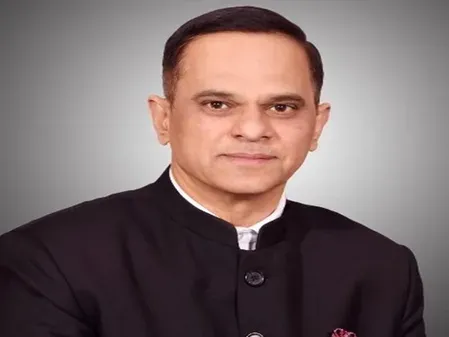
Petroleum Secretary Neeraj Mittal wrote to Chief Secretaries of all states on 23 August , seeking district-level support for the LPG-to-PNG transition.
A regulatory framework will prevent households from retaining both LPG and PNG connections in areas where piped gas is available.
The Strait of Hormuz — route for 50% of India's LPG imports — was disrupted during the West Asia crisis, triggering the policy push.
7.99 lakh PNG connections were gasified during the crisis; infrastructure for 2.87 lakh more was created, totalling 10.86 lakh connections.
A PNG Coordination Committee (PCC) is to be set up in every geographical area by CGD entities and oil marketing companies.
States must nominate a nodal officer, not below the rank of district supply officer , to work with each local PCC.
The Centre has formally asked states and Union Territories to deploy district-level administrative machinery to accelerate the transition from LPG to piped natural gas (PNG) in household kitchens, citing PNG's safety advantages and the need to ease the logistics burden on oil companies. The directive, issued on 23 August, comes as India looks to deepen its energy transition amid ongoing supply chain vulnerabilities tied to LPG imports.
What the Centre Has Directed
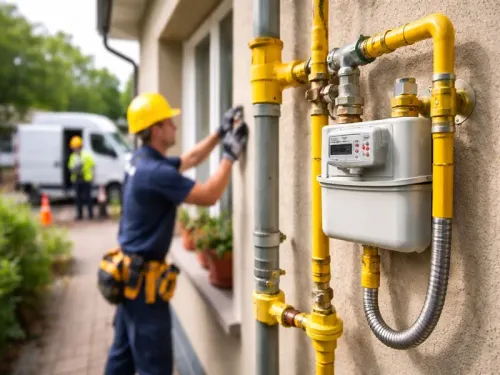
Petroleum Secretary Neeraj Mittal wrote to the Chief Secretaries of all states, calling for district-level intervention to implement a regulatory framework that prevents households from holding both LPG and PNG connections in areas where piped gas is already available. The letter underlines that PNG is 'a safer, cleaner and more efficient cooking fuel' that advances the country's energy transition goals and improves utilisation of city gas distribution infrastructure built through 'substantial public and private investment.'
The Ministry of Petroleum and Natural Gas has separately directed authorised city gas distribution (CGD) entities and public-sector oil marketing companies to establish a PNG Coordination Committee (PCC) in every geographical area. These committees will identify eligible housing societies and households, issue statutory notices to resident welfare associations, and conduct outreach camps to accelerate new connections.
Why the Push Is Happening Now
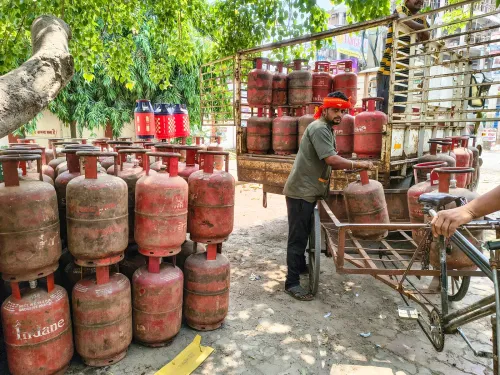
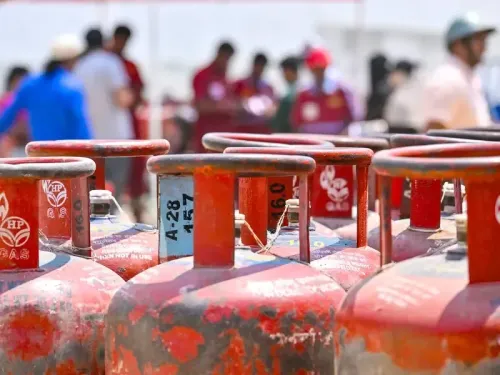
The urgency is rooted in supply-chain disruption. The Strait of Hormuz — through which 50 per cent of India's LPG imports transit — was choked during the West Asia crisis, triggering a significant breakdown in LPG supply logistics. In response, the government notified the Liquefied Petroleum Gas (Regulation of Supply and Distribution) Amendment Order, 2026, offering additional relaxations and convenience measures to domestic LPG consumers willing to shift to PNG. During the crisis period, 7.99 lakh PNG connections were gasified and infrastructure was created for an additional 2.87 lakh connections, bringing the total to 10.86 lakh connections.
Notably, the PCC mechanism is already operational in several areas, but the ministry has acknowledged that district-level administrative backing is critical to meeting transition timelines — something the existing framework has not fully delivered on its own.
Role of District Administration
State governments have been asked to nominate one nodal officer at the district level, ranked no lower than district supply officer, to be formally associated with the local PCC. The district administration is expected to help secure right of way or right of use from resident welfare associations and housing societies, facilitate coordination between LPG distributors and CGD entities, support consumer outreach and verification, and resolve grievances.
Where access to non-public areas is refused, designated officers may be empowered to exercise powers under the relevant control orders. The ministry has specifically identified officials of the Department of Food and Civil Supplies as best suited for this role, given their existing regulatory interface with LPG distributors and their field-level reach.
What Happens Next
The Centre has urged states to treat the matter as a priority, in line with the government's stated commitment to expanding PNG adoption in a time-bound manner. Industry observers note that the dual-connection issue — households maintaining LPG as a backup even after PNG installation — has been a persistent bottleneck slowing CGD infrastructure utilisation. With the West Asia supply shock still fresh, the political and economic case for faster PNG adoption has rarely been stronger.
Point of View
But converting infrastructure creation into sustained PNG adoption will require more than administrative notices — it will need visible supply reliability and a credible grievance redressal track record at the local level.
NationPress
8 Oct 2026
Frequently Asked Questions
Why is the Centre pushing households to switch from LPG to PNG?
The Centre is accelerating the LPG-to-PNG transition because PNG is considered safer, cleaner, and more efficient, and because the West Asia crisis choked the Strait of Hormuz — through which 50% of India's LPG imports transit — exposing a critical supply chain vulnerability. Faster PNG adoption also improves utilisation of city gas distribution infrastructure built through significant public and private investment.
What is the PNG Coordination Committee (PCC)?
The PNG Coordination Committee is a body to be established in every geographical area by authorised city gas distribution entities and oil marketing companies. It will identify eligible households, issue statutory notices to housing societies and resident welfare associations, and run outreach camps to accelerate new PNG connections.
What role will district-level officers play in the PNG transition?
State governments have been asked to nominate a nodal officer, not below the rank of district supply officer, to work with each local PCC. These officers will help secure right of way from housing societies, coordinate between LPG distributors and CGD entities, support consumer outreach, resolve grievances, and monitor PNG adoption in notified areas.
How many PNG connections were added during the West Asia crisis?
During the West Asia crisis, 7.99 lakh PNG connections were gasified and infrastructure was created for an additional 2.87 lakh connections, bringing the total to 10.86 lakh connections. The crisis accelerated the government's push to reduce dependence on imported LPG.
Can households keep both LPG and PNG connections?
Under the regulatory framework being implemented, households in areas where PNG is available will not be permitted to retain both LPG and PNG connections simultaneously. The Liquefied Petroleum Gas (Regulation of Supply and Distribution) Amendment Order, 2026, has been notified to provide relaxations to consumers who make the switch to PNG.