Assam CM Sarma highlights Bogibeel Bridge's strategic role
Synopsis
Assam Chief Minister Himanta Biswa Sarma says Bogibeel Bridge connects communities across the Brahmaputra and helps forces reach the frontier faster. He credited Prime Minister Narendra Modi with completing a project whose foundation was laid in 1997.
Key Takeaways
Himanta Biswa Sarma said he recently visited Bogibeel Bridge in Assam.
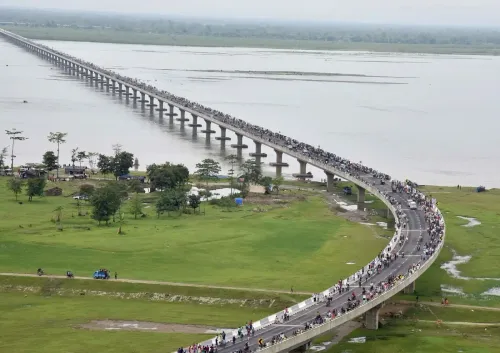
The rail-cum-road bridge links Dibrugarh and Dhemaji districts across the Brahmaputra.
Sarma said the crossing helps forces reach the frontier faster and credited Narendra Modi with seeing the project through.
The foundation stone was laid in 1997 under the H.
Deve Gowda government.
Modi inaugurated the completed bridge on 25 December 2018.
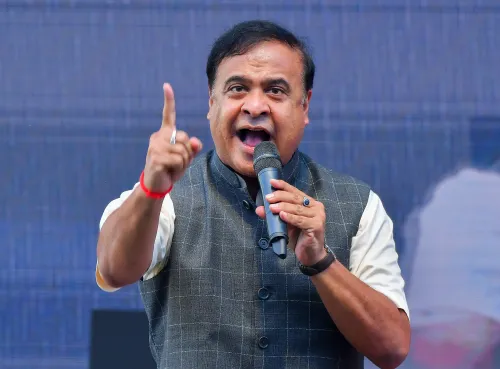
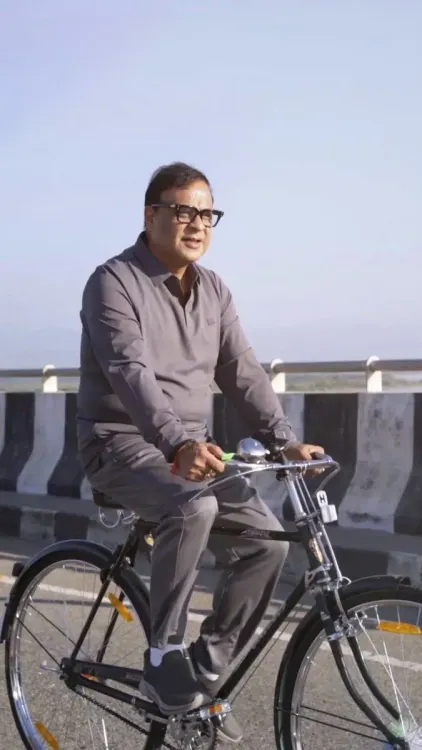
Assam Chief Minister Himanta Biswa Sarma has highlighted Bogibeel Bridge as both a lifeline across the Brahmaputra and a route for faster military access to the frontier. In a post on 23 November 2026, he said he had recently visited the crossing in Assam and credited Prime Minister Narendra Modi with seeing the long-awaited project through.
Bogibeel's civilian and frontier links
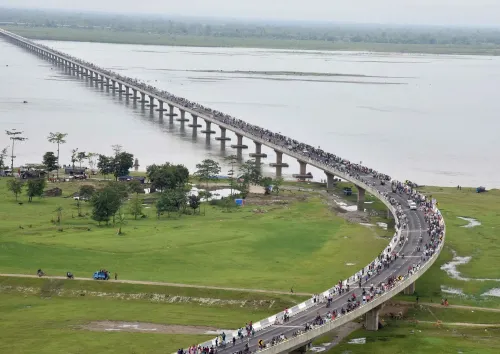
The rail-cum-road bridge connects Dibrugarh and Dhemaji districts on opposite sides of the river. Sarma said it 'connects communities across the Brahmaputra and helps our forces reach the frontier faster'.
He also described the crossing as strategically valuable 'in uncertain times' and said the China border was less than 180 km away as the crow flies. That distance is his claim; the supplied information does not independently verify it, and a straight-line measure is not the same as a road journey.
From a 1997 foundation to a 2018 opening
The project received its initial sanction in the 1990s, and its foundation stone was laid in 1997 under the government of H. D. Deve Gowda. Modi inaugurated the completed bridge on 25 December 2018.
Its history spans successive central governments, while its road and rail links serve more than one purpose: connecting residents across a major river and supporting movement towards frontier areas.
Assam's wider river-crossing challenge
Bogibeel is part of a longer-running effort to improve connectivity in the Northeast, where crossings over the Brahmaputra can help close gaps between communities and transport networks. Such infrastructure also has a strategic dimension for access towards the Line of Actual Control with China.
The next test is broader than one bridge: how other pending crossings and rail links strengthen both civilian journeys and access to the frontier.
Point of View
From sanction and foundation to completion. Its road and rail functions connect the everyday needs of Assam's residents with the strategic demands of reaching frontier areas.
NationPress
23 Nov 2026
Frequently Asked Questions
Where is Bogibeel Bridge located?
Bogibeel Bridge crosses the Brahmaputra in Assam, linking Dibrugarh and Dhemaji districts.
What did Himanta Biswa Sarma say about Bogibeel Bridge?
He said the bridge connects communities across the Brahmaputra and helps forces reach the frontier faster. He also credited Prime Minister Narendra Modi with seeing the project through.
When was Bogibeel Bridge inaugurated?
Prime Minister Narendra Modi inaugurated the completed bridge on 25 December 2018.
When was the foundation stone of Bogibeel Bridge laid?
The foundation stone was laid in 1997 under the H. D. Deve Gowda government.
Is Bogibeel Bridge a road and railway bridge?
Yes. Bogibeel is a rail-cum-road bridge across the Brahmaputra.