Antyodaya push: How Centre's ₹24,104 crore plan uplifts India's poorest
Synopsis
India's two flagship bottom-of-pyramid programmes — PM JANMAN and PM-AJAY — are quietly rewriting welfare delivery at scale: 7.8 lakh pucca houses built for tribal families, 4 crore SC citizens covered, and 1.56 lakh students in Eklavya schools. The Antyodaya model's real test is whether last-mile execution in the most isolated habitations matches the headline numbers.
Key Takeaways
The Centre's PM JANMAN programme carries a ₹24,104 crore outlay and targets 75 PVTG communities across 18 states and 1 UT , launched in November 2023 .
7.8 lakh pucca houses completed in tribal villages; 28,303 villages given clean drinking water; 5,89,812 tribal households electrified.
As of 2026 , 1.56 lakh students are enrolled in 499 Eklavya Model Residential Schools , with 323 more under construction.
PM-AJAY (launched 2021 ) covers 47,334 SC-majority villages across 597 districts in 26 states , reaching over 4 crore SC citizens.
More than 25,000 villages have completed infrastructure gap assessments under PM-AJAY.
The Centre's Antyodaya development philosophy has brought India's most marginalised communities — from Particularly Vulnerable Tribal Groups (PVTGs) to Scheduled Caste-majority villages — into the mainstream of welfare delivery, according to an official factsheet released on Friday, 12 June 2025. The document outlines how coordinated multi-ministry programmes are closing decades-old gaps in housing, water, electricity, and education in the country's remotest habitations.
PM JANMAN: Reaching India's Most Isolated Tribal Communities
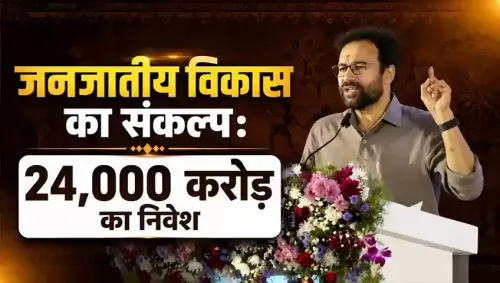
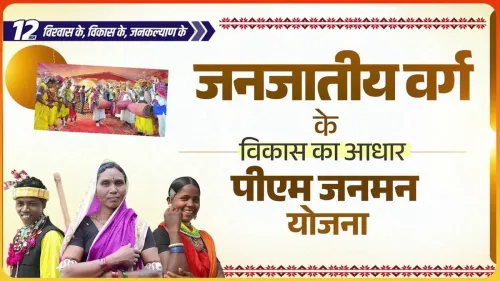
The flagship vehicle for tribal outreach is the Pradhan Mantri Janjati Adivasi Nyaya Maha Abhiyan (PM JANMAN), launched in November 2023 with an outlay of ₹24,104 crore. The programme targets 75 PVTG communities spread across 18 states and 1 Union Territory, many of whom historically lived without pucca housing, piped water, electricity, or road access.
Delivery is structured through 11 interventions implemented by 9 ministries, covering housing, road connectivity, piped water supply, mobile medical units, Anganwadi Centres, hostels, electrification, mobile towers, multipurpose centres, Van Dhan Vikas Kendras, and vocational skilling — a convergence model designed to prevent siloed spending.
Key Numbers on the Ground
According to the factsheet, 7.8 lakh pucca houses have been completed in tribal villages under the programme. Over 28,303 villages now have access to clean drinking water, and 5,89,812 tribal households have received electricity connections. The figures represent a significant material shift for communities that remained outside basic infrastructure grids for generations.
Notably, the programme has also expanded sanitation worker recognition and safety support, and brought nomadic and backward communities into targeted welfare planning for the first time at this scale.
Eklavya Schools and the Tribal Education Push
In tribal education, the expansion of Eklavya Model Residential Schools (EMRS) over the past 12 years has reshaped access for Scheduled Tribe students in remote districts. The network accelerated sharply after 2018. As of 2026, over 1.56 lakh students are enrolled across 499 operational schools, with another 323 schools under construction — bringing quality residential schooling closer to communities that remained underserved for generations.
PM-AJAY: Integrated Development for SC Villages
For Scheduled Caste communities, the PM-AJAY scheme — launched in 2021 — focuses on integrated development of SC-majority villages through infrastructure creation, skill development, and livelihood support. Its Adarsh Gram component takes an area-based approach, covering 47,334 villages across 597 districts in 26 states, reaching more than 4 crore Scheduled Caste citizens and over 83 lakh households.
More than 25,000 villages have completed infrastructure assessment exercises under PM-AJAY, enabling systematic identification of gaps in roads, water supply, education, sanitation, and connectivity. Youth participation through skill development and self-help group (SHG) linkages has been integrated into the programme's long-term economic inclusion goals, the factsheet noted.
What Comes Next
With the 323 additional Eklavya schools under construction and village-level planning frameworks now in place across hundreds of districts, the government's stated intent is to deepen last-mile delivery rather than expand the programme footprint. Whether execution keeps pace with the scale of ambition — particularly in the most geographically isolated PVTG habitations — will be the measure of the Antyodaya model's durability.
Point of View
But the harder question is verification. Official factsheets self-report completion figures without independent audit trails — a gap that has historically allowed scheme outcomes to diverge from ground reality in tribal and SC habitations. The convergence model across 9 ministries is structurally sound, but inter-ministry coordination in India's bureaucratic architecture is notoriously difficult to sustain beyond the launch phase. With 323 Eklavya schools still under construction and the most geographically isolated PVTGs yet to be fully covered, the Antyodaya narrative will be tested not by what has been announced, but by what is verifiable on the ground by 2027.
NationPress
20 Sept 2026
Frequently Asked Questions
What is PM JANMAN and who does it target?
PM JANMAN (Pradhan Mantri Janjati Adivasi Nyaya Maha Abhiyan) is a ₹24,104 crore government programme launched in November 2023 to develop Particularly Vulnerable Tribal Groups (PVTGs). It targets 75 PVTG communities across 18 states and 1 Union Territory through 11 interventions implemented by 9 ministries.
How many tribal households have benefited from PM JANMAN so far?
According to an official factsheet, 7.8 lakh pucca houses have been completed in tribal villages, over 28,303 villages have received clean drinking water access, and 5,89,812 tribal households have been provided electricity connections under the programme.
What is the current status of Eklavya Model Residential Schools?
As of 2026, 499 Eklavya Model Residential Schools are operational with over 1.56 lakh students enrolled, and another 323 schools are under construction. The network expanded significantly after 2018, bringing residential schooling to Scheduled Tribe communities in remote districts.
What is PM-AJAY and how many people does it cover?
PM-AJAY is a scheme launched in 2021 for integrated development of Scheduled Caste-majority villages, covering 47,334 villages across 597 districts in 26 states. It reaches more than 4 crore Scheduled Caste citizens and over 83 lakh households through infrastructure, skill development, and livelihood support.
What is the Antyodaya development philosophy?
Antyodaya — meaning 'rise of the last person' — is the guiding principle behind the Centre's targeted welfare programmes for India's most marginalised communities. It prioritises PVTGs, Scheduled Castes, nomadic communities, and residents of aspirational districts, placing them at the centre of development planning rather than treating them as residual beneficiaries.