Are Cheap Chinese Imports Endangering Indonesia's MSMEs?
Synopsis
As cheap Chinese imports surge into Indonesia, local MSMEs face dire threats. This influx raises alarm about the nation's industrial future and economic independence. Can Indonesia's cultural and manufacturing sectors withstand this challenge?
Key Takeaways
Cheap Chinese imports are threatening Indonesia's MSMEs.
Over one-third of Indonesia's imports come from China .
Many MSMEs are shifting from manufacturing to reselling imported goods.
Strict regulations for local producers increase their operating costs.
The textile sector is facing significant challenges due to this influx.
New Delhi, Jan 26 (NationPress) Indonesia’s micro, small and medium enterprises are increasingly facing challenges as inexpensive imports from China inundate local markets, raising alarm about the nation's industrial sustainability and economic autonomy, according to a recent report.
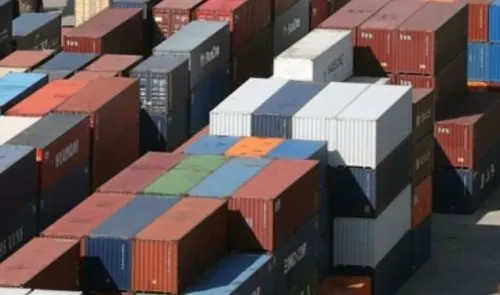
Recent trade statistics indicate that China constitutes over one-third of Indonesia’s total imports, revealing a troubling trade imbalance.
In January 2025 alone, imports from China reached approximately $6.37 billion, accounting for around 35.5 percent of Indonesia’s total imports, as reported by the Financial Post.
From traditional marketplaces in Surabaya to e-commerce platforms in Jakarta, numerous MSMEs are ceasing production and opting to sell Chinese-manufactured products instead.
These businesses employ nearly 90 to 95 percent of Indonesia’s workforce, and their withdrawal from manufacturing is viewed as a troubling signal for the overall economy.
Indonesia’s Minister for MSMEs, Maman Abdurrahman, has publicly warned that an increasing number of entrepreneurs are halting local production due to their inability to compete with the low prices of Chinese imports.
Consequently, many are opting to survive by importing completed goods, a trend that is undermining Indonesia’s domestic supply chains.
China’s manufacturing edge is underpinned by decades of state-led industrial strategy, expansive factories, and closely-knit supply chains.
This enables Chinese manufacturers to produce goods at a faster and cheaper rate than most Indonesian firms, particularly small enterprises that grapple with outdated equipment and restricted financial access.
The situation is exacerbated by weak enforcement of trade regulations. Numerous imported goods from China allegedly enter Indonesia without appropriate labeling, certifications, or adherence to halal and quality standards.
In contrast, local producers must comply with stringent regulations that elevate costs and delay production.
In certain instances, Chinese textiles and garments are reportedly smuggled into the country and subsequently rebranded as locally made.
While Indonesia has attempted to impose anti-dumping duties on specific products, enforcement has been inconsistent.
Simultaneously, China has implemented anti-dumping measures on Indonesian steel exports, reinforcing feelings of unequal treatment in trade practices.
The textile sector, once a cornerstone of Indonesia’s manufacturing landscape, is feeling the brunt of this impact.
Factories are shutting down, jobs are disappearing, and traditional industries like batik and handloom weaving are struggling against mass-produced fabrics from China.
Beyond economic setbacks, there are escalating fears that Indonesia’s cultural industries could be overshadowed by these cheaper imports.
Point of View
It is evident that the rise of cheap Chinese imports is a critical issue that warrants attention. While globalization has its benefits, the current trade imbalance poses significant risks to Indonesia's MSMEs and overall economic health. It is vital for policymakers to address these challenges to safeguard local industries and promote sustainable growth.
NationPress
24 Sept 2026
Frequently Asked Questions
What impact do Chinese imports have on Indonesia's MSMEs?
Chinese imports are causing many MSMEs in Indonesia to cease production due to the inability to compete with lower prices, leading to a worrying trend of reselling imported goods.
How much of Indonesia's imports come from China?
As of January 2025, imports from China accounted for approximately 35.5 percent of Indonesia's total imports.
What measures has Indonesia taken against Chinese imports?
Indonesia has attempted to impose anti-dumping duties on certain products, but enforcement has been inconsistent.
What sectors are most affected by these imports?
The textile sector is particularly impacted, with factories closing and traditional industries struggling to compete.
Are there cultural implications of increased Chinese imports?
Yes, there are growing concerns that Indonesia's cultural industries may be overshadowed by cheaper imports, threatening local traditions.