First Coal Dispatch from Gare Palma Sector–2 Mine Marks Energy Milestone for Chhattisgarh and Maharashtra
Synopsis
The launch of coal dispatch from the Gare Palma Sector–2 mine heralds a new era for India's energy sector, linking Chhattisgarh's vast coal reserves to Maharashtra's power plants, boosting regional employment, and setting the stage for significant economic development.
Key Takeaways
First coal dispatch from Gare Palma Sector–2 mine initiated.
Supports Maharashtra's power generation needs.
Approximately 655 million tonnes of coal reserves available.
Projected revenue of Rs 29,000 crore for Chhattisgarh.
Over 3,400 direct jobs expected to be created.
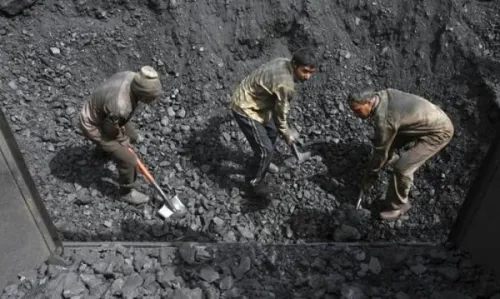
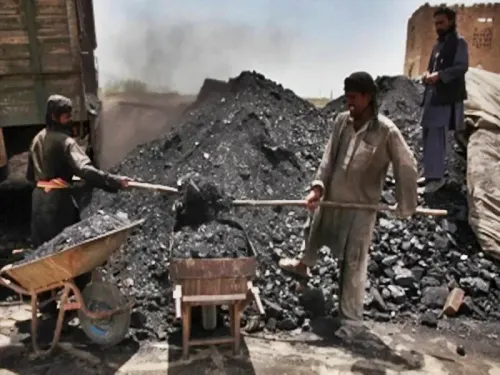
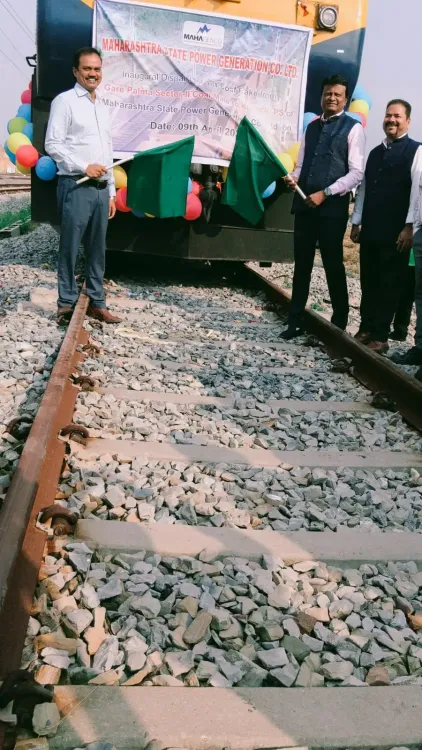
New Delhi, April 9 (NationPress) In a pivotal moment for India's energy landscape, the inaugural coal dispatch from the Gare Palma Sector–2 (GP2) coal mine, located in the Raigarh district of Chhattisgarh, officially commenced on Thursday.
This initiative aims to enhance the fuel supply to Maharashtra's power generation facilities and bolster long-term energy stability.
The coal block is being developed for the Maharashtra State Power Generation Company Limited, the government-owned entity responsible for a significant portion of electricity production in Maharashtra.
With the commencement of coal dispatches, Chhattisgarh's coal will now directly bolster thermal power stations in Maharashtra, ensuring a more reliable and consistent fuel source.
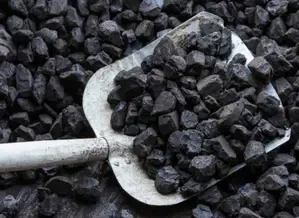
The Gare Palma Sector–2 mine is estimated to contain approximately 655 million tonnes of coal reserves, with a maximum production capacity of 23.6 million tonnes annually.
Once fully operational, the project is projected to generate considerable revenue for Chhattisgarh through royalties, District Mineral Foundation (DMF) contributions, Goods and Services Tax (GST), and other fees.
The total potential direct revenue is estimated to reach nearly Rs 29,000 crore over time. Beyond revenue generation, this initiative is expected to stimulate local economic growth.
It is anticipated to create over 3,400 direct jobs, along with indirect employment opportunities across various sectors including transportation, construction, hospitality, and ancillary services.
This initiative is likely to significantly enhance livelihoods in the area.
The project also emphasizes community enhancement through Corporate Social Responsibility (CSR) programs.
An initial budget of Rs 35 crore has been allocated for initiatives in healthcare, education, sanitation, infrastructure, and skill development.
Furthermore, 2 percent of the project's annual net profit will be dedicated to local development initiatives.
Plans for rehabilitation and resettlement are being executed for 1,679 families across 14 impacted villages.
Environmental measures have been incorporated into the project design, including afforestation, green belt development, pollution control systems, water conservation, and post-mining land restoration to ensure ecological balance.
Point of View
The commencement of coal dispatch from the Gare Palma Sector–2 mine signifies a strategic advancement in India's energy landscape. This development not only reinforces the energy supply chain between Chhattisgarh and Maharashtra but also promises substantial economic benefits, including job creation and local development initiatives.
NationPress
16 Oct 2026
Frequently Asked Questions
What is the significance of the Gare Palma Sector–2 mine?
The Gare Palma Sector–2 mine is crucial for enhancing fuel supply to Maharashtra's power plants, ensuring energy security and economic growth in the region.
How much coal reserve does Gare Palma Sector–2 hold?
The mine is estimated to contain about 655 million tonnes of coal reserves.
What economic impact will the project have?
The project is expected to generate nearly Rs 29,000 crore in direct revenue and create over 3,400 jobs.
What community initiatives are planned?
An initial Rs 35 crore has been allocated for programs in healthcare, education, sanitation, and skill development.
What environmental measures are in place?
The project includes afforestation, pollution control, and restoration initiatives to maintain ecological balance.