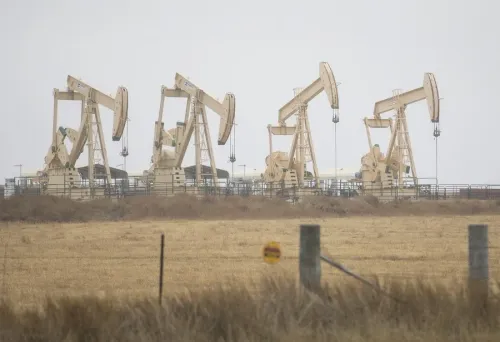
Crude oil above $100 as Red Sea attacks, Hormuz fears spark supply alarm
Synopsis
Iran-backed Houthis have struck Saudi tankers in the Red Sea, pushing Brent crude above $100 and simultaneously threatening the Strait of Hormuz — the two arteries that carry a vast share of the world's seaborne oil. With the US and Iran exchanging strikes and ceasefire hopes gone, markets are pricing in the worst-case supply scenario, and India's import bill is directly in the crossfire.
Key Takeaways
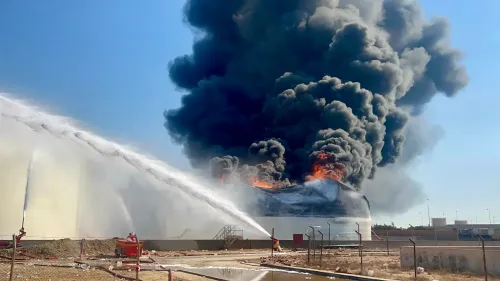
Brent crude held above $100 a barrel on 24 July after Iran-backed Houthis attacked Saudi tankers in the Red Sea .
WTI crude rose 0.69 per cent to $92.83 a barrel ; domestic MCX August futures fell ₹159 to ₹8,865 per barrel .
Both the Red Sea and the Strait of Hormuz — two critical oil transit routes — face simultaneous disruptions.
The US launched fresh air strikes on Iran ; Tehran reportedly fired missiles at Arab countries hosting US bases.
Nikkei fell ~ 3% , Hang Seng over 3% , KOSPI over 5% ; S&P 500 slipped 1.21% , Nasdaq down 2.15% .
Sustained high oil prices risk widening India's current account deficit and pushing retail fuel costs higher.
Global crude oil prices held above the critical $100-per-barrel mark on Friday, 24 July, as Iran-backed Houthi forces attacked Saudi tankers in the Red Sea, compounding existing disruptions in the Strait of Hormuz and stoking fears of prolonged energy supply shortages worldwide.
Where Prices Stood
International benchmark Brent crude rose 0.43 per cent, or 44 cents, holding above the $100-a-barrel level. US West Texas Intermediate (WTI) crude gained 0.69 per cent, or 64 cents, to trade at $92.83 a barrel. On the domestic front, crude oil futures for August delivery on the Multi Commodity Exchange (MCX) were quoted at ₹8,865 per barrel, down ₹159, or 1.76 per cent, at around 10 am IST.
What Triggered the Spike
Market experts attributed the sharp rally directly to the Houthi assault on Saudi tankers in the Red Sea. 'The attack on Saudi tankers by the Iran-backed Houthis in the Red Sea is the main reason for the recent sharp spike in Brent crude to about $100,' analysts said, according to reports. The strikes opened a new front alongside sustained disruptions in the Strait of Hormuz — together, two of the world's most critical oil transit chokepoints, through which a significant share of global seaborne crude passes daily.
Broader Conflict Escalation
The oil rally unfolded against a backdrop of rapidly deteriorating regional security. Approximately two weeks after the effective collapse of an interim truce, the United States launched fresh air strikes on Iran. Tehran reportedly retaliated by firing missiles at neighbouring Arab countries hosting US military bases. The renewed hostilities have extinguished near-term ceasefire hopes and reignited concerns over persistent inflation driven by elevated energy costs. Notably, this is not an isolated spike — oil markets have now logged multiple sharp moves in the past month tied directly to Gulf flashpoints.
Impact on Global Equity Markets
The crude surge weighed heavily on equity benchmarks across Asia and the US. Japan's Nikkei tumbled approximately 3 per cent, Hong Kong's Hang Seng slumped more than 3 per cent, and South Korea's KOSPI plunged over 5 per cent. On Wall Street, the S&P 500 slipped 1.21 per cent and the Nasdaq declined 2.15 per cent overnight, as investors priced in the risk that elevated energy prices could keep inflation elevated for longer than central banks had projected.
What to Watch Next
With both the Red Sea and the Strait of Hormuz under threat simultaneously, energy analysts warn that any further escalation — particularly US or Israeli military action inside Iranian territory — could push Brent toward $110 or beyond. India, as one of the world's largest crude importers, faces compounding pressure on its current account deficit and retail fuel prices if the rally sustains.
Point of View
And that changes the inflation calculus for central banks from Washington to Mumbai. For India, which imports roughly 85 per cent of its crude needs, every $10 rise in Brent adds approximately $15 billion to the annual import bill. The MCX futures dip on Friday suggests domestic traders expect some government intervention — but if Brent holds above $100 into the next pricing cycle, that buffer will not last. The real risk is that this conflict outlasts the market's current risk premium, not that it spikes it further today.
NationPress
22 Oct 2026
Frequently Asked Questions
Why did crude oil prices rise above $100 a barrel?
Crude oil climbed above $100 a barrel after Iran-backed Houthi forces attacked Saudi tankers in the Red Sea, threatening one of the world's busiest oil transit routes. This came alongside existing disruptions in the Strait of Hormuz, amplifying global supply fears.
What is the current price of Brent crude and WTI?
As of 24 July, Brent crude was trading above $100 a barrel after rising 0.43 per cent (44 cents), while US WTI crude gained 0.69 per cent (64 cents) to $92.83 a barrel. Domestic MCX August futures were at ₹8,865 per barrel, down 1.76 per cent.
How are global stock markets reacting to the oil price surge?
Asian markets saw sharp declines, with Japan's Nikkei down around 3 per cent, Hong Kong's Hang Seng falling more than 3 per cent, and South Korea's KOSPI plunging over 5 per cent. On Wall Street, the S&P 500 slipped 1.21 per cent and the Nasdaq fell 2.15 per cent as investors worried about inflation staying elevated.
What is the significance of the Red Sea and Strait of Hormuz for oil supply?
The Red Sea and the Strait of Hormuz are two of the world's most critical oil transit chokepoints, through which a large share of global seaborne crude is transported daily. Simultaneous disruptions to both routes significantly raise the risk of sustained supply shortfalls and price spikes.
How does rising crude oil affect India?
India imports approximately 85 per cent of its crude oil needs, making it highly sensitive to global price moves. A sustained rally above $100 a barrel widens India's current account deficit, pressures the rupee, and risks pushing domestic retail fuel prices higher if the government reduces its subsidy buffer.