Gold, silver, platinum customs duty crosses ₹10,463 crore since May hike

Synopsis
India's doubling of gold and silver import duties in May has generated over ₹10,463 crore in customs revenue in just 81 days — but it has also triggered a smuggling spike, with 161 kg of illicit gold seized and 116 arrests in the first six weeks alone. The numbers put a sharp spotlight on the classic trade-off India faces every time it tries to tax its gold habit.
Key Takeaways
The government collected ₹10,463 crore in customs duty on gold, silver, and platinum imports between 13 May and 2 August .
Gold alone accounted for ₹10,040 crore ; silver contributed ₹328 crore ; platinum added ₹95 crore .
Import duty on gold and silver was raised to 15% from 6% effective 13 May ; platinum duty rose to 15.4% from 6.4% .
The hike was aimed at curbing discretionary imports and preserving foreign exchange amid West Asia conflict and Strait of Hormuz disruptions.
Enforcement agencies seized 161 kg of smuggled gold and arrested 116 persons between 13 May and 30 June .
India is the world's second-largest gold consumer after China, with imports driven primarily by the jewellery sector.
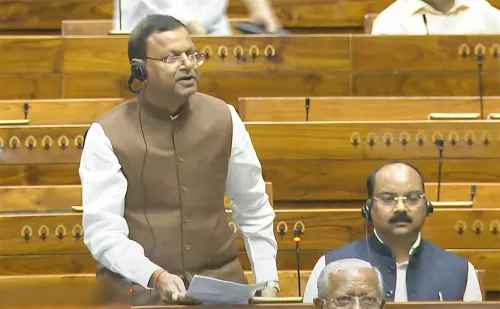
The Indian government collected ₹10,463 crore in customs duty from imports of gold, silver, and platinum between 13 May and 2 August, following a sharp increase in import duties on precious metals, Parliament was informed on Monday, 10 August. The disclosure came via a written reply in the Lok Sabha, underlining the fiscal impact of a policy move originally designed to protect India's foreign exchange reserves.
Breakdown of Collections
Minister of State for Finance Pankaj Chaudhary provided a metal-wise split in his written reply: gold contributed ₹10,040 crore, silver accounted for ₹328 crore, and platinum added ₹95 crore to the total. The combined figure of ₹10,463 crore was collected over a period of roughly 81 days.
What Changed on 13 May
With effect from 13 May, the government raised import duty on gold and silver to 15 per cent from 6 per cent — a more than twofold increase. The duty on platinum was raised to 15.4 per cent from 6.4 per cent. Consequential adjustments were also made to duties on related items including gold and silver dore, coins, and findings.
Why the Government Acted
According to Minister Chaudhary, the primary rationale was to curb discretionary imports and redirect foreign exchange toward essential commodities — including crude oil, fertilisers, industrial raw materials, and capital goods. The duty hike came against the backdrop of rising global uncertainties, including the conflict in West Asia and the effective blockade of the Strait of Hormuz, which had pushed up prices of crude oil as well as food and fertiliser imports. This is a recurring policy lever: India has previously adjusted gold import duties during periods of current account stress, most notably in 2013.
Smuggling Surge and Enforcement Response
The steep duty increase has also had a predictable side effect. Enforcement agencies seized 161 kg of smuggled gold and arrested 116 persons between 13 May and 30 June alone, according to the minister's statement. Historically, sharp duty hikes on gold in India have been followed by a rise in illicit trade, given the metal's high value-to-weight ratio and deep cultural demand.
India's Gold Import Dependency
India is the world's second-largest consumer of gold after China, with imports largely driven by the jewellery sector. Gold imports represent a significant and persistent outflow of foreign exchange, making them a closely watched variable in India's balance-of-payments management. The duty hike is part of a broader effort to compress the current account deficit at a time of elevated global commodity prices. Whether the measure durably suppresses demand or merely redirects it through informal channels remains a key question for policymakers going forward.
Point of View
463 crore revenue figure is impressive on paper, but it arrives with an asterisk: 161 kg of smuggled gold seized in just the first six weeks signals that a significant portion of demand has not disappeared — it has gone underground. India has run this playbook before, most sharply in 2013, and the pattern is consistent: high duties compress official imports, widen the grey market, and create pressure to eventually roll back the hike. The more important metric — whether the current account deficit actually narrowed — has not been disclosed. Until that data is on the table, the duty hike's net benefit remains an open question.
NationPress
10 Aug 2026
Frequently Asked Questions
How much customs duty has India collected on gold, silver, and platinum since the duty hike?
India collected ₹10,463 crore in customs duty on gold, silver, and platinum imports between 13 May and 2 August , following the increase in import duties. Gold contributed the largest share at ₹10,040 crore.
What are the new import duty rates on gold, silver, and platinum?
Effective 13 May , import duty on gold and silver was raised to 15 per cent from 6 per cent , and duty on platinum was increased to 15.4 per cent from 6.4 per cent . Duties on related items such as dore, coins, and findings were also revised.
Why did the government raise import duties on precious metals?
The government raised duties to curb discretionary imports and prioritise foreign exchange for essential commodities like crude oil, fertilisers, and capital goods. The move was also prompted by global uncertainties including the West Asia conflict and the effective blockade of the Strait of Hormuz .
Has the duty hike led to a rise in gold smuggling?
Yes. Enforcement agencies seized 161 kg of smuggled gold and arrested 116 persons between 13 May and 30 June , according to Minister of State for Finance Pankaj Chaudhary . Sharp duty hikes have historically been associated with increased illicit gold trade in India.
Why does India's gold import policy matter for the economy?
India is the world's second-largest consumer of gold after China, and gold imports represent a significant drain on foreign exchange reserves. Policymakers closely monitor gold imports from a balance-of-payments perspective, particularly when the current account deficit widens.