Centre caps duty-free gold imports at 100 kg per licence to plug forex drain

Synopsis
India has moved on two fronts to stem gold-driven forex outflows: capping duty-free imports under the advance-authorisation scheme at 100 kg per licence with mandatory factory inspections, while nearly tripling customs duty on gold and silver to 15 per cent. With PM Modi already urging citizens to cut non-essential gold purchases, this is the most aggressive multi-layered intervention on gold imports in recent memory.
Key Takeaways
The Centre has capped duty-free gold imports under the advance-authorisation scheme at 100 kg per licence .
First-time applicants must now undergo mandatory physical inspection of manufacturing units by DGFT officials before authorisation is granted.
Firms must fulfil at least 50 per cent of export obligations under prior licences before applying for fresh gold import permissions.
Importers under the AA scheme must submit fortnightly performance reports ; DGFT regional offices will send monthly updates to headquarters.
Customs duty on gold and silver was raised to 15 per cent (from 6 per cent); platinum duty raised to 15.4 per cent (from 6.4 per cent).
PM Modi had earlier this month urged citizens to avoid non-essential gold purchases for a year to conserve foreign exchange reserves .
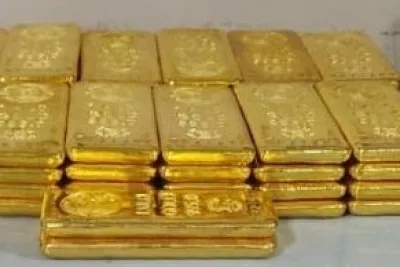
The Centre has capped duty-free gold imports under the advance-authorisation (AA) scheme at a maximum of 100 kg per licence, tightening controls on a channel that officials say has been exploited to divert imported gold into the domestic market rather than for its intended purpose of export-oriented jewellery manufacturing. The move, notified by the Directorate General of Foreign Trade (DGFT), comes amid mounting concern over India's swelling import bill and the pressure it is placing on foreign exchange reserves.
Key Changes Under the Revised Norms
First-time applicants seeking gold import authorisation will now face mandatory physical inspection of their manufacturing facilities by DGFT officials before any licence is granted. This is a significant departure from the earlier, largely document-based verification process.
The government has also introduced an export-performance linkage: firms must fulfil at least 50 per cent of export obligations under earlier licences before they become eligible to apply for fresh authorisations. This effectively closes a loophole that allowed companies to accumulate import permissions without demonstrating commensurate export activity.
Stricter Monitoring and Reporting
Exporters importing gold under the AA scheme must now submit fortnightly performance reports to the DGFT. Regional offices have been directed to relay monthly consolidated updates to headquarters, creating a centralised oversight trail for gold import and export transactions. This is the most granular reporting requirement imposed on the scheme to date.
Customs Duty on Gold and Silver Raised to 15 Per Cent
Separately, the government on Wednesday sharply raised customs duties on gold and silver imports to 15 per cent from the earlier 6 per cent — a near-tripling of the levy. Platinum import duty was revised upward to 15.4 per cent from 6.4 per cent.
The revised structure comprises a 10 per cent basic customs duty and a 5 per cent Agriculture Infrastructure and Development Cess (AIDC). Policymakers framed the hike as a necessary step to contain foreign exchange outflows at a time when rising oil prices — linked to the West Asia conflict — are already straining India's external account.
The Broader Policy Context
The duty revision follows Prime Minister Narendra Modi's appeal earlier this month urging citizens to avoid non-essential gold purchases for a year and embrace austerity to conserve foreign exchange reserves amid global uncertainty tied to the West Asia crisis. The AA-scheme cap and the duty hike together represent a two-pronged approach: restricting the commercial import channel while also dampening retail demand through higher prices.
India is among the world's largest gold consumers, with demand driven by jewellery, investment, and festival purchases. The combined measures are expected to have wide-ranging implications for consumers, jewellers, and bullion traders. Industry bodies are likely to flag concerns about input-cost pressures on the gems and jewellery export sector, which relies heavily on the duty-free import window to remain price-competitive in global markets.
How effectively DGFT's regional offices enforce the new inspection and reporting requirements will determine whether the reforms achieve their stated goal of plugging diversion — or merely add compliance burden without closing the arbitrage gap.
Point of View
Then divert it domestically where margins are higher. But the real test is enforcement — DGFT's regional offices have historically lacked the manpower for granular on-site scrutiny. Meanwhile, the near-tripling of customs duty to 15 per cent risks pushing demand toward informal channels, a pattern India has seen before: the 2013 duty hike to 10 per cent coincided with a surge in gold smuggling. Policymakers appear to be betting that tighter AA-scheme controls will offset that risk, but the two instruments could work at cross-purposes if enforcement of the former lags.
NationPress
23 Sept 2026
Frequently Asked Questions
What is the new limit on duty-free gold imports under the advance-authorisation scheme?
The Centre has capped duty-free gold imports under the advance-authorisation (AA) scheme at a maximum of 100 kg per licence. The limit is intended to prevent large-scale diversion of duty-free imported gold into the domestic market instead of its mandated use in export-oriented jewellery manufacturing.
What is the new customs duty on gold imports in India?
Customs duty on gold and silver imports has been raised to 15 per cent from the earlier 6 per cent, comprising a 10 per cent basic customs duty and a 5 per cent Agriculture Infrastructure and Development Cess (AIDC). Platinum duty was simultaneously raised to 15.4 per cent from 6.4 per cent.
Why has the government tightened gold import rules?
The measures are aimed at curbing diversion of duty-free gold into the domestic market and reducing pressure on India's foreign exchange reserves, which are being strained by a high import bill and rising oil prices linked to the West Asia conflict. PM Modi had also separately appealed to citizens to avoid non-essential gold purchases for a year.
What new compliance requirements apply to exporters importing gold?
Exporters under the AA scheme must now submit fortnightly performance reports to the DGFT. First-time applicants face mandatory physical inspection of their manufacturing units before authorisation is granted, and firms must have fulfilled at least 50 per cent of export obligations under prior licences to be eligible for fresh permissions.
How will the gold duty hike affect consumers and the jewellery industry?
Higher import duties are expected to push up domestic gold prices, raising costs for consumers, jewellers, and bullion traders. The gems and jewellery export sector, which depends on the duty-free import window to stay price-competitive globally, is likely to face input-cost pressures under the tighter AA-scheme norms.