Modi's gold restraint call: protecting India's reserves, not a sign of stress
Synopsis
PM Modi's appeal to Indians to delay gold purchases is less a distress signal and more a quiet macroeconomic nudge. With India's forex reserves at $701.4 billion but global volatility mounting, the government is reaching for its softest lever — voluntary household restraint — before it is forced to use harder ones. The 1991 gold airlift looms large as a cautionary reference point.
Key Takeaways
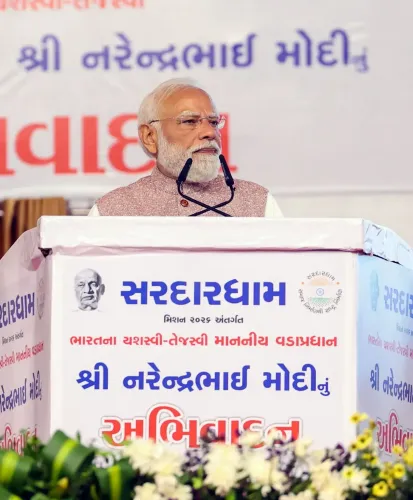
PM Narendra Modi has urged Indians to temporarily refrain from buying gold to ease pressure on India's foreign exchange reserves .
The RBI reportedly holds 880–890 tonnes of gold, valued at over $58 billion , constituting 7–8 per cent of total forex reserves as of early 2026 .
India's total foreign exchange reserves stood at $701.4 billion as of 16 January 2026 , up from $668 billion in March 2025 , per the Economic Survey 2025-26 .
In 1991 , India airlifted 47,000 kg of gold to raise an emergency $405 million loan during a balance-of-payments crisis.
In 2009 , India bought 200 tonnes of gold from the IMF to diversify reserves after the global financial crisis.
Opposition parties have called the appeal a sign of stress; economists broadly frame it as a pre-emptive, low-disruption policy measure.
Prime Minister Narendra Modi's recent appeal urging Indians to hold off on gold purchases for a period has triggered a sharp national debate — one that cuts across economics, culture, and geopolitics. Far from signalling distress, analysts argue the call is a calibrated, low-disruption policy lever aimed at protecting India's foreign exchange reserves during a period of elevated global volatility.
Why Gold Purchases Matter to the Macroeconomy
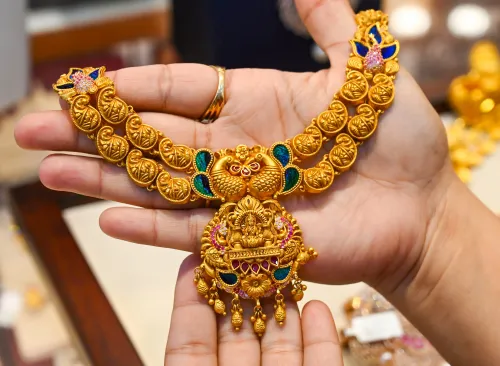
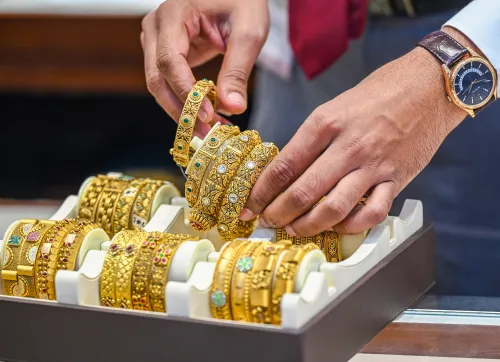
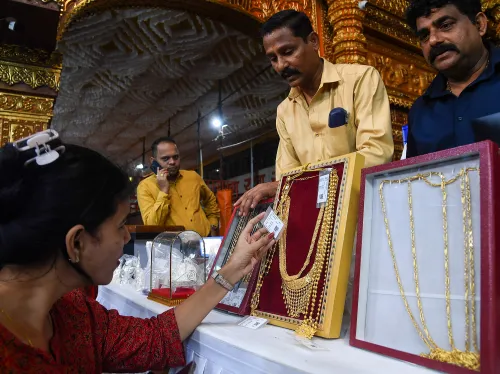
In India, gold occupies a unique dual role: it is simultaneously a financial asset and an integral part of social, cultural, and religious life. But every tonne of gold imported translates into a direct outflow of foreign exchange. By nudging households to delay discretionary purchases, the government can trim that outflow without resorting to tax hikes, import duties, or subsidy cuts — making it, in policy terms, a relatively soft and politically low-cost intervention.
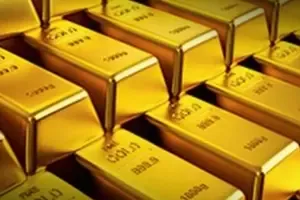
India ranks among the world's top 10 countries by gold reserves. As of early 2026, the Reserve Bank of India (RBI) reportedly holds between 880 and 890 tonnes of gold, valued at over $58 billion, according to reports. Gold currently constitutes approximately 7–8 per cent of India's total foreign exchange reserves.
Lessons from 1991 and 2009
India's relationship with its gold reserves carries the weight of hard historical lessons. In 1991, amid a severe balance-of-payments crisis — marked by high oil prices, weak remittances, and critically low foreign currency holdings — the RBI airlifted approximately 47,000 kg of gold abroad to raise an emergency loan of $405 million. The episode, often described as the 'secret sale of gold,' became a defining symbol of the Indian economy's fragility in that era.
Nearly two decades later, in 2009, gold's share of India's then $285.5 billion in foreign reserves had shrunk to just $10.3 billion. India purchased 200 tonnes of gold from the International Monetary Fund (IMF) — representing almost half of the 403.3 tonnes approved for sale by the IMF's Executive Board in September 2009 — to diversify reserves and restore confidence in the aftermath of the global financial crisis.
The Current Reserve Position and Global Pressures
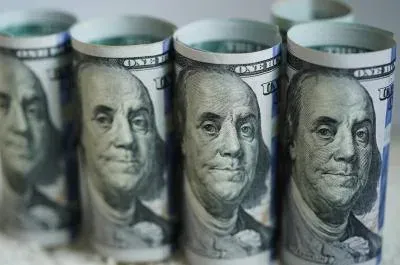
India's external balance sheet today looks considerably stronger. According to the Economic Survey 2025-26, the country's foreign exchange reserves stood at a healthy $701.4 billion as of 16 January 2026, up from $668 billion at the end of March 2025. Yet reserves are not immune to shocks. Ongoing West Asia tensions and surging energy prices have raised the spectre of higher oil import bills, costlier fertiliser imports, capital outflows, and a weaker rupee — all of which can erode reserves rapidly.
Gold's strategic value in such an environment is multifaceted. Unlike dollar or euro holdings, physical gold stored domestically cannot be frozen through sanctions. It serves as a hedge against geopolitical risk, currency volatility, and sovereign default — a universal store of value that central banks can sell, lease, or pledge to raise foreign currency or defend the national currency in a crisis.
The Political Dimension
Opposition parties have characterised the Prime Minister's appeal as an admission of economic stress. However, economists and reserve management experts broadly counter that framing. Encouraging small behavioural shifts in household consumption — particularly in non-essential foreign-exchange-intensive categories such as gold, travel, and high-import goods — is a standard pre-emptive measure. The logic: modest voluntary restraint today can reduce the need for far more disruptive interventions later.
The distance India has travelled from the 1991 gold pledge to a $701 billion reserve pile in 2026 underscores a genuine strengthening of its external position. The appeal, in that context, reads as both a reminder of where the country once stood and a prudent effort to ensure it never has to return there.
Point of View
Not after. What is worth scrutinising, however, is whether a voluntary public appeal can actually move the needle on gold imports in a country where purchases are culturally embedded. If it cannot, the government may eventually have to reach for harder levers — higher import duties or demand-side restrictions — that carry far greater political and economic costs. The 1991 reference is instructive: India acted under duress then. The point of the current appeal is to ensure it never has to again.
NationPress
7 Oct 2026
Frequently Asked Questions
Why did PM Modi ask Indians to stop buying gold?
PM Modi urged Indians to temporarily hold off on gold purchases to reduce foreign exchange outflows and protect India's reserves during a period of global volatility driven by West Asia tensions and rising energy prices. Gold imports are a significant drain on foreign exchange, and reducing them is a relatively low-disruption policy lever compared to raising taxes or import duties.
What are India's current gold and foreign exchange reserves?
As of early 2026, the RBI reportedly holds between 880 and 890 tonnes of gold, valued at over $58 billion, making up 7–8 per cent of total forex reserves. India's overall foreign exchange reserves stood at $701.4 billion as of 16 January 2026, according to the Economic Survey 2025-26.
What happened to India's gold reserves in 1991?
During the 1991 balance-of-payments crisis, the RBI airlifted approximately 47,000 kg of gold abroad as collateral to raise an emergency loan of $405 million. The episode, often called the 'secret sale of gold,' highlighted the fragility of India's external finances at the time.
Is the government's gold restraint appeal a sign of economic stress?
Opposition parties have characterised it as such, but economists broadly argue otherwise. India's foreign exchange reserves are at a historically high level, and the appeal is widely seen as a pre-emptive, precautionary measure to prevent reserves from coming under pressure — not a response to an existing crisis.
Why does India hold gold in its foreign exchange reserves?
Gold serves as a financial insurance policy — it can be sold, leased, or pledged to raise foreign currency in a crisis, as India did in 1991. It also diversifies reserves away from dollar and euro exposure, and physical gold stored domestically cannot be frozen through geopolitical sanctions, making it a hedge against both market and geopolitical risk.