Delhi auto-taxi strike: Fares unchanged for 15 years, says Chalak Shakti Union
Synopsis
Delhi's auto, taxi, and app-cab drivers have walked off the road for three days — and the trigger is a fare rate that has not moved in 15 years. With High Court orders ignored, contempt pleas filed, and a Deputy Commissioner's assurance still pending LG approval, the Chalak Shakti Union says it has run out of options short of a strike.
Key Takeaways
Chalak Shakti Union called a three-day strike on 21, 22, and 23 May covering auto-rickshaw, taxi, and app-based cab drivers in Delhi-NCR .
The union says the metered fare has been frozen at ₹12.5 per kilometre for 15 years , despite rising fuel costs.
The Delhi High Court has twice ordered a fare revision; a contempt of court plea was also filed, reportedly without result.
Delhi Transport Department Deputy Commissioner Sanjay Ailawadi reportedly assured a revision of ₹20–25 , with the file pending approval at the Lieutenant Governor's office.
The union says the strike will be called off as soon as the government gives a formal assurance of fare revision.
Government-affiliated transport bodies have allegedly spread misinformation that the strike has been withdrawn, which the union has denied.
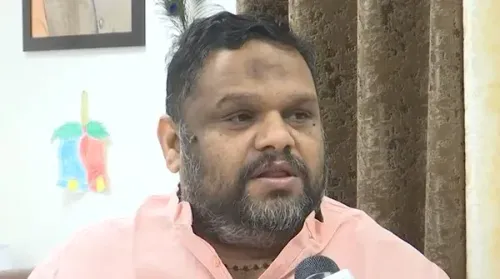
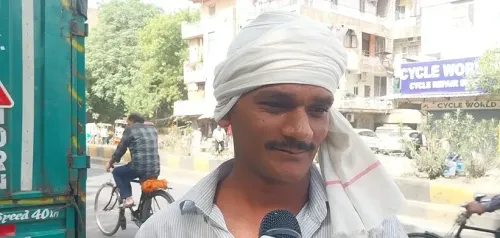
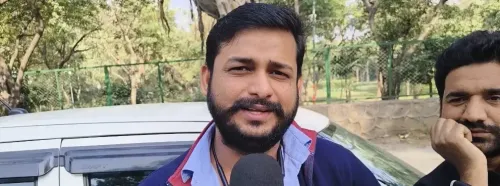
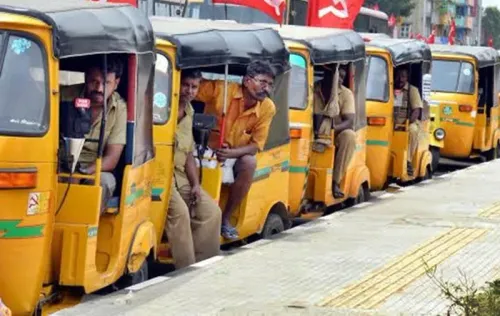
Chalak Shakti Union Vice President Anuj Kumar Rathore on Thursday, 21 May announced a three-day strike by auto-rickshaw, taxi, and app-based cab drivers in New Delhi, citing a 15-year freeze on fares even as CNG, petrol, and diesel prices have risen sharply. The union has urged all drivers to stop operations on 21, 22, and 23 May, and said the strike will be withdrawn the moment the government commits to a fare revision.
The Core Grievance: 15 Years Without a Fare Revision
Rathore pointed out that when the Delhi government framed its taxi policy for Delhi-NCR roughly 15 years ago, the metered fare was fixed at ₹12.5 per kilometre for approximately 70,000 registered vehicles. That rate, he said, has never been revised. 'The fare was fixed at ₹12.5 per kilometre. Even after 15 years, not a single revision has come through,' Rathore said. With fuel costs climbing steadily, drivers say the margin has become unviable, making it difficult to sustain their livelihoods.
Court Orders, Government Assurances — and No Action
The union's frustration is compounded by a series of unfulfilled official commitments. Rathore said he had filed a petition in the Delhi High Court, which ordered a fare revision. The Transport Commissioner subsequently called the union for a meeting and assured revision — but nothing materialised. A contempt of court plea followed, and the court again directed a fare revision, reportedly without result.
Most recently, Delhi Transport Department Deputy Commissioner Sanjay Ailawadi reportedly assured the union that auto and taxi fares would be revised by ₹20–25. Rathore said Ailawadi indicated the file had been sent to the Lieutenant Governor's office and that a notification would be issued once approval was received. A similar assurance was given for fixing fares of Ola, Uber, and other app-based services — but no notification has been issued so far.
Impact on Drivers and Commuters
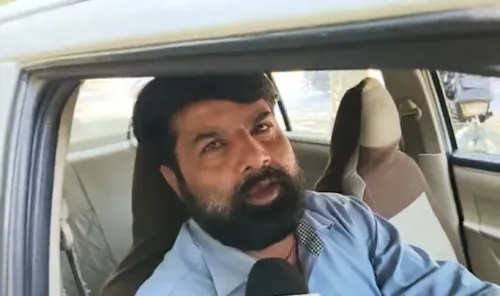
Rathore argued that the fare stagnation is hurting both sides of the ride. 'The customer books a ride, but the driver cancels it due to the low fare,' he said. For app-based drivers, the situation is particularly acute: rising inflation combined with what he described as a 'monopoly' of aggregator platforms leaves drivers compelled to accept rides at rates they consider unsustainable.
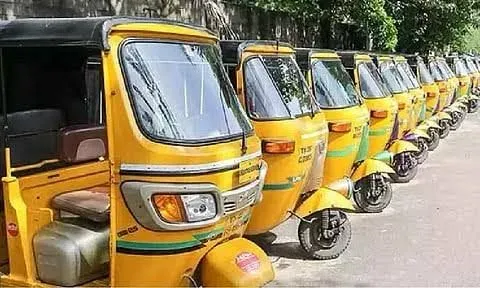
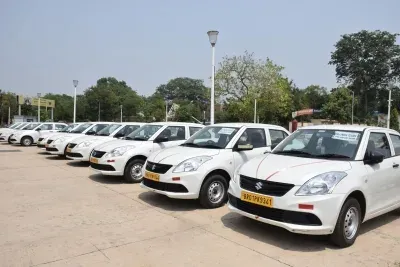
The strike call covers auto-rickshaw drivers, traditional taxis, and Ola-Uber and other platform-based drivers. Rathore urged all of them to hold the line for the full three days. 'Give us three days; the government will definitely listen to us,' he said, adding that the strike would be called off as soon as a credible government assurance on fare revision is received.
Confusion Over Strike Status
Rathore also alleged that certain government-affiliated transport organisations had been spreading misinformation in Delhi, claiming the strike had already been called off. He dismissed these claims and urged drivers not to be misled. 'They are not bothered about the compulsions being faced by the drivers,' he said, reiterating his appeal to stay off the roads for the three-day duration.
With no formal government response yet and thousands of commuters facing disruption across Delhi-NCR, the next 72 hours will test whether the administration moves to break the deadlock or waits out the strike.
Point of View
And drivers are now paying the price in fuel costs the government never accounted for. The High Court has ordered revision twice; a contempt plea has been filed; a senior official has verbally committed to a ₹20–25 hike. That the LG's office has yet to act on a file that is reportedly already on its desk suggests bureaucratic delay has become the de facto answer to a legitimate grievance. The real losers here are not just the drivers — commuters losing ride access and a transport ecosystem where low fares paradoxically produce more cancellations, not fewer, are the collateral damage of inaction.
NationPress
27 Sept 2026
Frequently Asked Questions
Why are Delhi auto and taxi drivers on strike in May 2025?
Delhi auto-rickshaw, taxi, and app-based cab drivers launched a three-day strike on 21 May 2025, demanding a revision of fares that have reportedly remained unchanged for 15 years. The Chalak Shakti Union says rising CNG, petrol, and diesel prices have made the current rate of ₹12.5 per kilometre unviable.
How long will the Delhi transport strike last?
The strike is called for three days — 21, 22, and 23 May. However, Chalak Shakti Union Vice President Anuj Kumar Rathore has said it will be called off immediately if the government formally assures a fare revision.
What has the Delhi High Court said about auto-taxi fare revision?
The Delhi High Court has twice ordered a revision of auto and taxi fares, according to the union. A contempt of court plea was also filed after the first order was not acted upon, and the court again directed revision — reportedly without result so far.
What fare revision have drivers been promised?
Delhi Transport Department Deputy Commissioner Sanjay Ailawadi reportedly assured the union that fares would be revised by ₹20–25. He indicated the file had been sent to the Lieutenant Governor's office, and a notification would follow once approved. No notification has been issued as of the strike's start.
Does the strike also affect Ola, Uber, and app-based cabs?
Yes. The strike call has been extended to Ola, Uber, and other app-based vehicle services. The union also says Deputy Commissioner Ailawadi had assured that fares for these platforms would also be formally fixed, but that commitment remains pending.