Delhi transport strike: Unions demand fare hike, chakka jam till May 23
Synopsis
Delhi's transport workers have had enough — over 68 unions launched a three-day chakka jam on 21 May, citing taxi fares unchanged for nearly 15 years even as diesel, petrol, and CNG costs have surged. With a two-week ultimatum now on the Delhi government's desk, this strike could be just the opening move.
Key Takeaways
Truck, taxi, and auto-rickshaw drivers in Delhi began a three-day strike on 21 May , set to last until 23 May .
More than 68 transport unions under AIMTC and UFTA are participating in the 'chakka jam'.
Unions allege taxi fares in Delhi-NCR have been unchanged for nearly 15 years despite rising fuel costs.
Demands include a fare hike, rollback of Enhanced Congestion Charges (ECC) , and easing of commercial vehicle restrictions.
Fewer taxis were seen at Indira Gandhi International Airport ; app-based cabs continued operating.
Unions have warned of intensified agitation if the government does not notify fare revision within two weeks .
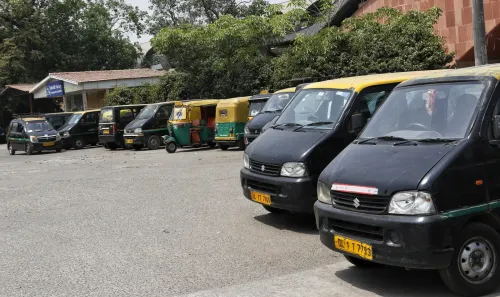
Truck, taxi, and auto-rickshaw drivers in New Delhi launched a three-day strike on Thursday, 21 May, demanding a revision in fares and relief from mounting fuel costs and operational expenses. The agitation, set to continue until 23 May, is expected to disrupt transport services across Delhi-NCR, with more than 68 transport unions under the banners of the All India Motor Transport Congress (AIMTC) and the United Front of All Transport Associations (UFTA) participating in the so-called 'chakka jam'.
Drivers Speak Out on Financial Strain
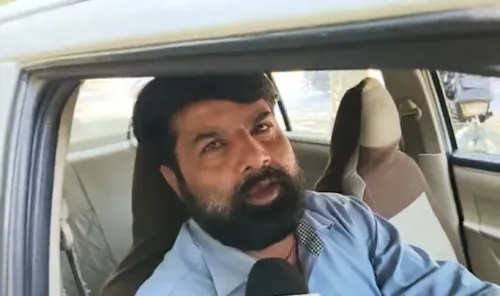
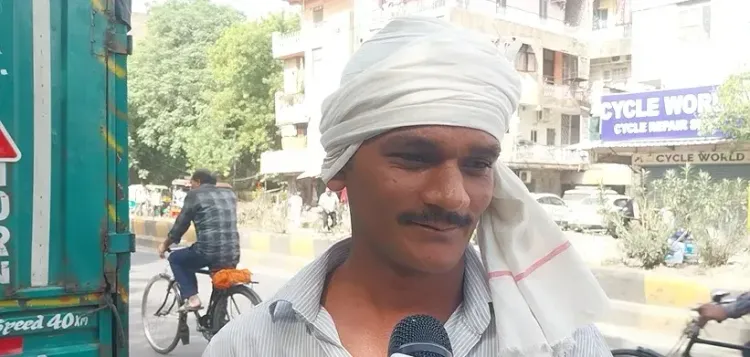
Drivers across categories — trucks, cabs, and autos — described a worsening financial squeeze. A truck driver said transport workers had been pressing for a fare revision for several years. 'Our fares have not been increased for a long time, which means our wages have also remained stagnant. At the same time, diesel, petrol, and CNG prices have continued to rise, and even the prices of food essentials have increased. We have gone on strike to demand higher fares and better wages,' he said.
A cab driver echoed the sentiment, noting that round-the-clock work yielded barely enough to cover household basics. 'We work throughout the night but are unable to save even ₹500. From that amount, we have to manage household expenses such as cooking oil, vegetables, and other essentials,' he said. Another cab driver added that financial conditions had deteriorated sharply in recent months. 'Our accounts are almost empty now. Fuel prices have increased, but if we raise fares, customers face problems. We are completely dependent on this work for survival,' he said.
Impact at Indira Gandhi International Airport
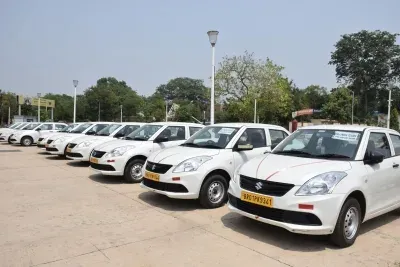
The effects of the strike were visible at Delhi's Indira Gandhi International Airport, where the number of available taxis was noticeably lower than on a typical day. A taxi driver at the airport said, 'The number of taxis is currently low, and people are saying there could be a complete strike. Diesel, petrol, and CNG prices have increased significantly. Passengers are unwilling to pay higher fares, making it difficult for us to operate vehicles.'
Passengers, however, did not face major disruption as app-based cab services continued to operate. Drivers at the airport noted that fare rates had not yet been revised, and warned that the full impact of the strike could intensify as the day progressed.
Key Union Demands and Government Communication
Earlier this week, the AIMTC wrote formally to Delhi Lieutenant Governor Taranjit Singh Sandhu and Chief Minister Rekha Gupta, outlining a set of demands. These include an increase in taxi fares, a rollback of the Enhanced Congestion Charges (ECC), and a reconsideration of restrictions currently imposed on commercial vehicles.
Notably, according to the unions, taxi fares in Delhi-NCR have remained unchanged for nearly 15 years, even as fuel prices and operational costs have risen sharply over the same period. This is the backdrop against which unions argue that the current fare structure is no longer financially viable for drivers.
Escalation Warning and What Comes Next
Transport unions have issued a clear warning: if the Delhi government does not issue a formal notification on fare revision within the next two weeks, the agitation will be intensified. This comes amid a broader pattern of transport sector unrest across Indian cities, where the gap between fuel price inflation and regulated fares has been a persistent flashpoint.
With the strike scheduled through 23 May, commuters and logistics operators in Delhi-NCR are advised to plan accordingly. Whether the government responds before the deadline could determine whether this remains a three-day disruption or escalates into a prolonged standoff.
Point of View
And Delhi's transport workers are now making the cost of that choice visible. The AIMTC-UFTA ultimatum is structurally sound: fuel prices have compounded over a decade while fares stayed flat, creating a squeeze that no amount of longer working hours can offset. The real question is whether the Rekha Gupta government will treat this as a one-off agitation to wait out, or as a signal that the regulated-fare model for urban transport needs a systematic review. With app-based aggregators operating freely during the strike, the contrast between the two tiers of the taxi economy — one regulated into loss-making, the other pricing dynamically — has never been starker.
NationPress
21 Sept 2026
Frequently Asked Questions
Why are Delhi transport workers on strike in May 2025?
Truck, taxi, and auto-rickshaw drivers launched a three-day strike from 21 to 23 May 2025, demanding a revision in fares and relief from rising fuel costs. Unions say taxi fares in Delhi-NCR have not been revised for nearly 15 years despite significant increases in diesel, petrol, and CNG prices.
Which unions are leading the Delhi transport strike?
More than 68 transport unions under the All India Motor Transport Congress (AIMTC) and the United Front of All Transport Associations (UFTA) are participating. The AIMTC also wrote to Delhi Lieutenant Governor Taranjit Singh Sandhu and Chief Minister Rekha Gupta listing the unions' demands.
What are the specific demands of the striking transport unions?
The unions are demanding an increase in taxi fares, a rollback of the Enhanced Congestion Charges (ECC), and reconsideration of restrictions on commercial vehicles. They argue that the current fare structure is unsustainable given the sharp rise in fuel and operational costs over the past 15 years.
How is the strike affecting commuters in Delhi?
The strike reduced the number of available taxis, most visibly at Indira Gandhi International Airport. However, passengers did not face major disruption as app-based cab services continued to function normally during the agitation.
What happens if the Delhi government does not act on fare revision?
Transport unions have warned that if the Delhi government does not issue a formal notification on fare revision within two weeks, the agitation will be escalated further beyond the initial three-day chakka jam.