Are Ola and Uber Drivers in Delhi-NCR Facing Low Rates and Safety Issues?
Synopsis
Drivers for app-based services in Delhi-NCR have initiated a strike due to low fares and safety concerns. They demand better compensation and stronger safety measures from companies like Ola and Uber. The Telangana Gig and Platform Workers' Union has led the protest, calling for immediate action from the government to protect drivers' rights.
Key Takeaways
Low fares are a primary issue causing the strike.
Drivers express concerns over inadequate safety measures .
The Telangana Gig and Platform Workers' Union is leading the protest.
Immediate government intervention is being demanded to protect driver rights.
Minimum base fares need to be established for fair earnings.
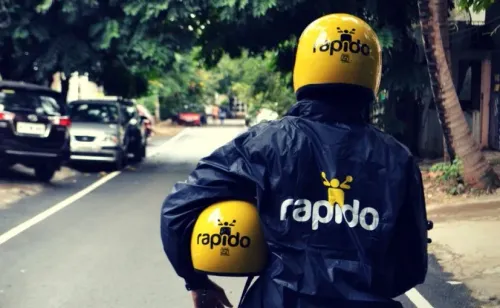
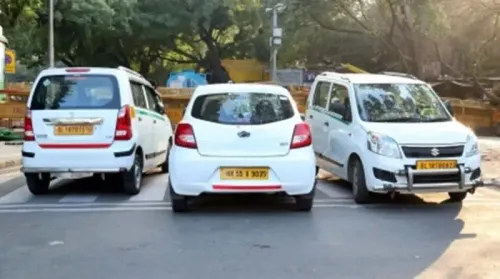
New Delhi, Feb 7 (NationPress) A coalition of app-based taxi and autorickshaw drivers has initiated a one-day strike to advocate for their demands. Drivers affiliated with Ola, Uber, and Rapido in the Delhi-NCR region expressed that fares are significantly low. They further emphasized that these companies fail to implement adequate safety measures or provide fair rates.
Currently, drivers associated with app-based ride-hailing services such as Ola, Uber, and Rapido are participating in a nationwide strike.
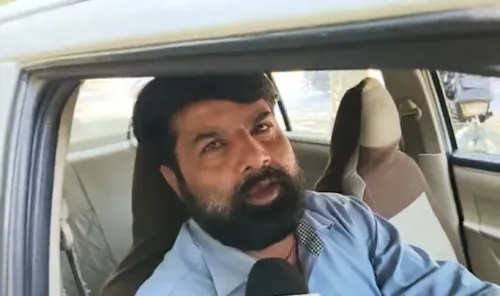
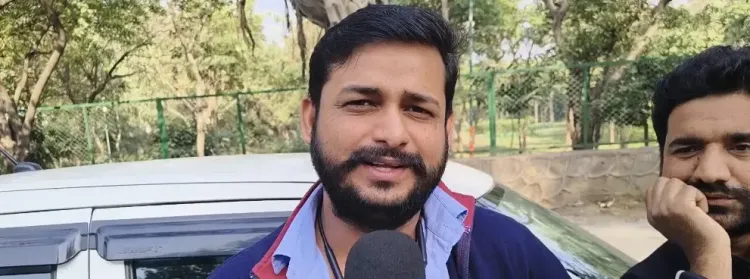
In an interview with IANS, a driver stated, “I work for both Ola and Uber, and we are striking today because the companies’ rates are unreasonably low and have not seen any increase.”
Another driver from Delhi mentioned, “The fares are excessively low, making it challenging to earn even Rs 1,000 a day.”
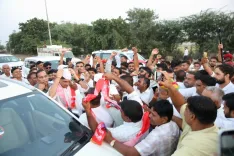
Drivers in Ghaziabad, Uttar Pradesh, have also joined the strike, voicing their concerns over inadequate earnings and safety issues. Service disruptions were noted in multiple cities as drivers demanded improved compensation and enhanced security measures.
A driver from Ghaziabad remarked, “We are striking because we do not receive fair rates, and our safety is compromised. Every day, incidents involving drivers getting harmed occur, as you might have seen in the news. We are apprehensive and are demanding that the company offers proper rates.”
Another driver added, “We operate for Ola, Uber, Rapido, InDrive, and Bharat Taxi across all platforms. None of these companies ensure adequate safety or fair rates. The companies arbitrarily reduce commissions, impacting our earnings.”
The Telangana Gig and Platform Workers' Union (TGPWU), supported by numerous labor organizations throughout India, announced the strike. The union characterized the action as a protest against what it refers to as unfair pricing practices and inadequate regulation within the industry. It also mentioned that aggregator platforms continue to set fares independently, despite the existing Motor Vehicle Aggregator Guidelines, 2025.
In their statement, the union declared, “No minimum fares. No regulation. Endless exploitation. The government must act immediately. Millions of app-based drivers are being pushed into poverty while aggregators profit. Government silence equals platform impunity.”
The union has presented two primary demands to the government.
First, an immediate implementation of minimum base fares for app-based transport services, including autos, cabs, bike taxis, and other aggregator services. The union stated that these fares should be determined in consultation with recognized driver and worker unions, adhering to the Motor Vehicle Aggregator Guidelines, 2025.
Second, they demand a stringent ban on using private, non-commercial vehicles for the commercial transport of passengers or goods.
According to the unions, this movement is organized in response to the persistent failure of both the Central and State Governments to establish minimum base fares as per the Motor Vehicle Aggregator Guidelines, 2025. Despite these guidelines, aggregator companies continue to unilaterally dictate fares, placing workers in unsustainable working conditions and forcing them into extended hours with diminishing earnings.
Point of View
The ongoing strike by app-based taxi drivers in Delhi-NCR highlights a significant issue within the gig economy. The persistent low fares and safety concerns raised by drivers necessitate immediate government intervention. It's crucial to establish fair compensation standards and safety regulations to protect workers in this evolving sector.
NationPress
14 Oct 2026
Frequently Asked Questions
Why are Ola and Uber drivers striking?
Drivers are striking due to low fares and lack of safety measures provided by the companies.
What demands are the drivers making?
They demand the establishment of minimum base fares and stronger safety regulations for their services.
How is this strike affecting services?
The strike has caused disruptions in services across various cities, impacting commuters relying on these platforms.