Delhi slashes ATF VAT to 7% from 25%, giving airlines major cost relief
Synopsis
Delhi has slashed ATF VAT by 18 percentage points — from 25% to 7% — just one day after Maharashtra made a similar move. With fuel making up 30-40% of airline costs and West Asia tensions keeping crude elevated, the back-to-back state cuts signal a coordinated push to keep Indian aviation viable during a bruising summer season.
Key Takeaways
The Delhi government cut VAT on Aviation Turbine Fuel (ATF) from 25 per cent to 7 per cent on 16 May 2025 .
The move follows Maharashtra reducing its ATF VAT from 18 per cent to 7 per cent for six months from 15 May .
ATF constitutes 30–40 per cent of an airline's operating costs, making it the industry's largest variable expense.
The cuts are aimed at easing pressure from elevated global crude prices and disruptions linked to West Asia tensions.
Industry observers expect the reduction to help stabilise airfares and support route expansion from Delhi .
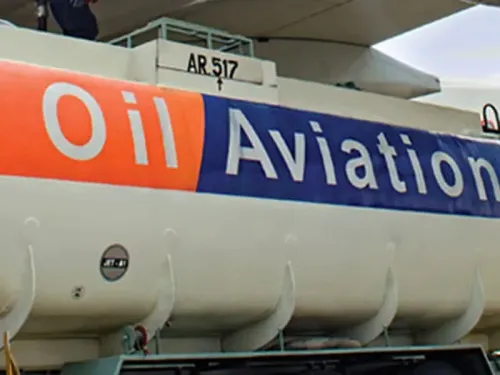
The Delhi government on Saturday, 16 May announced a sharp reduction in Value Added Tax (VAT) on Aviation Turbine Fuel (ATF), cutting the levy from 25 per cent to 7 per cent — a move designed to ease the operational burden on airlines flying out of the national capital and bring some relief to air travellers.
According to the Chief Minister's Office, the decision is expected to meaningfully lower fuel expenses for carriers operating from Delhi and improve the overall financial viability of airline operations in the region.
What the Government Said
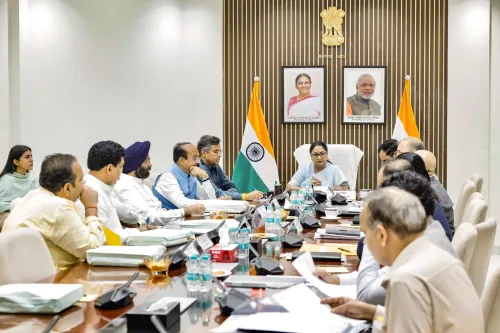
The official statement from the Chief Minister's Office read: 'Delhi government has decided to reduce the value-added tax (VAT) on aviation turbine fuel (ATF) from the existing 25 per cent to 7 per cent, a move which is likely to benefit the airlines and common passengers.'
The reduction is immediate and applies to all carriers operating from Delhi's airports.
Delhi Follows Maharashtra's Lead
The announcement comes just one day after the Maharashtra government reduced VAT on ATF from 18 per cent to 7 per cent for a six-month period beginning 15 May. Both state governments appear to be responding in tandem to mounting pressure on airline economics, driven by elevated global crude oil prices and supply-chain disruptions linked to tensions in West Asia.
Notably, Delhi's cut is far steeper in absolute terms — an 18 percentage point reduction compared to Maharashtra's 11 percentage point cut — signalling the capital's intent to position itself as a more cost-competitive aviation hub.
Why ATF Costs Matter
Aviation Turbine Fuel accounts for roughly 30 to 40 per cent of an airline's total operating expenses, making it the single largest variable cost in the industry. Airlines have faced sustained financial pressure in recent months due to geopolitical uncertainties, periodic airspace restrictions triggered by the Middle East conflict, and volatile global crude markets.
This combination of factors has forced carriers to recalibrate ticket pricing, particularly on high-demand domestic sectors during the busy summer travel season — a burden that has been passed on, at least partially, to passengers.
Impact on Airlines and Passengers
Industry observers believe the VAT reduction will deliver immediate cost relief to airlines and could help stabilise domestic airfares over the coming months. Beyond pricing, the move is expected to support route expansion, encourage higher capacity deployment, and improve operational efficiency by reducing variable input costs.
This is the kind of structural intervention the aviation sector had been lobbying for — ATF taxes in India have historically been among the highest globally, with state-level VAT rates varying widely and adding a layer of unpredictability to airline cost planning.
What Happens Next
With two of India's busiest aviation markets — Delhi and Mumbai — now aligned at a 7 per cent ATF VAT rate, pressure is likely to mount on other states to follow suit. Airlines and industry bodies are expected to push for a uniform national ATF tax framework, a demand that has gained fresh urgency amid the current cost environment.
Point of View
But it raises a structural question: why did it take a crisis-level cost squeeze for states to act on a tax rate that has long made Indian aviation fuel among the most expensive in the world? The back-to-back moves by Delhi and Maharashtra look coordinated, but they are still state-level patches on a problem that demands a uniform national ATF framework. Until the Centre brings ATF under GST — a demand the industry has made for years — airlines will remain hostage to the fiscal calendars of individual state governments, and passengers will keep absorbing the difference.
NationPress
24 Sept 2026
Frequently Asked Questions
What is the new ATF VAT rate in Delhi?
Delhi has reduced the VAT on Aviation Turbine Fuel from 25 per cent to 7 per cent, effective from 16 May 2025. The cut is aimed at lowering operational costs for airlines flying out of the national capital.
Why has Delhi reduced the VAT on aviation fuel?
The reduction is intended to ease the financial burden on airlines, which have faced sustained cost pressure due to elevated global crude oil prices and disruptions linked to West Asia tensions. ATF accounts for 30–40 per cent of an airline's operating expenses.
Did other states also cut ATF VAT?
Yes. Maharashtra reduced its ATF VAT from 18 per cent to 7 per cent for a six-month period beginning 15 May 2025 — one day before Delhi's announcement. Both cuts bring the two states to the same 7 per cent rate.
Will the ATF VAT cut lower airfares?
Industry observers believe the reduction could help stabilise domestic airfares, particularly on high-demand routes during the summer travel season. However, the extent of any passenger benefit will depend on how much of the cost saving airlines pass on.
What is ATF and why does it matter for air travel?
Aviation Turbine Fuel is the specialised fuel used by commercial aircraft, and it constitutes 30–40 per cent of an airline's total operating costs. High ATF prices directly affect airline profitability and can push carriers to raise ticket prices.