Maharashtra slashes ATF VAT to 7% from 18% to ease airline costs
Synopsis
Maharashtra has slashed jet fuel VAT from 18% to 7% — a move the Centre had been pushing for amid Middle East airspace chaos and surging ATF prices. With Tamil Nadu at 29% and Delhi at 25%, Maharashtra now stands as one of India's most airline-friendly tax regimes. The relief window runs to November 2026, and the real question is whether other high-VAT states follow.
Key Takeaways
Maharashtra cut ATF VAT from 18 per cent to 7 per cent , effective 15 May 2025 , valid until 14 November 2026 .
The 11-percentage-point reduction is expected to lower fuel costs for airlines operating in the state.
Fuel constitutes 35–40 per cent of Indian airlines' total operating expenditure.
Civil Aviation Minister Ram Mohan Naidu Kinjarapu confirmed the Centre had been engaging states to reduce ATF VAT amid the West Asia conflict's impact on airspace and fuel prices.
Tamil Nadu levies 29 per cent and Delhi levies 25 per cent VAT on ATF — both significantly higher than Maharashtra's new rate.
The Maharashtra government on 15 May 2025 reduced the value-added tax (VAT) on aviation turbine fuel (ATF) from 18 per cent to 7 per cent, delivering an 11-percentage-point cut that offers direct relief to airlines battling elevated operational costs. The revised rate took effect immediately and will remain in force until 14 November 2026, according to a notification issued by the state finance department.
What the Cut Covers
The reduction applies to jet fuel purchases within Maharashtra, one of India's busiest aviation markets. Fuel accounts for roughly 35–40 per cent of an airline's total operating expenditure, making ATF taxation one of the most consequential levers state governments hold over carrier economics. The new 7 per cent rate is significantly below the national average among major aviation states.
The Pressure Airlines Were Facing
Indian carriers have been squeezed from multiple directions — spiking global ATF prices, longer flying routes, and airspace restrictions stemming from the ongoing conflict in West Asia. The closure of certain airspace corridors has forced airlines to burn more fuel on rerouted flights, compounding an already strained cost structure. This is the backdrop against which the Ministry of Civil Aviation began pushing state governments for VAT relief.
What the Centre Said
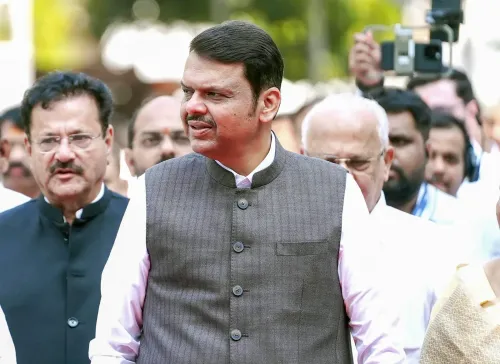
Civil Aviation Minister Ram Mohan Naidu Kinjarapu acknowledged the sector's stress, citing 'air space closures, uncertain operations, spike in ATF prices' as key pain points in a post on X. He noted that ATF VAT levied by states is 'one of the important expenditures in aviation industry' and confirmed that the ministry had been in active discussions with several state governments. The minister also publicly thanked Maharashtra and Chief Minister Devendra Fadnavis for acting swiftly.
How Maharashtra Compares to Other States
Among major aviation markets, Tamil Nadu currently levies the highest VAT on ATF at 29 per cent, while Delhi stands at 25 per cent. Reports indicate the Ministry of Civil Aviation held separate consultations last month with Delhi, Tamil Nadu, West Bengal, and Maharashtra to seek reductions. Maharashtra's move to 7 per cent now makes it one of the more airline-friendly tax regimes in the country, potentially incentivising carriers to expand operations from Mumbai and Pune.
What Happens Next
The relief window runs through mid-November 2026, giving airlines a defined horizon to plan capacity and route economics. Whether other high-VAT states follow Maharashtra's lead — particularly Tamil Nadu and Delhi — will determine how broadly the Centre's push translates into systemic cost relief for the sector. Industry observers note that a coordinated multi-state reduction would have a materially larger impact on airfare competitiveness and network expansion.
Point of View
But it is one state acting while the structural problem is national. ATF VAT is a patchwork of state levies ranging from 7% to 29%, and that disparity distorts where airlines base aircraft and how they price routes. The Centre has been nudging states for months, but nudging is not policy. A statutory cap or GST inclusion of ATF — long demanded by the industry and repeatedly deferred — would resolve this more cleanly than bilateral negotiations during crises. Until then, passengers in Tamil Nadu and Delhi will continue to cross-subsidise the absence of political will in those capitals.
NationPress
26 Sept 2026
Frequently Asked Questions
What is the new ATF VAT rate in Maharashtra?
Maharashtra has reduced the VAT on aviation turbine fuel (ATF) from 18 per cent to 7 per cent, effective 15 May 2025. The revised rate will remain in force until 14 November 2026.
Why did Maharashtra cut the ATF VAT?
The cut follows pressure from the Ministry of Civil Aviation, which held discussions with several states seeking relief for airlines hit by surging ATF prices, longer rerouted flights, and airspace closures linked to the West Asia conflict. Fuel accounts for 35–40 per cent of airline operating costs.
How does Maharashtra's new ATF VAT compare to other states?
At 7 per cent, Maharashtra now has one of the lower ATF VAT rates among major aviation states. Tamil Nadu levies 29 per cent and Delhi 25 per cent — both significantly higher.
Which states did the Centre approach for ATF VAT reductions?
According to reports, the Ministry of Civil Aviation held separate meetings with Delhi, Tamil Nadu, West Bengal, and Maharashtra to seek reductions in ATF VAT amid supply-chain disruptions caused by the West Asia conflict.
Will airfares in Maharashtra fall because of this cut?
The VAT reduction lowers fuel costs for airlines operating in Maharashtra, which could ease pressure on airfares on routes served from Mumbai and Pune. However, whether airlines pass the savings to passengers depends on broader demand conditions and competitive dynamics.