Delhi HC rejects Pernod Ricard licence plea, cites 'criminal background'
Synopsis
The Delhi High Court has ruled that Pernod Ricard's pending ED prosecution in the excise policy scam is enough to brand it as having a 'criminal background' — no conviction required. The judgment reinterprets a key provision of the Delhi Excise Act and shuts the door on the French spirits giant's wholesale licence bid, even as a separate CCI antitrust probe into the company gathers pace.
Key Takeaways
The Delhi High Court dismissed Pernod Ricard 's petition challenging denial of a wholesale L-1 liquor licence on 30 May .
Justice Purushaindra Kumar Kaurav ruled the company has a 'criminal background' under Section 13(1)(c) of the Delhi Excise Act, 2009 due to pending ED prosecution.
The Court held that a formal conviction is not required — pending prosecution alone can constitute a 'criminal background'.
Pernod Ricard was granted liberty to reapply if the status of the criminal proceedings changes.
Separately, the CCI has ordered a 90-day antitrust probe into Pernod Ricard over alleged exclusive dealing arrangements with Delhi retailers.
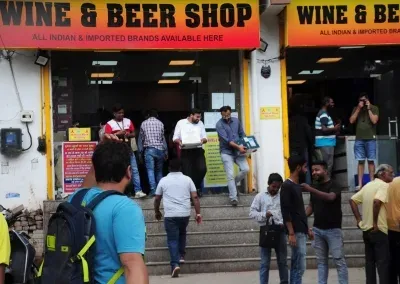
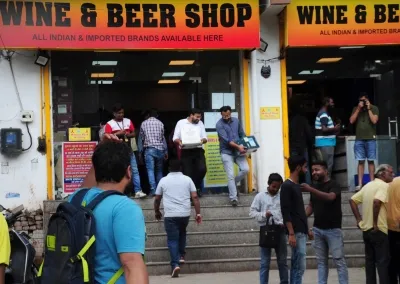
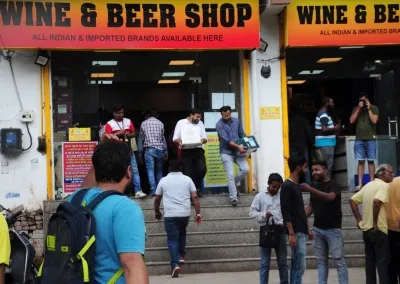
The Delhi High Court on 30 May dismissed a petition filed by French spirits major Pernod Ricard challenging the denial of a wholesale liquor licence, ruling that the company carries a 'criminal background' under the Delhi Excise Act and is therefore ineligible for an L-1 licence. The ruling upholds decisions by both the Excise Commissioner and the Financial Commissioner that had earlier refused the company's licence applications.
What the Court Ruled
Justice Purushaindra Kumar Kaurav held that the authorities were justified in rejecting Pernod Ricard's applications given the pending prosecution against the company in connection with the alleged Delhi excise policy scam. The Court concluded that the company, as of the date of the ruling, has a criminal background under Section 13(1)(c) of the Delhi Excise Act, 2009, and is therefore disqualified from holding an L-1 wholesale licence.
The Court also clarified that the decision-making process of the respondents was 'not arbitrary, illegal, or violative of Article 14 of the Constitution.'
Key Legal Interpretation
A central question before the Court was whether pending prosecution — absent a formal conviction — could constitute a 'criminal background' under the Act. The Court ruled that a conviction is not the only threshold. 'The condition for not being convicted of a criminal offence under Section 13(1)(c) of the Delhi Excise Act is the floor and not the ceiling for a person to not have a criminal background,' Justice Kaurav observed.
The Court further clarified that the word 'or' appearing between the expressions 'has no criminal background' and 'has not been convicted of any offence' in the provision should be read as 'and' — effectively widening the disqualification criteria beyond mere conviction.
Pernod Ricard's Arguments
Senior advocates appearing for Pernod Ricard had argued that the authorities wrongly equated pending criminal proceedings with a 'criminal background', stressing that no conviction had been recorded against the company. They contended that Section 13 only disqualifies applicants who have been convicted, and that the Financial Commissioner had effectively rewritten the law by reading pending prosecution into the eligibility conditions.
The Enforcement Directorate (ED) had initiated money laundering proceedings against Pernod Ricard in connection with alleged irregularities in the Delhi excise policy, in which the company is named as an accused. The licence applications were rejected on this basis.
What Happens Next
With the High Court dismissing the petition, the orders passed by the Excise Commissioner and the Financial Commissioner refusing the wholesale liquor licences remain in force. However, the Court granted liberty to Pernod Ricard to apply afresh for a licence if the status of the criminal proceedings pending against it changes.
This ruling comes shortly after the Competition Commission of India (CCI) ordered a detailed antitrust investigation into Pernod Ricard earlier this month over allegations that the company entered into exclusive arrangements with retailers in Delhi to promote its brands and restrict rival products in the Indian Made Foreign Liquor (IMFL) segment. The CCI's Director General has been directed to complete the probe within 90 days.
Point of View
The Delhi High Court has materially widened the disqualification net under the Excise Act. This sets a precedent that could affect any entity facing active criminal proceedings seeking regulated licences in Delhi. For Pernod Ricard specifically, the timing is damaging — a CCI antitrust probe is already underway, and its market position in Delhi's premium IMFL segment is now doubly exposed. The company's legal argument that the Financial Commissioner 'rewrote the law' was not without merit textually, but the Court's purposive reading prevailed. Whether this interpretation withstands appellate scrutiny remains an open question.
NationPress
21 Sept 2026
Frequently Asked Questions
Why did the Delhi High Court reject Pernod Ricard's liquor licence plea?
The Delhi High Court rejected the plea because Pernod Ricard faces active prosecution by the Enforcement Directorate in connection with the alleged Delhi excise policy scam, which the Court held constitutes a 'criminal background' under Section 13(1)(c) of the Delhi Excise Act, 2009. The Court ruled that a formal conviction is not required for an entity to be disqualified on criminal background grounds.
What is an L-1 licence under the Delhi Excise Act?
An L-1 licence is a wholesale liquor licence issued under the Delhi Excise Act, 2009, required for entities to distribute and sell liquor at the wholesale level in Delhi. Applicants must meet eligibility conditions including the absence of a criminal background.
Can Pernod Ricard reapply for a licence in the future?
Yes. The Delhi High Court granted Pernod Ricard liberty to apply afresh for an L-1 licence if the status of the criminal proceedings pending against it changes — for instance, if charges are dropped or the case is resolved in its favour.
What is the separate CCI investigation into Pernod Ricard about?
The Competition Commission of India ordered a detailed antitrust investigation into Pernod Ricard earlier in May over allegations that the company entered into exclusive arrangements with retailers in Delhi to promote its own brands and restrict rival products in the Indian Made Foreign Liquor segment. The CCI's Director General has been asked to complete the probe within 90 days.
What does the Court's interpretation of Section 13(1)(c) mean for other companies?
The Court ruled that the word 'or' between 'has no criminal background' and 'has not been convicted of any offence' in Section 13(1)(c) should be read as 'and', effectively meaning that both conditions must be met. This broadens the disqualification criteria and could affect other companies facing pending criminal proceedings who seek regulated licences in Delhi.