Was the Liquor Excise Policy 'Scam'? Delhi Court Acquits Former CM Kejriwal in ED Complaints Over Non-Compliance with Summons
Synopsis
In a significant legal development, a Delhi court has acquitted Arvind Kejriwal in cases alleging non-compliance with ED summons regarding the liquor policy. This ruling raises questions about accountability in governance and the implications for future political figures facing scrutiny.
Key Takeaways
Delhi Court acquitted Arvind Kejriwal of ED allegations.
Case centers around Delhi excise policy non-compliance.
ED's accusations included intentional skipping of summons.
Ruling may impact future political accountability.
Additional acquittal for former Waqf Board Chairman Amanatullah Khan.
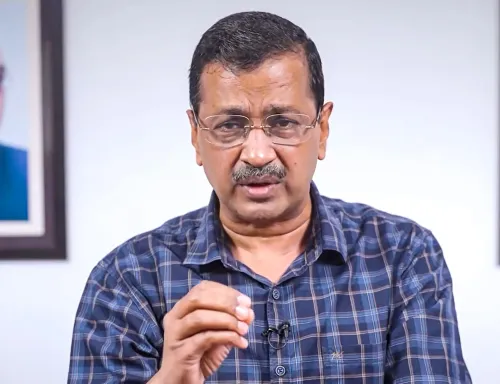
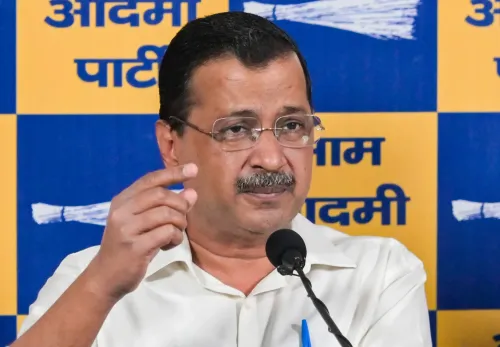
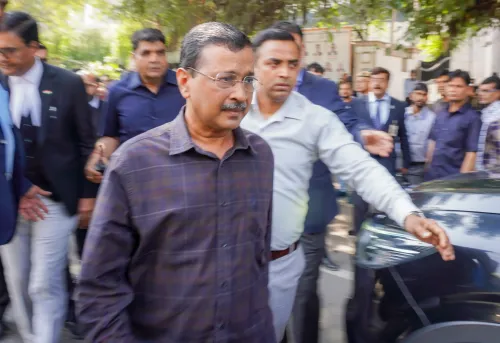
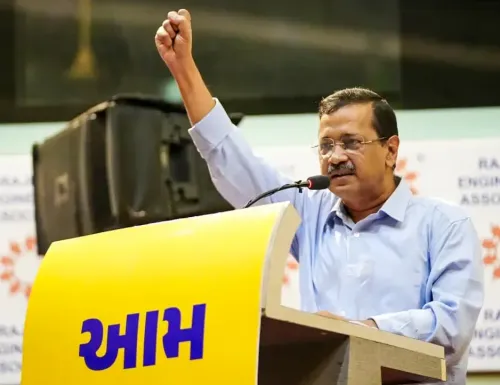
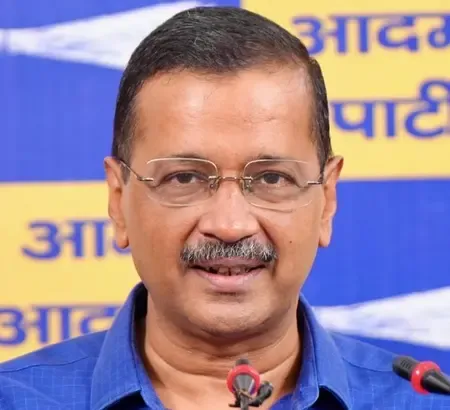
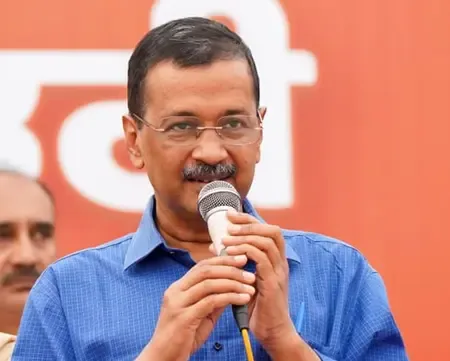
New Delhi, Jan 22 (NationPress) A Delhi court has acquitted former Chief Minister Arvind Kejriwal in two separate instances brought forth by the Enforcement Directorate (ED). These actions were based on allegations of non-compliance with the agency's summons regarding the Delhi excise policy investigation.
The ruling was delivered by Additional Chief Judicial Magistrate (ACJM) Paras Dalal at the Rouse Avenue Courts.
A comprehensive copy of the court's order is still pending.
The ED had approached the magisterial court, charging Kejriwal with intentionally ignoring summons issued under Section 50 of the Prevention of Money Laundering Act (PMLA) related to the purported excise policy 'scam'.
According to the central agency, Kejriwal did not appear for questioning despite receiving five summons on various occasions, leading the ED to pursue legal action for his non-compliance.
The ED argued that if a prominent public official like Kejriwal disobeys legal summons, it sets a troubling precedent for the general populace.
The complaint from the ED indicated that Kejriwal had deliberately chosen to disregard the summons, providing what they termed as 'lame excuses'.
In response to these allegations, the Additional Chief Metropolitan Magistrate (ACMM) of the Rouse Avenue Court had issued summons to Kejriwal.
After the sessions court denied a stay on the summons, Kejriwal appealed to the Delhi High Court against the sessions court's ruling.
Additionally, the leader of the Aam Aadmi Party (AAP) filed a separate petition questioning the validity of the complaints, arguing that a complaint made by one ED officer of Assistant Director rank could not have been filed by another ED officer of the same rank, as per Section 195 of the CrPC.
The ED's investigation into money laundering stems from a case initiated by the Central Bureau of Investigation (CBI) on August 17, 2022, regarding alleged irregularities in the Delhi Excise Policy for 2021-22.
Kejriwal had previously been arrested in the central money laundering case but was granted interim bail by the Supreme Court, which referred his case for further examination on significant legal questions arising from his arrest and subsequent remand by the ED.
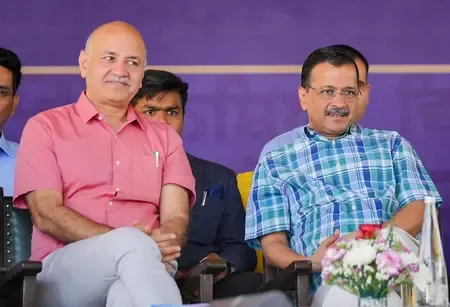
Furthermore, the Rouse Avenue Court also acquitted Amanatullah Khan, the former Chairman of the Delhi Waqf Board, in a distinct case initiated by the ED concerning alleged non-compliance with summons related to the Delhi Waqf Board money laundering case.
Point of View
It is crucial to recognize the legal complexities surrounding this case. The acquittal of a significant political figure like Arvind Kejriwal raises important questions about the enforcement of laws against powerful individuals and the impact of such rulings on public trust in governance.
NationPress
19 Sept 2026
Frequently Asked Questions
What were the allegations against Arvind Kejriwal?
Arvind Kejriwal faced allegations of non-compliance with summons issued by the ED related to the Delhi excise policy investigation.
What did the court ruling signify?
The court ruling indicates a legal victory for Kejriwal and questions the validity of the ED's complaints against him.
What is the significance of the Delhi excise policy case?
The Delhi excise policy case pertains to alleged irregularities in liquor licensing, raising concerns about corruption and governance.
What are the next steps for the ED?
Following this ruling, the ED may need to reassess their approach to similar cases and examine the legal grounds for future actions.
How does this case affect public trust in government?
The acquittal of a high-profile leader like Kejriwal may influence public perception of accountability and transparency in the political system.