ED Appeals Delhi HC Ruling Acquitting Kejriwal in Excise Case
Synopsis
The Enforcement Directorate is contesting a Delhi court's decision to acquit Arvind Kejriwal in the money laundering case linked to the excise policy, raising significant legal questions in the ongoing political saga.
Key Takeaways
ED challenges Kejriwal's acquittal in Delhi High Court.
Appeal follows trial court's ruling citing lack of evidence for prosecution.
Kejriwal argues concerns about impartiality in the ongoing legal proceedings.
CBI also involved, challenging discharge of accused in related case.
Political accountability remains a central theme in this unfolding saga.
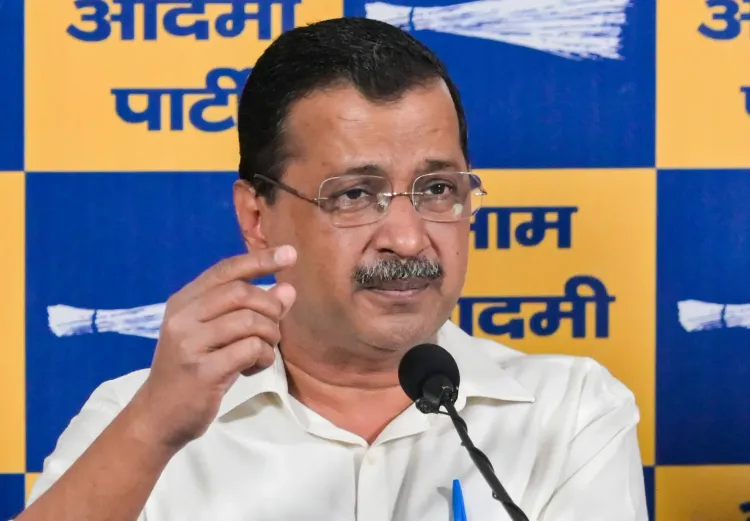
New Delhi, March 30 (NationPress) The Enforcement Directorate (ED) has approached the Delhi High Court to contest a trial court ruling that acquitted Aam Aadmi Party (AAP) leader and former Chief Minister Arvind Kejriwal regarding claims of failing to comply with summons linked to the excise policy money laundering case.
According to the causelist available on the official website, the hearing for the appeal is scheduled for Wednesday before a single-judge Bench led by Justice Swarana Kanta Sharma.
This appeal by the federal anti-money laundering agency follows the acquittal granted by the Rouse Avenue Court in response to complaints filed by the ED, which alleged that Kejriwal intentionally evaded multiple summons issued under Section 50 of the Prevention of Money Laundering Act (PMLA).
Previously, Additional Chief Judicial Magistrate (ACJM) Paras Dalal had found Kejriwal not guilty in these complaints, asserting that the evidence presented did not justify his prosecution for non-compliance.
The ED claimed that despite receiving five summons on various occasions, Kejriwal did not appear before the agency, which led to the initiation of prosecution proceedings. They argued that non-compliance by a prominent public official could set a concerning precedent.
During earlier sessions in the Delhi High Court, the ED expressed its intent to appeal the acquittal after Kejriwal withdrew his challenge to the summons issued against him.
This ongoing situation is particularly significant amidst concurrent proceedings related to the Delhi excise policy case.
The Central Bureau of Investigation (CBI) has also approached the Delhi High Court to contest a trial court ruling that discharged all 23 accused, including Kejriwal and former Deputy Chief Minister Manish Sisodia, in the corruption case associated with the now-repealed excise policy.
The trial court's detailed ruling indicated that the prosecution failed to establish even a prima facie case and that the evidence did not create any serious suspicion against the accused.
Meanwhile, Kejriwal has escalated the matter to the Supreme Court, challenging the Delhi High Court Chief Justice's decision to keep the hearing of the CBI’s plea with the Bench of Justice Swarana Kanta Sharma.
In his writ petition, Kejriwal argues that the refusal to reassign the case raises valid concerns regarding the impartiality of the proceedings. He has also submitted a Special Leave Petition (SLP) against certain remarks made by Justice Sharma during the CBI’s revision plea.
Interestingly, the Delhi High Court recently stayed negative comments made by the trial court against a CBI officer and the agency while issuing notice on the CBI’s revision plea regarding the discharge of accused in the excise policy case.
Point of View
The need for transparency and accountability remains paramount. This case will likely shape public perception of both the AAP and the broader political landscape in India.
NationPress
29 Sept 2026
Frequently Asked Questions
What is the Enforcement Directorate's role in this case?
The Enforcement Directorate (ED) is a federal agency responsible for enforcing economic laws and fighting financial crime, including money laundering.
Why was Kejriwal acquitted in the first place?
Kejriwal was acquitted by a trial court on the grounds that the evidence presented did not warrant prosecution for non-compliance with summons.
What are the implications of this case?
The case highlights issues of political accountability and could influence public trust in political figures and institutions.
What other legal actions are involved?
The Central Bureau of Investigation (CBI) is also involved, challenging the discharge of accused in the related corruption case.
What is the next step for Kejriwal?
Kejriwal has filed a petition in the Supreme Court challenging the continuation of the case with the current bench.