Unraveling the Delhi Liquor Policy Scandal: Kejriwal and Sisodia Acquitted
Synopsis
Discover the latest developments in the Delhi liquor policy case as Arvind Kejriwal and Manish Sisodia are acquitted of all charges. This landmark ruling raises questions about political motivations and the integrity of the excise policy. Read on to explore the implications of this significant legal decision.
Key Takeaways
Kejriwal and Sisodia acquitted of corruption charges.
No evidence of overarching conspiracy found.
Excise Policy aimed to reform liquor regulation in Delhi.
BJP accused AAP of collusion with the liquor mafia.
Political tensions intensified post-ruling.
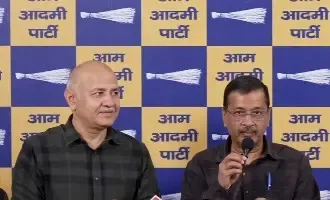
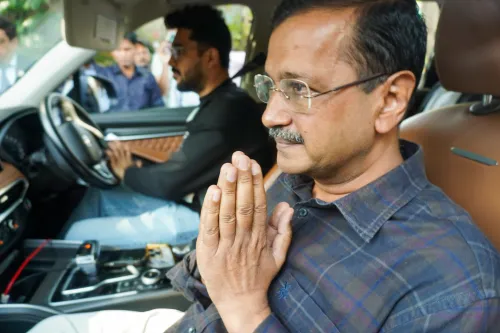
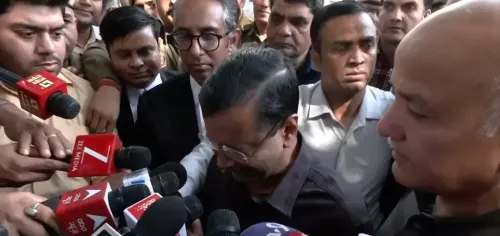
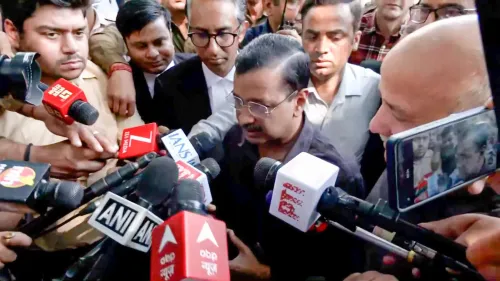
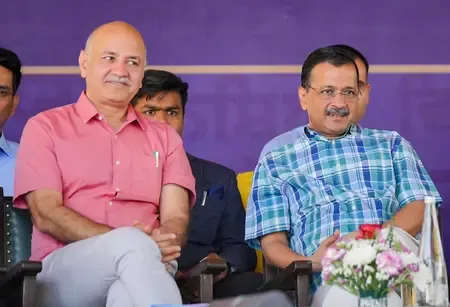
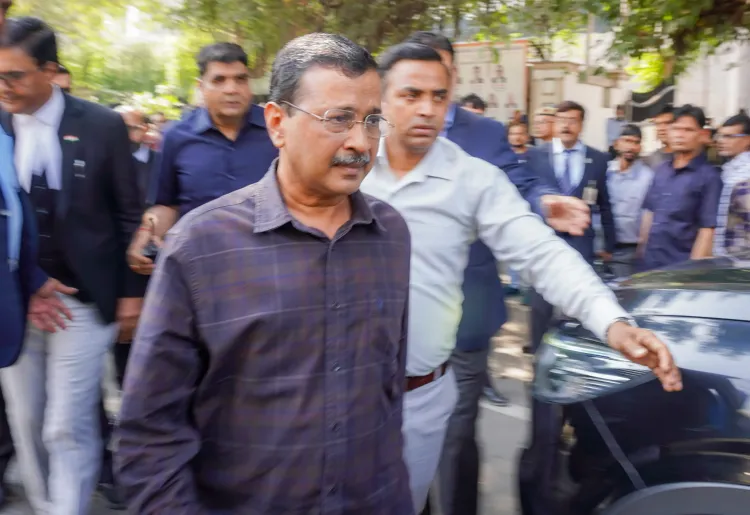
New Delhi, Feb 27 (NationPress) The Rouse Avenue Court in the national capital on Friday cleared AAP's national Convenor Arvind Kejriwal and his close associate Manish Sisodia, along with 23 others, in the excise policy case—often referred to as the liquor policy scam. The court found no evidence of an overarching conspiracy or criminal intent, leading to their discharge from charges of alleged corruption and misconduct.
The acquittal of Kejriwal and Sisodia follows several months of their detention, which has sparked significant backlash from the AAP and the INDIA bloc. Both factions have accused the ruling BJP of wielding Central agencies against them for political advantage.
This case is centered around the Delhi Excise Policy, introduced by the AAP government in November 2021, aimed at restructuring and enhancing the liquor industry’s regulatory framework in the capital. However, the policy faced immediate backlash, with the BJP alleging collusion between the AAP government and the liquor mafia for financial gain. Ultimately, the policy was annulled in 2022.
A formal complaint was filed after a report by then Chief Secretary Naresh Kumar, which was submitted to Lieutenant Governor (L-G) Vinai Kumar Saxena in July 2022, highlighted numerous “procedural lapses and gaps” in the policy development.
This report pointed to various “arbitrary and unilateral decisions” made by Manish Sisodia, claiming these actions led to “financial losses to the exchequer” amounting to over Rs 500 crore.
In response to the controversy, the Kejriwal government denied any wrongdoing, asserting that these measures were intended to enhance consumer experience and combat the illicit liquor market.
However, the allegations included claims of “kickbacks” and “illegal gratification” received by AAP officials from liquor business owners, coupled with assertions that excessive waivers and rebates on license fees were granted.
Following these allegations, the L-G suggested a CBI investigation.
The CBI subsequently charged Manish Sisodia and other AAP members with severe violations, including manipulating the liquor policy to favor wholesalers, leading to Sisodia's arrest.
According to the CBI, “kickbacks” reportedly amounting to Rs 100 crores were funneled to AAP leaders from various liquor companies, including those from southern regions. This money was allegedly used to finance the party’s electoral campaigns in Goa and Punjab for the 2022 Assembly elections.
The situation escalated into a significant controversy, with the BJP accusing the Kejriwal administration of exploiting state resources for political gain. The AAP, in turn, vehemently denied the allegations and accused the BJP-led Centre of orchestrating a witch-hunt against them.
Eventually, as charges were laid, Arvind Kejriwal was identified as the ‘key conspirator’ in the alleged scam according to the CBI charge sheet, implicating him directly in the formulation of the contentious policy and the misappropriation of illicit funds.
Manish Sisodia, the then Deputy Chief Minister and Excise Minister, was charged with making “arbitrary and unilateral decisions” that benefitted private liquor enterprises.
Point of View
The acquittal of Kejriwal and Sisodia signifies not only a pivotal moment for the AAP but also a critical reflection on the intersection of politics and governance in India. With allegations of corruption now cleared, the focus shifts to the systemic issues within the political landscape, raising questions about accountability and transparency.
NationPress
19 Sept 2026
Frequently Asked Questions
What was the Delhi Excise Policy?
The Delhi Excise Policy was introduced by the AAP government in November 2021 to reform and regulate the liquor industry in Delhi.
Why were Kejriwal and Sisodia arrested?
They were arrested due to allegations of corruption and misconduct related to the excise policy, including claims of collusion with the liquor mafia.
What was the outcome of the court ruling?
The Rouse Avenue Court discharged Kejriwal, Sisodia, and 23 others, stating there was no evidence of a conspiracy or criminal intent.
What are the political implications of this case?
The case has intensified political tensions between the AAP and BJP, with accusations of political targeting and misuse of central agencies.
What happens next for the AAP leaders?
With their acquittal, Kejriwal and Sisodia are likely to focus on restoring their political standing and addressing the fallout from the allegations.