CSIR-TKDL visit: Dr Jitendra Singh calls for integrating traditional knowledge with modern science
Synopsis
India's CSIR-TKDL — the global firewall against biopiracy of traditional remedies — got a fresh mandate on 25 August, as Minister Dr Jitendra Singh pushed for co-guidance of medical postgraduates and cross-disciplinary tie-ups. The signal is clear: traditional knowledge can no longer remain a defensive archive; it must become an active research partner.
Key Takeaways
Dr Jitendra Singh visited CSIR-TKDL in New Delhi on 25 August 2025 , calling for deeper integration of traditional knowledge with modern science and medicine.
He urged collaboration between CSIR-TKDL and academic or medical institutions, including co-guidance opportunities for postgraduate medical students.
The minister said traditional knowledge must go beyond Ayurveda and connect with broader scientific disciplines.
TKDL resources are available to patent offices in five languages : English, French, German, Japanese, and Spanish.
CSIR-TKDL was institutionalised in 2001 and has since expanded beyond Ayurveda to cover multiple traditional knowledge systems.
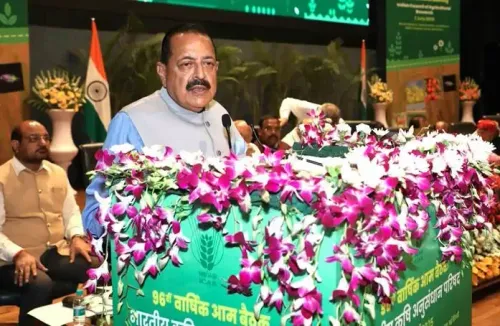
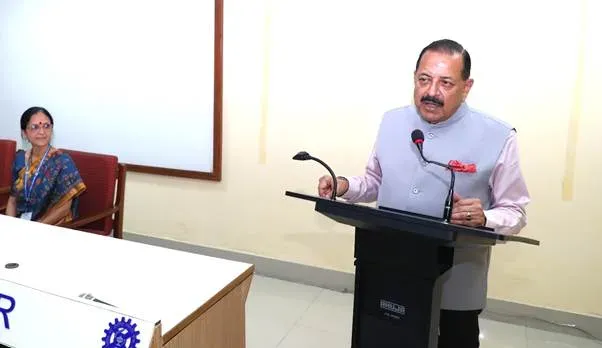
Union Minister of State for Science and Technology and Earth Sciences Dr Jitendra Singh on Tuesday, 25 August called for closer integration of traditional knowledge with modern science, medicine, and emerging technologies, arguing that such convergence would broaden the societal impact of India's indigenous knowledge systems. The minister made the remarks during a visit to the CSIR-Traditional Knowledge Digital Library (TKDL) in New Delhi.
Key Developments from the CSIR-TKDL Visit
During the interaction, Dr Singh urged stronger collaboration between CSIR-TKDL and academic as well as medical institutions. He specifically suggested co-guidance opportunities for postgraduate medical students as a mechanism to deepen traditional knowledge research within the broader academic community. The minister noted that such partnerships would also serve as a bridge connecting TKDL's work with younger generations of researchers.
Expanding the Scope Beyond Ayurveda
A central theme of Dr Singh's remarks was the need to move beyond viewing traditional knowledge solely through the lens of Ayurveda and other classical indigenous systems. He said traditional knowledge must increasingly intersect with disciplines across science and medicine as India advances toward a more integrated research and innovation framework. He also stressed the importance of familiarising students and early-career researchers with intellectual property principles and the processes involved in documenting and protecting such knowledge.
Technology, Data Architecture, and Global Reach
CSIR-TKDL has developed a distinct data architecture and standardised terminology that enables effective searches and presents traditional knowledge in formats accessible to patent examiners worldwide. Its knowledge resources are currently available to patent offices in five languages — English, French, German, Japanese, and Spanish — making it a globally relevant tool against biopiracy. Dr Singh underlined that India's advanced scientific capabilities, combined with its extensive traditional knowledge base, offer a unique opportunity to build a more integrated research ecosystem.
Capacity Building and Online Learning Initiatives
The discussions also covered ongoing online learning and capacity-building programmes aimed at widening access to traditional knowledge education. Dr Singh emphasised the need for greater outreach, urging TKDL to expand its scope and deepen engagement with the wider research community.
About CSIR-TKDL
TKDL was institutionalised in 2001, initially focusing on Ayurveda formulations before being expanded to cover other systems of traditional knowledge. It remains one of India's most significant tools for preventing the wrongful patenting of traditional remedies by foreign entities. With the minister's renewed push for institutional collaboration and technology integration, TKDL appears set for a broader mandate in the years ahead.
Point of View
And bridging them requires more than ministerial intent. Without dedicated funding lines and a formal research protocol, the push risks remaining aspirational. India's window to monetise its traditional knowledge advantage — before competitors systematise their own — is narrowing.
NationPress
9 Oct 2026
Frequently Asked Questions
What is the CSIR-Traditional Knowledge Digital Library (TKDL)?
CSIR-TKDL is an Indian government initiative institutionalised in 2001 to document and digitise traditional knowledge — initially focused on Ayurveda formulations — to prevent wrongful patenting of indigenous remedies by foreign entities. Its resources are accessible to patent offices in five languages, including English, French, German, Japanese, and Spanish.
What did Dr Jitendra Singh propose during his TKDL visit?
Dr Singh called for stronger collaboration between CSIR-TKDL and academic or medical institutions, including co-guidance opportunities for postgraduate medical students. He also urged greater outreach, expanded scope, and closer integration of traditional knowledge with modern science, medicine, and emerging technologies.
Why does Dr Singh want traditional knowledge integrated with modern science?
The minister argued that viewing traditional knowledge only through the lens of Ayurveda limits its societal impact. Integration with broader scientific disciplines and institutions, he said, would expand its research relevance and connect it with younger generations of scholars and innovators.
How does TKDL help protect India's traditional knowledge internationally?
TKDL uses a standardised data architecture and specialised terminology to present traditional knowledge in formats that patent examiners can understand. By making this database available to patent offices in multiple languages, it enables examiners to reject applications that attempt to patent pre-existing Indian traditional remedies.
What capacity-building steps are being taken at CSIR-TKDL?
Ongoing online learning and capacity-building programmes are aimed at widening access to traditional knowledge education. Dr Singh emphasised the need to familiarise students and researchers with intellectual property principles and the documentation processes involved in protecting such knowledge.