Dr. Jitendra Singh Chairs Deep-Tech Roundtable in Bengaluru
Synopsis
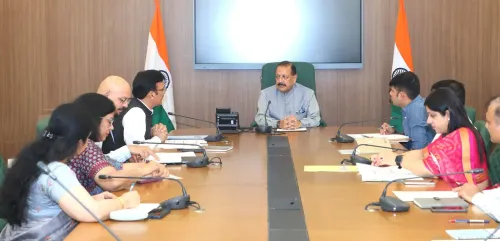
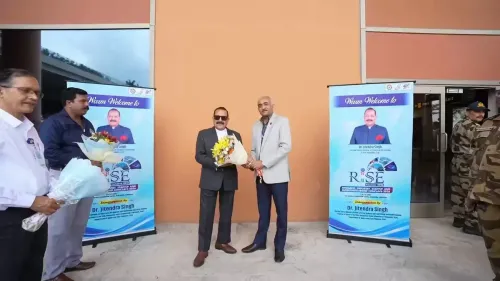
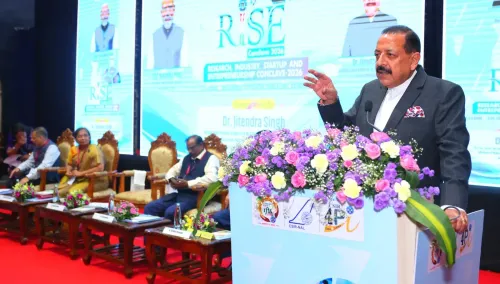
Union Science and Technology Minister Dr. Jitendra Singh chaired a deep-tech industry roundtable in Bengaluru at RISE Conclave 2026, drawing candid inputs from Indian business houses and MNCs on scaling private engagement in indigenous technology ventures aligned with the Modi government's Viksit Bharat 2047 vision.
Key Takeaways
Jitendra Singh chaired an industry roundtable in Bengaluru on 13 June 2026 under the RISE Conclave 2026 platform.
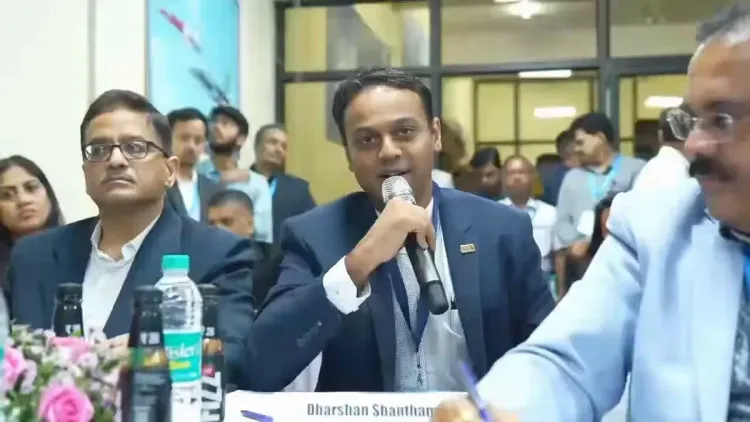
Representatives of leading Indian business houses and MNCs participated, offering views on scaling deep-tech and indigenous ventures.
The minister affirmed the Modi government is 'open to inputs from all quarters' on reinforcing public-private synergy.
The session is anchored to the Viksit Bharat @2047 framework, India's centenary development goal articulated by Prime Minister Modi in 2022 .
The outreach continues a policy shift from state-dominated R&D toward hybrid co-development models visible across semiconductor, AI and quantum missions.
Follow-up policy instruments and possible conclaves in cities such as Hyderabad and Pune are being watched as next steps.
Union Science and Technology Minister Dr. Jitendra Singh on Saturday, 13 June 2026 concluded an industry outreach session in Bengaluru under the RISE Conclave 2026 banner, where representatives of leading Indian business houses and multinational corporations shared views on scaling private engagement in deep technology and globally relevant indigenous ventures.
Context
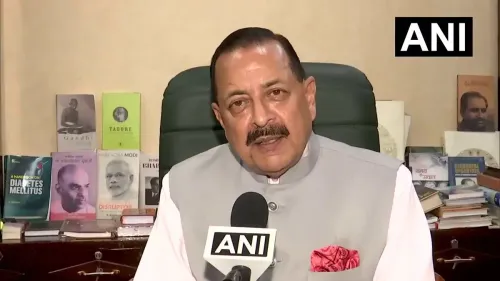
The minister described the roundtable as 'highly enriching', noting that industry participants came forward with 'candid views and some very constructive ideas' on deepening private-sector involvement in frontier technology. The session was held in Bengaluru, India's foremost deep-tech and startup cluster, home to a dense ecosystem of MNCs, AI firms, semiconductor ventures and biotech companies.
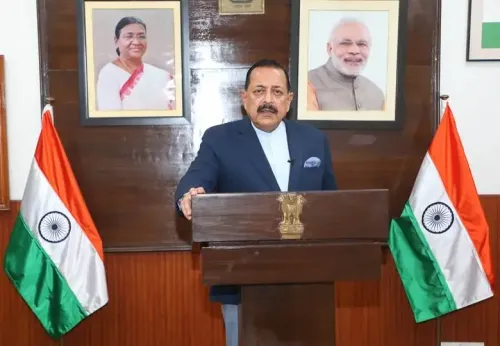
Dr. Singh underscored that the Narendra Modi government 'is open to inputs from all quarters' and stressed the need for 'reinforced synergy between public-private sectors' to meet the 2047 development target — a reference to the Viksit Bharat @2047 framework articulated by Prime Minister Modi in 2022 as India's overarching national development goal for the centenary of independence.
Policy Backdrop
The Bengaluru roundtable sits within a broader shift in India's science and technology governance — from a public-sector-dominated R&D model toward hybrid financing and co-development arrangements. The Atmanirbhar Bharat initiative, launched in 2020, laid the groundwork for production-linked incentives and mission-mode programmes designed to build domestic capabilities in advanced technology sectors.
The Science, Technology and Innovation Policy (STIP) 2020 draft explicitly called for greater private-sector participation in R&D and deep-tech commercialisation, a thread that successive policy instruments — spanning semiconductor, artificial intelligence and quantum missions — have continued to pull through. The RISE Conclave 2026 represents the latest effort to formalise that dialogue between government and industry.
Stakeholders and Impact
The outreach directly concerns India's deep-tech startups, established technology companies and MNCs operating in frontier sectors. By inviting candid industry input before finalising policy instruments, the ministry signals a consultative approach that could shape funding vehicles, regulatory frameworks and co-development mandates in the near term.
For the private sector, the session offers a channel to influence the design of programmes that could unlock public capital and de-risk investment in areas with dual-use and export potential. The presence of MNCs alongside domestic business houses also indicates an intent to integrate global expertise into indigenous technology missions rather than treat foreign participation as a separate track.
What's Next
Attention will now turn to whether the inputs gathered at the Bengaluru roundtable translate into concrete policy instruments — new funding vehicles, amended procurement norms or expanded mission mandates. Similar conclaves in other innovation clusters such as Hyderabad or Pune could follow as the government widens its industry consultation ahead of budgetary and legislative cycles. The degree to which private-sector recommendations are reflected in forthcoming announcements will be the clearest measure of how far the government's stated openness to inputs extends in practice.
Point of View
A meaningful procedural shift. By invoking the 2047 horizon explicitly, Dr. Singh ties a single industry event to a decade-long national narrative, lending it political weight beyond routine outreach. The inclusion of MNCs alongside domestic players suggests the government is comfortable with foreign capital and expertise inside indigenous technology missions, a nuance that could ease regulatory friction for joint ventures. Whether the inputs from RISE Conclave 2026 produce measurable policy change will determine if this consultative format becomes a durable governance tool or remains symbolic.
NationPress
13 Sept 2026
Frequently Asked Questions
What is RISE Conclave 2026?
RISE Conclave 2026 is an industry outreach platform convened to gather private-sector inputs on scaling indigenous deep-tech ventures and strengthening public-private collaboration in India's technology sector.
What did Dr. Jitendra Singh say at the Bengaluru roundtable?
Dr. Jitendra Singh said the session was 'highly enriching', with industry representatives offering 'candid views and constructive ideas' on deep-tech engagement, and affirmed the Modi government is 'open to inputs from all quarters' to achieve the 2047 national target.
What is the Viksit Bharat 2047 target?
Viksit Bharat @2047 is Prime Minister Narendra Modi's overarching national development vision for India to become a fully developed nation by 2047, the centenary of its independence.
Why was Bengaluru chosen for this deep-tech roundtable?
Bengaluru is India's primary deep-tech and startup cluster, hosting a dense ecosystem of MNCs, AI firms, semiconductor ventures and biotech companies, making it a natural venue for industry consultations on frontier technology policy.
What policy initiatives back India's push for deep-tech private participation?
Key initiatives include the Atmanirbhar Bharat programme launched in 2020, the Science Technology and Innovation Policy 2020 draft, and mission-mode programmes in semiconductors, artificial intelligence and quantum technology rolled out over the past five years.