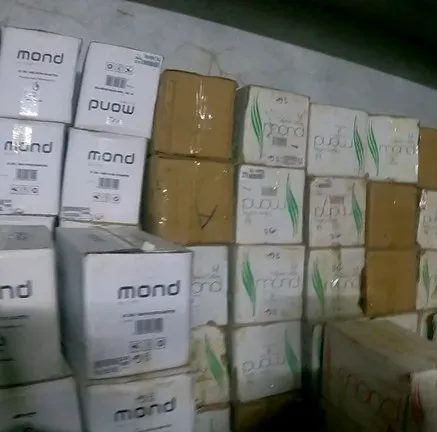
DRI seizes ₹120 crore in vape smuggling bust across Maharashtra, Gujarat, Delhi, West Bengal
Synopsis
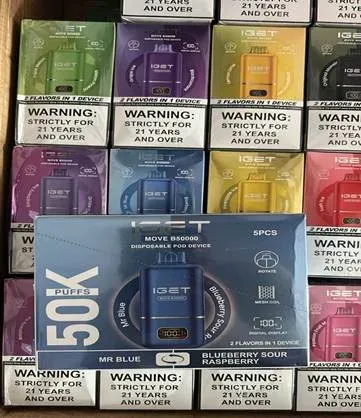
India's top anti-smuggling agency cracked open a ₹120 crore e-cigarette racket sourced entirely from China — with vapes hidden inside furniture and metal chair parts shipments cleared through ports and airports across four states. With ENDS banned since 2019, the scale of this haul signals a thriving grey market that enforcement is only beginning to map.
Key Takeaways
The Directorate of Revenue Intelligence (DRI) busted a large-scale vape smuggling racket on 21 May 2025 .
Nearly 3,00,000 e-cigarettes and vapes worth over ₹120 crore were seized across Maharashtra, Gujarat, Delhi , and West Bengal .
All contraband was sourced from China and concealed in consignments falsely labelled as 'Furniture' and 'Metal Chair Parts' .
Electronic cigarettes and ENDS have been banned in India under the Prohibition of Electronic Cigarettes Act, 2019 .
Last month, DRI also cracked 'Operation Golden Drop' at CSMI Airport, Mumbai , seizing 3 kg of gold worth ₹4.8 crore and arresting one accused.
The Directorate of Revenue Intelligence (DRI) on 21 May 2025 announced the dismantling of a large-scale e-cigarette smuggling racket, seizing nearly 3,00,000 electronic cigarettes and vapes valued at over ₹120 crore in coordinated operations across multiple ports, airports, and Inland Container Depots (ICDs) in Maharashtra, Gujarat, Delhi, and West Bengal. The contraband was found to have been sourced exclusively from China in every intercepted consignment.
How the Smuggling Network Operated
Acting on specific intelligence, DRI officers identified and tracked multiple suspicious import consignments that had been mis-declared to evade customs scrutiny, according to the Ministry of Finance. Detailed examination revealed that the prohibited e-cigarettes were concealed within shipments falsely labelled as 'Furniture' and 'Metal Chair Parts' — a deliberate misdeclaration designed to bypass regulatory checks at border entry points.
The seized devices spanned a wide range of brands, flavours, and specifications, indicating a well-organised supply chain catering to retail distribution across multiple Indian states.
Why E-Cigarettes Are Banned in India
Electronic cigarettes and all Electronic Nicotine Delivery Systems (ENDS) are prohibited in India under the Prohibition of Electronic Cigarettes (Production, Manufacture, Import, Export, Transport, Sale, Distribution, Storage and Advertisement) Act, 2019. The legislation was enacted on public health grounds to shield citizens — particularly young people — from nicotine addiction and associated health risks. Despite the ban, demand for vaping products has persisted, creating a lucrative grey market that smuggling networks have moved to exploit.
Pattern of Large-Scale Customs Evasion
This bust is the latest in a series of high-profile DRI enforcement actions. Last month, the agency dismantled a sophisticated gold smuggling syndicate at Chhatrapati Shivaji Maharaj International (CSMI) Airport in Mumbai under an operation codenamed 'Operation Golden Drop'. In that case, officers seized 3 kg of foreign-origin gold valued at approximately ₹4.8 crore and arrested one accused. The gold dust had been converted into wax form and concealed inside specially designed egg-shaped capsules, which transit passengers allegedly ingested to carry the contraband into India. A cleaning staff member employed at a food outlet within the airport premises was also implicated for allegedly facilitating the removal and delivery of the smuggled gold outside the facility.
Notably, the scale and sophistication of both operations — involving concealment techniques, multi-state networks, and insider facilitation — point to organised criminal syndicates with considerable logistical resources, rather than opportunistic individual smuggling.
Impact and What Comes Next
The ₹120 crore vape seizure is among the largest single-enforcement actions against ENDS smuggling since the 2019 ban came into force. Investigations are ongoing, and further arrests are expected as DRI traces the domestic distribution network linked to the intercepted consignments. Customs authorities have signalled continued surveillance at major entry points, particularly for cargo mis-declared under industrial or household goods categories.
Point of View
But the more telling detail is the modus operandi: furniture and metal chair parts used as cover for prohibited nicotine products sourced entirely from China. This level of logistical sophistication — multi-state distribution, deliberate mis-declaration, multiple entry points — suggests an entrenched supply chain, not an isolated incident. The 2019 ENDS ban removed a legal market without eliminating demand, and that gap has been systematically filled. DRI's enforcement wins are significant, but the frequency of large-scale busts raises a harder question: how much is getting through undetected?
NationPress
6 Oct 2026
Frequently Asked Questions
What did the DRI seize in the vape smuggling bust?
The DRI seized nearly 3,00,000 electronic cigarettes and vapes of various brands, flavours, and specifications, valued at over ₹120 crore. The contraband had been imported from China and concealed inside shipments falsely declared as furniture and metal chair parts.
Are e-cigarettes legal in India?
No. Electronic cigarettes and all Electronic Nicotine Delivery Systems (ENDS) are prohibited in India under the Prohibition of Electronic Cigarettes Act, 2019. The law bans their production, manufacture, import, export, transport, sale, distribution, storage, and advertisement.
Which states were involved in the DRI vape crackdown?
DRI conducted operations across ports, airports, and Inland Container Depots in Maharashtra, Gujarat, Delhi, and West Bengal. Multiple suspicious import consignments were intercepted across these locations over the course of a few days.
Where were the smuggled e-cigarettes sourced from?
According to the Ministry of Finance, all seized e-cigarettes were sourced from China in every intercepted instance. They were imported under mis-declared descriptions to evade customs detection.
What was 'Operation Golden Drop' carried out by DRI?
'Operation Golden Drop' was a DRI operation at Chhatrapati Shivaji Maharaj International Airport in Mumbai last month, in which 3 kg of foreign-origin gold worth approximately ₹4.8 crore was seized. The gold had been concealed in egg-shaped capsules allegedly ingested by transit passengers, with an airport food outlet employee arrested for facilitating its removal.