DRI seizes 7.8 kg smuggled gold worth ₹11.5 crore, arrests 6 in eastern India ops
Synopsis
DRI's single-day sweep across eastern India netted 7.8 kg of foreign-origin gold worth ₹11.5 crore and six arrests — including an alleged syndicate kingpin. The operations at a toll plaza and two railway stations in West Bengal exposed a layered smuggling chain running from the Bangladesh border through Tripura toward Kolkata, signalling a widening crackdown on organised cross-border gold trafficking.
Key Takeaways
The DRI seized approximately 7.8 kg of foreign-origin gold valued at over ₹11.5 crore on 11 October 2026 in eastern India.
Six individuals were arrested, including the alleged kingpin of a smuggling syndicate in the Banpur border region of West Bengal.
The largest haul — 50 gold bars weighing 6.8 kg worth nearly ₹10 crore — was recovered at Dankuni Toll Plaza .
An additional 1 kg of gold worth approximately ₹1.5 crore was seized from passengers at Malda Town and New Jalpaiguri railway stations.
Smuggling routes allegedly ran across the Indo-Bangladesh border through Tripura , using both road and rail networks toward Kolkata .
The Directorate of Revenue Intelligence (DRI) on Sunday, 11 October 2026, announced the seizure of approximately 7.8 kg of foreign-origin gold valued at over ₹11.5 crore following a series of intelligence-based operations across eastern India. The enforcement action uncovered smuggling routes linked to the Indo-Bangladesh border and led to the arrest of six individuals, including the alleged kingpin of a smuggling syndicate operating in the Banpur border region of West Bengal.
The Dankuni Toll Plaza Intercept
In the largest of the operations, DRI officers intercepted a four-wheeler at Dankuni Toll Plaza in West Bengal. The vehicle, carrying four occupants, was travelling towards Kolkata from Banpur, a town located close to the Bangladesh border.
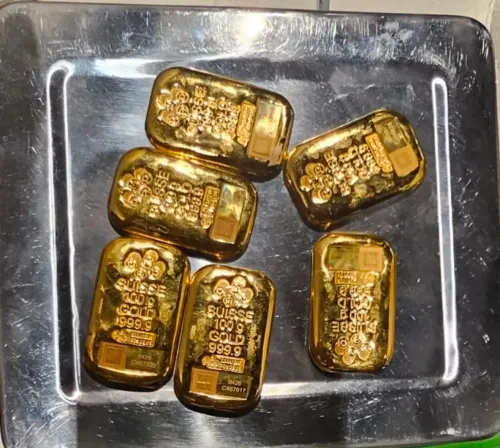
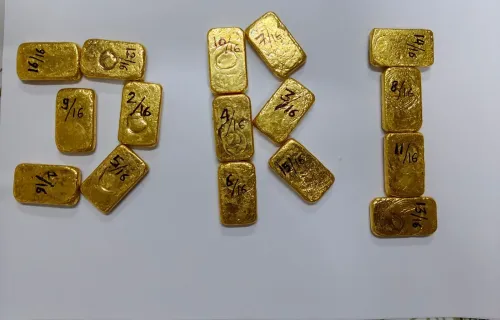
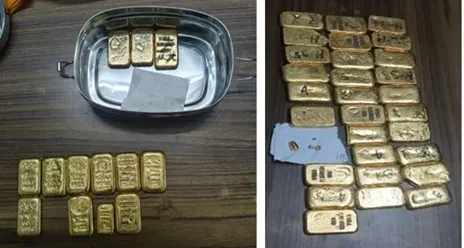
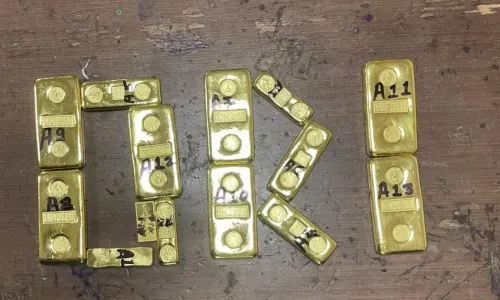
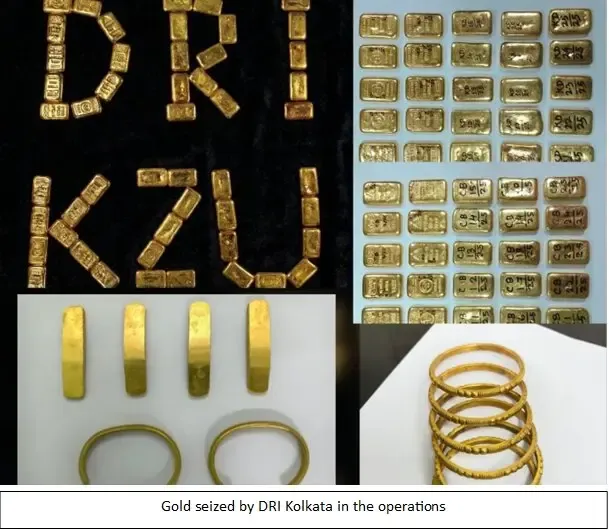
A search of the vehicle and its passengers led to the recovery of 50 gold bars weighing approximately 6.8 kg and valued at nearly ₹10 crore. Several of the gold bars bore foreign markings. According to officials, the occupants were unable to produce any documentation establishing lawful possession of the precious metal.
During questioning, the accused allegedly admitted to their involvement in smuggling foreign-origin gold into India through Bangladesh. The DRI identified one of those arrested as the alleged kingpin of the smuggling syndicate active in the Banpur border area.
Railway Station Seizures at Malda and New Jalpaiguri
In separate but coordinated operations on the same day, DRI teams intercepted train passengers at Malda Town Railway Station and New Jalpaiguri Railway Station in West Bengal. Those searches resulted in the seizure of around 1 kg of foreign-origin gold valued at approximately ₹1.5 crore.
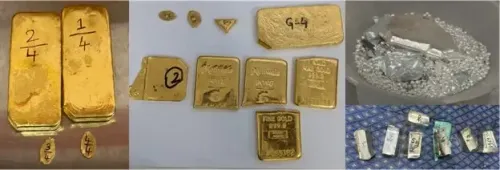
The gold — found in the form of bangles and gold bars — was allegedly being transported after having been smuggled across the Indo-Bangladesh border through Tripura. Both passengers were arrested after failing to provide valid documents proving legal procurement of the gold.
Smuggling Routes and Broader Pattern
Officials said the latest seizures underscore the continued exploitation of border regions along Bangladesh, as well as key road and railway corridors linking the North-East with eastern markets such as Kolkata, for the movement of smuggled gold. This comes amid heightened DRI focus on cross-border smuggling networks that use multiple transit nodes to move contraband deeper into domestic markets before detection.
Notably, the use of both road and rail networks in a single day's operations suggests a layered logistics chain — a pattern intelligence agencies have flagged as increasingly common among organised smuggling syndicates operating along the eastern border.
What Happens Next
The six arrested individuals are expected to face prosecution under applicable customs and smuggling laws. The DRI has indicated that the operations are part of a broader ongoing effort to dismantle border-linked gold smuggling syndicates in the region. Further arrests and seizures cannot be ruled out as investigations continue.
Point of View
But the more important signal is structural: DRI intercepted smugglers at a toll plaza and two railway stations simultaneously, suggesting a coordinated intelligence picture rather than a chance catch. That the alleged kingpin was travelling with the contraband — rather than insulating himself through intermediaries — points either to overconfidence or to a syndicate less sophisticated than its volume of business implies. The Bangladesh border has become a pressure point for gold smuggling as formal import duties keep domestic gold prices well above global rates; until that duty differential narrows, enforcement alone will struggle to dent the incentive. The real test is whether these arrests unravel the supply chain upstream, or whether replacement operatives fill the gap within weeks.
NationPress
11 Oct 2026
Frequently Asked Questions
What did the DRI seize in eastern India on 11 October 2026?
The DRI seized approximately 7.8 kg of foreign-origin gold valued at over ₹11.5 crore in a series of intelligence-based operations across eastern India on 11 October 2026. The gold was found in the form of bars and bangles bearing foreign markings, and none of the accused could produce documents proving lawful possession.
How many people were arrested in the DRI gold smuggling operations?
Six individuals were arrested across the operations. One of those detained at Dankuni Toll Plaza was identified by the DRI as the alleged kingpin of a smuggling syndicate operating in the Banpur border region of West Bengal.
Where exactly were the seizures made?
The largest seizure — 6.8 kg of gold worth nearly ₹10 crore — was made at Dankuni Toll Plaza in West Bengal. Separate seizures totalling around 1 kg were made from passengers intercepted at Malda Town Railway Station and New Jalpaiguri Railway Station on the same day.
Which smuggling route were the accused allegedly using?
According to officials, the accused were allegedly using routes running across the Indo-Bangladesh border through Tripura, then moving the gold via road and railway networks toward Kolkata and other eastern markets. The vehicles and trains provided cover for transporting the contraband deeper into domestic territory.
Why is gold smuggling through the Bangladesh border a persistent problem?
Officials have repeatedly noted that organised syndicates exploit road and railway corridors linking the North-East with eastern markets to move smuggled gold. The DRI has flagged the continued use of these border regions as a structural challenge, with the latest seizures forming part of a broader ongoing crackdown on cross-border smuggling networks.