UN envoy warns Houthi airport strikes threaten regional security
Synopsis
The UN's Yemen envoy has called Saturday's Houthi strike on Riyadh's King Khalid International Airport — which killed 12 and wounded over 300 — a 'grave escalation'. With coalition airstrikes also intensifying and fighting spreading toward the Bab al-Mandeb Strait, the chances of a near-term peace deal in Yemen's decade-old conflict are narrowing fast.
Key Takeaways
UN Special Envoy Hans Grundberg condemned Houthi attacks on civilian infrastructure in Saudi Arabia on 11 October 2026 .
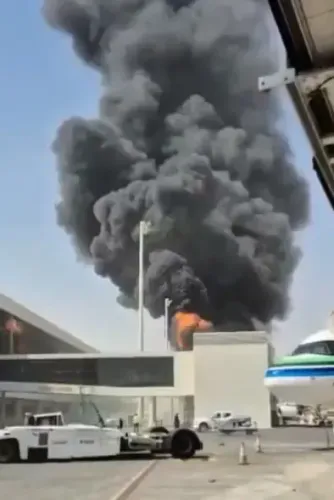
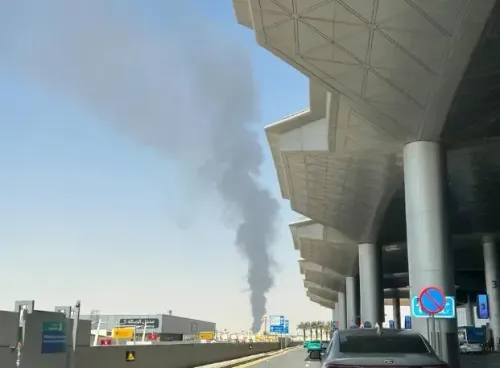
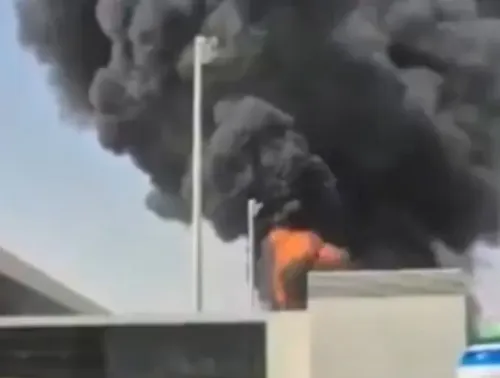
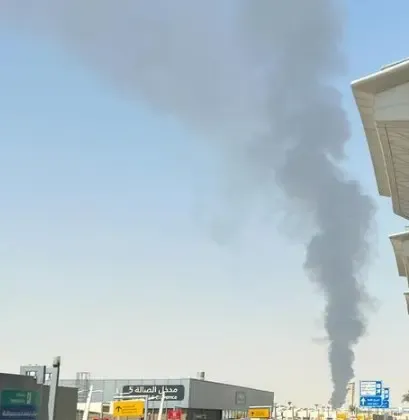
Saturday's strike on King Khalid International Airport in Riyadh killed 12 people and injured over 300 , according to Saudi authorities.
Earlier attacks this week also struck airports in Riyadh and Abha , causing further civilian casualties.
Grundberg warned the escalation 'poses a serious threat to regional security' and complicates Yemen peace efforts.
Coalition airstrikes against Houthi-held areas, including in Taiz province, have simultaneously intensified.
Yemen has been in conflict since 2014 , with the Saudi-led coalition intervening in 2015 on behalf of the recognised government.
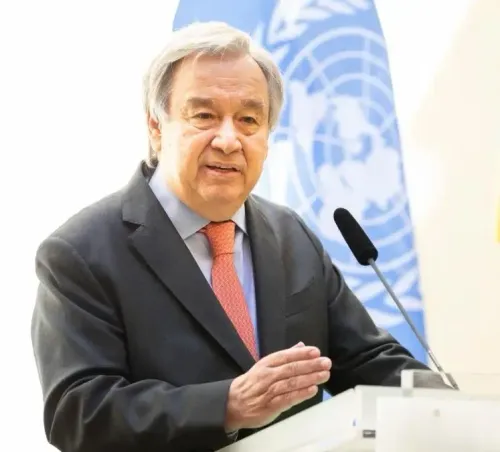
United Nations Special Envoy for Yemen Hans Grundberg on Sunday, 11 October condemned escalating Houthi attacks on civilian infrastructure in Saudi Arabia, warning that the strikes risk destabilising regional security and deepening the stalemate in Yemen's decade-long conflict. The condemnation came in a statement posted on social media platform X.
The Attack on King Khalid International Airport
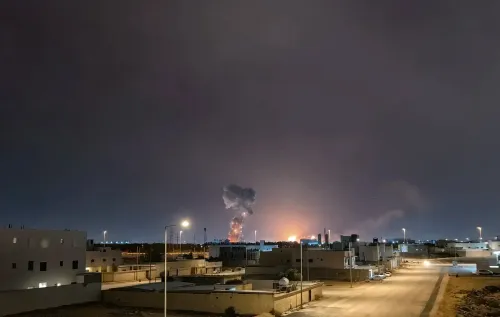
Grundberg specifically cited Saturday's strike on King Khalid International Airport in Riyadh, which killed 12 people and injured more than 300, according to Saudi authorities. The envoy noted that this assault followed earlier attacks this week on airports in Riyadh and the southwestern Saudi city of Abha, both of which also resulted in civilian casualties.
Grundberg's Warning
'These attacks represent a grave escalation,' Grundberg stated, adding that such actions 'pose a serious threat to regional security, perpetuate cycles of violence and complicate even more peace efforts for Yemen.' He renewed his call on the Houthis to immediately cease the attacks and stressed the obligation to respect international humanitarian law, including the prohibition on directing strikes against civilians and civilian infrastructure.
Military Confrontation Intensifies
Grundberg's remarks came as combat escalated on both sides of the Yemen-Saudi border. A military source said on Sunday that airstrikes against Houthi-held areas have grown more intense, with heavy strikes targeting zones in southwestern Taiz province and other parts of Yemen. Fighting has also sharpened in southwestern Yemen, particularly near the strategically critical Bab al-Mandeb Strait, where Yemeni government forces backed by the Saudi-led coalition are engaged in active combat with Houthi fighters.
Background: Yemen's Long-Running Conflict
Yemen has been mired in civil war since late 2014, when the Houthis seized the capital Sanaa and much of northern Yemen. A Saudi-led coalition intervened in 2015 in support of the internationally recognised Yemeni government, which is now based in the southern port city of Aden. Repeated international mediation efforts — including multiple UN-brokered ceasefires — have so far failed to produce a durable political settlement, leaving millions of civilians trapped in what the UN has described as one of the world's worst humanitarian crises.
What Happens Next
The latest escalation threatens to further erode the fragile diplomatic space that Grundberg's office has been working to preserve. With civilian airports now repeatedly targeted and coalition airstrikes intensifying across Yemen, analysts warn that any near-term return to negotiations will require, at minimum, a mutual de-escalation on the ground. The situation at the Bab al-Mandeb Strait — a global shipping chokepoint — adds a significant international dimension to what remains, at its core, a protracted regional proxy conflict.
Point of View
However forceful in language, carries little coercive weight without Security Council follow-through, which remains blocked by geopolitical divisions. The strikes on Riyadh's main gateway airport are not merely a military escalation; they are a direct challenge to Saudi economic confidence, with knock-on effects for Gulf aviation and commerce. Meanwhile, intensifying coalition airstrikes in Taiz and along the Bab al-Mandeb suggest both sides are betting on battlefield leverage rather than the negotiating table — leaving Yemeni civilians, already enduring one of the world's worst humanitarian crises, with yet another cycle of violence to absorb.
NationPress
11 Oct 2026
Frequently Asked Questions
What did the UN envoy say about Houthi attacks on Saudi Arabia?
UN Special Envoy for Yemen Hans Grundberg condemned the attacks as a 'grave escalation', warning they pose a serious threat to regional security and complicate peace efforts in Yemen. He renewed calls on the Houthis to cease strikes on civilian infrastructure and respect international humanitarian law.
What happened at King Khalid International Airport in Riyadh?
A Houthi attack on King Khalid International Airport in Riyadh on Saturday killed 12 people and injured more than 300, according to Saudi authorities. It followed earlier strikes this week on airports in Riyadh and the southwestern Saudi city of Abha.
How long has the Yemen conflict been going on?
Yemen has been embroiled in conflict since late 2014, when the Houthis seized the capital Sanaa and much of northern Yemen. A Saudi-led coalition intervened in 2015 in support of the internationally recognised government, now based in Aden.
Why is the Bab al-Mandeb Strait significant in this conflict?
The Bab al-Mandeb Strait is one of the world's most critical maritime chokepoints, linking the Red Sea to the Gulf of Aden and carrying a significant share of global shipping traffic. Fighting near it between Houthi forces and Saudi-backed Yemeni government troops raises the risk of disruptions to international trade routes.
What is the current military situation on the ground in Yemen?
Military sources say coalition airstrikes on Houthi-held areas — including in southwestern Taiz province — have intensified. Ground fighting has also escalated in southwestern Yemen near the Bab al-Mandeb Strait, complicating any prospect of an imminent ceasefire.