Customs duty cuts on electronics inputs to boost domestic value addition: Industry
Synopsis
India's customs duty cuts on electronics inputs — covering lithium-ion batteries, display assemblies, and wireless charging modules — are more than a tariff tweak. Industry leaders say it signals a deliberate policy shift from assembly-led growth to vertically integrated manufacturing, with a $400 billion electronics market and $103 billion semiconductor opportunity on the line by 2030.
Key Takeaways
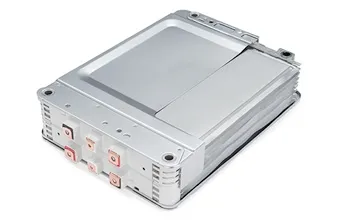
The Centre has rationalised customs duties on inputs for lithium-ion battery cell manufacturing , display assemblies , and wireless charging inductor coil modules .
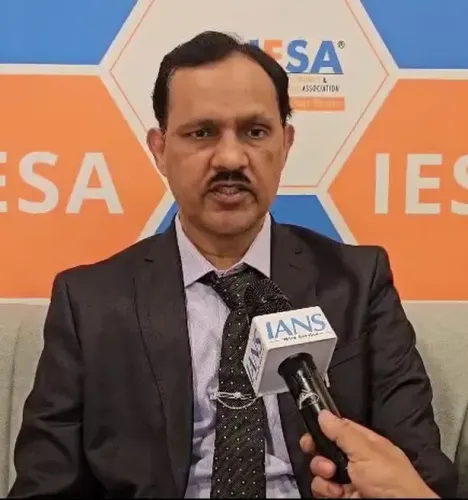
IESA President Ashok Chandak called it 'a strategic investment in India's manufacturing future,' citing lower capital costs and improved project viability.
ICEA Chairman Pankaj Mohindroo welcomed the extension of display assembly duty relief to automotive, medical, and industrial segments.
India's electronics market is projected to exceed $400 billion by 2030 ; semiconductor demand is expected to cross $103 billion in the same period.
The policy complements existing schemes including the Electronics Component Manufacturing Scheme (ECMS) and the Semicon India Programme .
The Centre's decision to rationalise customs duties on capital equipment and critical inputs for electronic goods manufacturing is set to deepen domestic value addition and draw fresh investment into the sector, industry bodies said on Friday, 10 July. The move targets inputs for lithium-ion battery cell manufacturing, display assemblies, and wireless charging inductor coil modules.
What the Duty Rationalisation Covers
Ashok Chandak, President of the India Electronics and Semiconductor Association (IESA), described the relief as 'much more than a customs duty rationalisation,' saying it would lower capital costs, improve project viability, and catalyse investments across the electronics value chain. The policy, he noted, complements existing frameworks such as the Electronics Component Manufacturing Scheme (ECMS) and the Semicon India Programme.
'This is much more than a customs duty rationalisation — it is a strategic investment in India's manufacturing future. The government is enabling higher domestic value addition, improving global competitiveness and making India a more attractive destination for electronics manufacturing investments,' Chandak said.
Display Assemblies: A Broader Scope
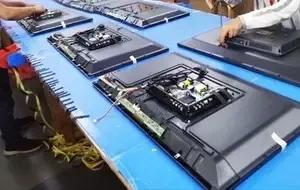
Pankaj Mohindroo, Chairman of the Indian Cellular and Electronics Association (ICEA), welcomed the extension of duty dispensation for display assemblies to cover automotive, medical, and industrial displays — not just consumer electronics. He said this would help build industry verticals in these segments, mirroring the growth trajectory already seen in mobile and consumer electronics display assembly.
The Semiconductor and Battery Opportunity
Industry leaders pointed to a compounding demand dynamic: smartphones, electric vehicles (EVs), telecom systems, medical devices, and energy storage solutions manufactured in India all generate demand for semiconductors. Chandak argued that a stronger component ecosystem today lays the foundation for a stronger semiconductor ecosystem tomorrow.
India's electronics market is projected to exceed $400 billion by 2030, while semiconductor demand is expected to cross $103 billion in the same period. Simultaneously, the country is building a multi-hundred GWh lithium-ion battery manufacturing ecosystem to support rapid growth in electric mobility and energy storage.
From Assembly Hub to Manufacturing Powerhouse
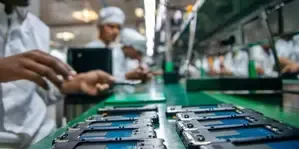
The duty rationalisation is widely seen as a structural step in India's ambition to move beyond an assembly-led model toward globally competitive, vertically integrated electronics manufacturing. Lower duties on manufacturing equipment are expected to improve investment competitiveness and strengthen supply chain resilience — two persistent pain points for the sector. This comes amid intensifying global competition from Vietnam, Mexico, and other low-cost manufacturing destinations vying for supply chains shifting out of China.
With the ECMS and Semicon India Programme already in place, the latest duty relief adds another layer to a policy stack designed to make India a credible alternative in global electronics supply chains. Whether execution matches ambition will depend on how quickly downstream investment follows.
Point of View
ECMS, Semicon India — yet the country remains predominantly an assembler rather than a component manufacturer. The real signal to watch is whether this relief triggers greenfield investment in battery cell and display fabrication, or merely reduces costs for existing assemblers. With Vietnam and Mexico aggressively courting the same supply-chain shifts, India's window is real but not permanent. The government's ability to link duty relief to verifiable domestic value-addition milestones will determine whether this is a structural turning point or another well-intentioned tariff adjustment.
NationPress
9 Oct 2026
Frequently Asked Questions
What customs duties has the Indian government rationalised for electronics?
The Centre has rationalised duties on inputs for lithium-ion battery cell manufacturing, display assemblies, and wireless charging inductor coil modules. The move is aimed at lowering capital costs and deepening domestic value addition in the electronics sector.
Why does this duty rationalisation matter for India's electronics industry?
It matters because India's electronics market is projected to exceed $400 billion by 2030, with semiconductor demand expected to cross $103 billion. Reducing input costs improves project viability and makes India more competitive against manufacturing hubs like Vietnam and Mexico.
Which industry bodies have responded to the duty rationalisation?
The India Electronics and Semiconductor Association (IESA) and the Indian Cellular and Electronics Association (ICEA) have both welcomed the move. IESA President Ashok Chandak and ICEA Chairman Pankaj Mohindroo issued statements praising the policy direction.
How does the display assembly duty relief expand existing dispensations?
The duty dispensation for display assemblies has been broadened beyond mobile and consumer electronics to include automotive, medical, and industrial displays. ICEA Chairman Pankaj Mohindroo said this would help build new industry verticals in these segments.
How does this fit into India's broader semiconductor and battery strategy?
The duty relief complements the Electronics Component Manufacturing Scheme (ECMS) and the Semicon India Programme. Industry leaders argue that a stronger component ecosystem — batteries, displays, wireless modules — directly supports demand for semiconductors and advances India's transition from an assembly-led to a manufacturing-led electronics economy.