CM Majhi marks 2 years of revenue reforms and disaster resilience in Odisha
Synopsis
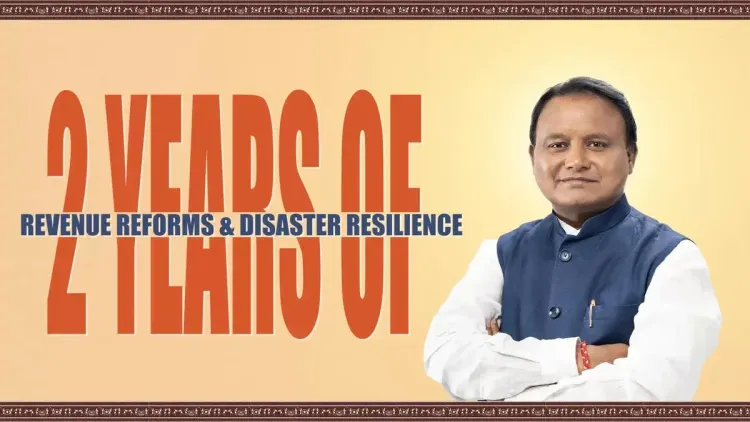
Odisha Chief Minister Mohan Charan Majhi marked two years of his BJP government on 10 July 2026, citing faster revenue services, a Zero Casualty disaster model, digital reforms, and BRICS recognition, while invoking Odia Asmita as a unifying theme of his administration.
Key Takeaways
CM Mohan Charan Majhi marked two years of his government on 10 July 2026 with a post highlighting governance milestones.
The administration claims revenue services have been made faster, simpler, and more accessible through digital reforms.
Odisha's Zero Casualty disaster-response model was cited as a key achievement, building on the state's post- 1999 Super Cyclone preparedness framework.
The government referenced recognition at the BRICS platform, positioning Odisha as a model for climate-resilient governance.
The BJP formed its first government in Odisha in June 2024 , ending 24 years of BJD rule.
The messaging paired functional reform claims with an invocation of Odia Asmita , consistent with BJP state-government communication patterns across India .
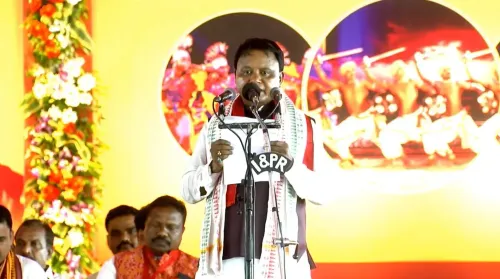
Odisha Chief Minister Mohan Charan Majhi on Friday, 10 July 2026 marked two years of his government by highlighting reforms in revenue services, disaster management, and cultural identity, saying the administration has made services 'faster, simpler and closer to the people' while strengthening the state's disaster resilience.
Context
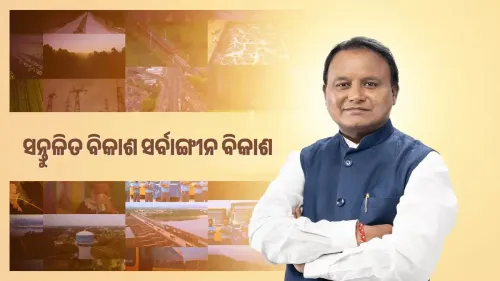
Posting under the hashtags #2YearsofLokankaSarakar and #2YearsOfRevenueReforms, CM Majhi outlined what his government considers its defining achievements since taking office in June 2024. The post cited digital reforms, grassroots governance, a Zero Casualty disaster-response model, and recognition at the BRICS platform as pillars of the administration's record. The message also invoked Odia Asmita — a phrase meaning Odia pride or identity — framing governance outcomes within a broader cultural assertion.
The BJP formed its first-ever government in Odisha after the 2024 assembly elections, ending 24 years of Biju Janata Dal rule. The two-year mark is being used by the administration to contrast its tenure with the previous government and to signal continuity of reform momentum.
Policy Backdrop
Odisha's emphasis on Zero Casualty disaster response is rooted in hard lessons from the devastating 1999 Super Cyclone, which killed over 10,000 people. Subsequent investments in early-warning systems, evacuation infrastructure, and community preparedness — reinforced by national frameworks from the National Disaster Management Authority after 2005 — have made the state a reference point for coastal disaster management in India.
The revenue digitisation push aligns with the national Digital India programme launched in 2015 and earlier land-record computerisation drives. State-level revenue services — covering land records, mutation, and citizen certificates — have historically been among the most bureaucracy-heavy touchpoints for ordinary residents, making their digitisation a high-visibility reform signal.
Stakeholders and Impact
The reforms as described primarily affect Odisha's coastal and rural communities, who interact most frequently with revenue services and face recurring cyclone and flood risks. Faster, digitised revenue services reduce the need for in-person visits to government offices, a change of particular significance for residents in remote or flood-prone areas.
The reference to BRICS recognition, if substantiated, would position Odisha as a model for climate-resilient governance among major emerging economies — a reputational asset the state government is clearly keen to project. Emphasis on Odia Asmita alongside functional reforms reflects a pattern seen in BJP-governed states of pairing administrative delivery with cultural identity messaging.
What's Next
The government's stated direction points toward further rollout of revenue-digitisation modules and continued investment in disaster-preparedness infrastructure. Upcoming BRICS or NDMA-related forums could serve as platforms for Odisha to formally present its resilience model to a wider audience.
Whether the anniversary messaging translates into measurable policy announcements — or remains largely communicative — will be watched by governance observers and the state's coastal communities, who remain on the frontline of India's most severe cyclone corridors.
Point of View
Bundling administrative reforms with disaster preparedness credentials and cultural identity — a formula that has proven effective for BJP state governments seeking to consolidate first-term legitimacy. The invocation of BRICS recognition elevates a state-level achievement to an international register, lending the administration a cosmopolitan sheen that goes beyond routine anniversary messaging. The emphasis on Odia Asmita alongside functional delivery signals that the government is simultaneously courting technocratic approval and regional sentiment — a dual-track strategy that mirrors the national party's broader electoral playbook. Whether the reform claims hold up to independent scrutiny will determine if this messaging becomes a durable political asset heading into the second half of the term.
NationPress
9 Oct 2026
Frequently Asked Questions
What has Odisha CM Mohan Majhi achieved in two years?
According to CM Majhi's own account, his government's two-year record includes faster and digitised revenue services, a Zero Casualty disaster-response model, grassroots governance initiatives, and recognition at the BRICS platform, alongside an emphasis on Odia cultural identity.
What is Odisha's Zero Casualty disaster response model?
Odisha's Zero Casualty approach aims to evacuate all at-risk residents before cyclones or floods make landfall, using early-warning systems and pre-positioned infrastructure. The model evolved from lessons learned after the 1999 Super Cyclone and has been refined through successive disaster events.
When did the BJP come to power in Odisha?
The BJP formed its first government in Odisha in June 2024 after winning the state assembly elections, ending 24 consecutive years of Biju Janata Dal rule under Naveen Patnaik.
What does Odia Asmita mean?
'Odia Asmita' translates broadly as Odia pride or Odia identity, referring to the cultural, linguistic, and historical distinctiveness of Odisha and its people. The term is frequently used in political discourse in the state.
What are Odisha's revenue service reforms about?
Revenue service reforms in Odisha focus on digitising land records, mutation processes, and citizen-facing certificates to reduce in-person visits to government offices. These build on the national Digital India programme and earlier land-record computerisation efforts.