EEPC India urges RBI to create separate credit rating system for MSMEs
Synopsis
EEPC India has asked the Centre to scrap the one-size-fits-all credit rating yardstick that lumps small manufacturers with Tata Steel and JSW. The body wants RBI to build a peer-benchmarked framework — a structural fix that could finally lower collateral demands for India's ₹46 lakh crore MSME credit base.
Key Takeaways
EEPC India proposed a separate credit rating system for MSMEs in a letter to the Ministry of MSME on 3 June .
Chairman Pankaj Chadha said MSMEs are unfairly benchmarked against giants like JSW and Tata Steel .
MSME credit exposure rose to ₹46 lakh crore in April 2026 , up 12.8% year-on-year, per CRIF High Mark .
The sector contributes nearly one-third of manufacturing output and 45% of merchandise exports.
EEPC has urged the RBI to set size-appropriate parameters for MSME ratings.
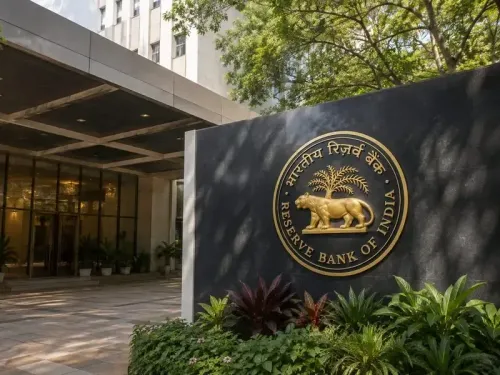
Engineering exporters' body EEPC India on Wednesday, 3 June urged the Centre to establish a dedicated credit rating framework for micro, small and medium enterprises (MSMEs), arguing that current benchmarks unfairly pit small units against industry giants. The proposal, sent in a formal letter to the Ministry of MSME, calls on the Reserve Bank of India (RBI) to design parameters tailored to the size and operational realities of smaller firms.
What EEPC India has proposed
In the letter, EEPC India Chairman Pankaj Chadha said a peer-benchmarked rating mechanism would give Indian MSMEs ‘due recognition', help them access cheaper credit, and lift their competitiveness in global markets. The body flagged that many MSMEs struggle to secure investment-grade ratings from external agencies because they are measured against sector leaders rather than firms of similar size.
‘As a consequence of having a sub-investment grade rating, MSMEs find it pretty tough to get loans from banks, as they need to pay much higher collateral than those with an investment grade rating,' Chadha said in the letter.
The steel sector analogy
Citing the steel industry, the statement noted that small MSME units are routinely compared with majors such as JSW or Tata Steel — a yardstick that distorts risk assessment.
‘To ensure a fair competition, it is recommended that the RBI should develop a completely separate system for rating MSMEs only, and these MSME units must be benchmarked against their peers who belong to the same bandwidth,' Chadha noted. He added that the RBI may need to set separate parameters that account for the size and the peculiar nature of MSME operations.
Why MSMEs matter to the economy
The MSME sector forms the backbone of the Indian economy, contributing nearly one-third of manufacturing output and around 45% of merchandise exports. A weaker credit profile for these units therefore has outsized consequences for India's industrial and export base.
Credit exposure trends
India's MSMEs have remained resilient despite global geopolitical uncertainties, with credit exposure climbing to about ₹46 lakh crore in April 2026, according to a recent report by credit bureau CRIF High Mark. Overall credit exposure in the segment rose 12.8% year-on-year, supported by asset-quality gains and diversified geographic and sectoral participation.
The resilience, the report said, has been underpinned by strong domestic demand, sustained policy support, and broader credit participation across lenders.
What happens next
The ball is now in the Ministry of MSME and RBI's court. If accepted, a peer-grouped rating regime could reshape how banks price collateral and interest for India's smallest manufacturers — a structural lever that has been debated for years but never operationalised.
Point of View
Not the lakhs of small units that anchor manufacturing and exports. Benchmarking a tier-3 fabricator against Tata Steel isn't just unfair — it inflates collateral demands and chokes formal credit, pushing MSMEs toward informal lenders. Yet a peer-grouped regime is only as good as its data infrastructure; without granular sectoral and geographic comparables, ‘peer benchmarking' risks becoming another label. The real test is whether the RBI is willing to absorb that operational lift.
NationPress
17 Oct 2026
Frequently Asked Questions
What has EEPC India proposed to the government?
EEPC India has proposed a separate credit rating system for MSMEs, urging the RBI to benchmark them against peers of similar size rather than industry giants. The proposal was sent in a letter to the Ministry of MSME on 3 June.
Why do MSMEs struggle with current credit ratings?
MSMEs are typically rated by external agencies against industry leaders, which results in sub-investment grade scores. This forces them to put up higher collateral and pay steeper interest rates than larger competitors.
How big is India's MSME credit exposure?
MSME credit exposure rose to about ₹46 lakh crore in April 2026, growing 12.8% year-on-year, according to a CRIF High Mark report. The growth has been supported by strong domestic demand and improved asset quality.
What share of the economy do MSMEs account for?
MSMEs contribute nearly one-third of India's manufacturing output and around 45% of merchandise exports. The sector is widely described as the backbone of the Indian economy.
What happens next on the EEPC proposal?
The Ministry of MSME and the RBI will need to evaluate the proposal. If adopted, it would require building peer-grouped benchmarks and tailored parameters for MSME ratings — a process that could take months to operationalise.