How is the Electronics Industry Responding to the Union Budget 2026-27?
Synopsis
The Union Budget 2026-27 has garnered applause from the electronics industry for its steady and inclusive policies aimed at boosting manufacturing and technology in India. Key initiatives include the India Semiconductor Mission 2.0 and enhanced funding for the Electronics Component Manufacturing Scheme, signaling a strong commitment to building resilient supply chains.
Key Takeaways
Steady and inclusive approach in Union Budget 2026-27.
Focus on electronics manufacturing and technology.
Launch of India Semiconductor Mission (ISM) 2.0 .
Enhanced funding for Electronics Component Manufacturing Scheme .
Tax holiday for foreign companies using India-based data centers.
New Delhi, Feb 1 (NationPress) On Sunday, the industry expressed its appreciation for the Union Budget 2026–27, which champions a consistent and inclusive strategy, enhancing India’s manufacturing and technology landscape through policy continuity, scale, and targeted reforms.
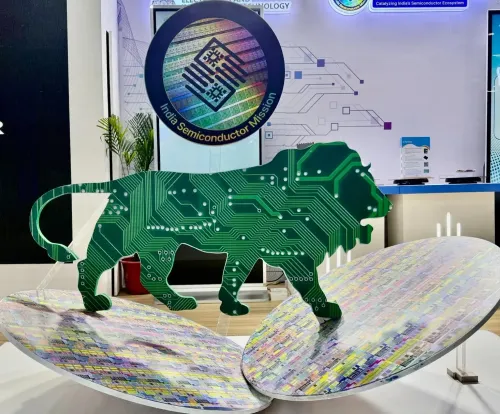
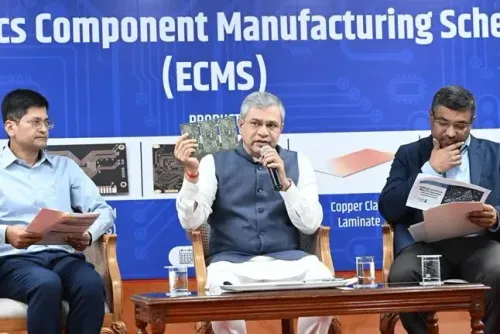
The ongoing emphasis on electronics manufacturing, the introduction of the India Semiconductor Mission (ISM) 2.0, and the substantial augmentation of the Electronics Component Manufacturing Scheme (ECMS) affirm the government’s enduring commitment to developing robust domestic supply chains and bolstering India’s role in global value chains, stated the ICEA, the electronics industry body.
ICEA further applauded the declaration of a tax exemption period until 2047 for foreign firms providing global cloud services through India-based data centers, calling it a forward-thinking initiative that offers long-term policy assurance.
“The Budget 2026–27 emphasizes the government’s dedication to manufacturing-led growth, especially in electronics and semiconductors, through continuity, scale, and targeted reforms. Initiatives like the expansion of ECMS, support for ISM 2.0, and enduring incentives for cloud and data infrastructure convey a potent message of strategic intent and policy stability,” remarked Pankaj Mohindroo, Chairman of ICEA.
The remarkable surge in mobile manufacturing has evidently showcased the potential of bold and consistent policy actions, he added.
Ashok Chandak, President of IESA, commented that the Finance Minister’s remarks regarding ISM 2.0 signal a pivotal moment for India’s semiconductor aspirations.
“It signifies a clear transition from a fab-centric model to a comprehensive value-chain strategy, encompassing equipment, materials, Indian IP, and supply-chain resilience (including chemicals, gases, materials, etc.). This is vital for India to evolve from being a mere participant to a significant player in the global semiconductor arena,” he stated.
The industry also welcomed the notable escalation of the ECMS to Rs 40,000 crore.
The support for the semiconductor and electronics sectors mentioned in the Union Budget is a direct outcome of MeitY’s persistent and focused collaboration with the industry to transition from vision to execution.
Pankaj Chadha, Chairman of EEPC India, noted that the Budget 2026-27 continues the government’s emphasis on infrastructure development, reforms, and local manufacturing, with additional strategies to uplift the MSME sector.
Several key proposals were included in the Union Budget, such as the establishment of the Rs 10,000 crore SME Growth Fund, the Scheme for Container Manufacturing, and the creation of dedicated rare earth corridors.
“Overall, the Budget is growth-oriented and aims to deliver a substantial boost to local manufacturing,” commented Chadha.
Paritosh Prajapati, CEO of GX Group, stated that the government's shift from intent to execution is evident in the increased funding for the ECMS, rising from Rs 22,919 crore to Rs 40,000 crore.
“The focus has expanded beyond merely assembling finished products to developing a robust component ecosystem, crucial amidst today’s fragmented global supply chains,” Prajapati emphasized. This increased allocation will significantly benefit the production of high-value and essential components such as PCBs, power electronics, RF and optical subsystems, semiconductor-adjacent packaging and testing, passive components, precision parts, and strategic materials related to rare earths.
Point of View
The Union Budget 2026-27 presents a balanced approach to economic growth, particularly in the electronics and semiconductor sectors. By prioritizing local manufacturing and technological innovation, the government is positioning India to capitalize on emerging opportunities in the global market. This strategy not only supports economic resilience but also enhances India's competitiveness on an international scale.
NationPress
30 Sept 2026
Frequently Asked Questions
What are the key highlights of the Union Budget 2026-27?
The Union Budget 2026-27 focuses on enhancing manufacturing and technology in India, with significant initiatives like the India Semiconductor Mission 2.0 and increased funding for the Electronics Component Manufacturing Scheme.
How does the budget affect foreign companies?
The budget includes a tax holiday until 2047 for foreign companies offering global cloud services using India-based data centers, providing long-term policy certainty.
What is the significance of the Electronics Component Manufacturing Scheme?
The Electronics Component Manufacturing Scheme has been significantly enhanced to Rs 40,000 crore, crucial for developing a robust component ecosystem in India.
What does the budget signal for India's semiconductor ambitions?
The budget marks a shift from a fab-centric approach to a full value-chain strategy, essential for India’s growth in the global semiconductor ecosystem.
How does this budget support MSMEs?
The budget includes additional measures aimed at boosting the MSME sector, highlighting the government’s commitment to local manufacturing and infrastructure development.