UPI MDR on high-value transactions a sound move, needs sustainable model: Ex-RBI official

Synopsis
A former RBI insider has broken ranks with critics to openly back MDR charges on high-value UPI transactions — arguing the move is less about fiscal relief and more about building a payments infrastructure that can actually sustain itself. With cybersecurity costs rising and capital investment flagging, the zero-MDR model may have reached its limits.
Key Takeaways
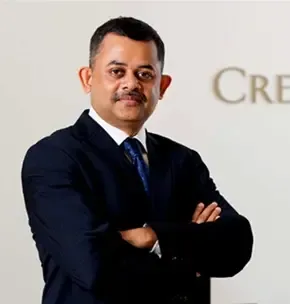
Padmanabhan , former RBI Executive Director and ex-Chairman of Bank of India , backed MDR charges on high-value UPI transactions at Global Fintech Fest 2026 in Mumbai .
He argued the move would make the digital payments ecosystem more transparent and financially sustainable , not weaker.
Small-value UPI transactions will remain free for users under the proposed framework.
Padmanabhan rejected the view that reducing the government's reimbursement burden is the primary motivation, calling it a minor component of overall government finances.
He flagged rising cybersecurity threats and the need for viable returns on capital as the core case for monetisation.
On monetary policy, he said the RBI's forward guidance on rate hikes reflects its assessment of inflationary risks , consistent with global central bank trends.
G. Padmanabhan, former Executive Director of the Reserve Bank of India (RBI) and former Chairman of Bank of India, on Thursday said that the Unified Payments Interface (UPI) requires a sustainable revenue model to fund continued investments in technology, cybersecurity, and infrastructure. Speaking at the Global Fintech Fest 2026 in Mumbai, he backed the proposed levy of Merchant Discount Rate (MDR) charges on high-value UPI transactions as a step toward a more financially viable digital payments ecosystem.
Why Padmanabhan Supports MDR on High-Value UPI Transactions
Padmanabhan expressed clear personal support for introducing MDR charges on select UPI transactions, arguing that the move would enhance transparency rather than undermine the platform. 'I personally do not think so. I think I have written an article where I support this change. According to me, this will make the system much more transparent than it is today,' he said when asked whether MDR charges could weaken UPI.
He clarified that small-value transactions would continue to remain free for end users, in line with the government's stated position. The proposed changes, he argued, would ultimately reinforce the UPI ecosystem rather than erode it.
Reimbursement Burden Not the Primary Driver
Padmanabhan pushed back against the narrative that the government's motivation for introducing charges is primarily to reduce its own reimbursement burden. He noted that the government's UPI reimbursement outlay represents only a minor share of its overall finances, and that framing the debate around fiscal savings misses the larger structural issue.
The more pressing concern, he said, is the need for continuous capital investment in upgrading technology and security infrastructure. 'The system has been telling the Reserve Bank and the government that there are costs to this, developments will have to happen, we will have to continuously upgrade our security systems because of cyber security issues and things like that, we need capital,' he said.
Cybersecurity Costs and the Case for Viable Returns
Padmanabhan underscored that the digital payments sector faces mounting cybersecurity threats that demand ongoing investment. He argued that without a viable return on capital, attracting private investment into payment infrastructure becomes increasingly difficult — a risk that could compromise the long-term resilience of India's digital payments stack.
This comes amid a broader global reckoning with the costs of zero-MDR regimes. India's UPI, which processes billions of transactions monthly, has long operated without direct charges on most transactions, with the government compensating payment service providers through reimbursement schemes. Critics of the status quo argue this model is structurally unsustainable at scale.
RBI's Rate Guidance Reflects Inflation Vigilance
On the RBI Monetary Policy Committee's latest minutes and signals of a possible rate hike in forthcoming policy reviews, Padmanabhan said the central bank's forward guidance is a direct reflection of its reading of inflationary risks in the economy.
He contextualised the RBI's stance within a global trend, noting that central banks worldwide have been reassessing interest rate trajectories in response to shifting economic conditions. 'The Reserve Bank comes out with an opinion based on what they see in the economy. If they see possibilities of inflation, they give a forward guidance saying that this is possible,' he said.
With the Global Fintech Fest 2026 drawing policymakers, regulators, and industry leaders, Padmanabhan's remarks are likely to add fresh momentum to the ongoing debate over UPI's long-term monetisation framework — a question that will shape the future of India's ₹200-lakh-crore-plus digital payments market.
Point of View
Not a solution. The real question is whether MDR, once introduced on high-value transactions, stays confined there — or whether it becomes the thin end of a wedge that eventually reaches everyday users.
NationPress
5 Oct 2026
Frequently Asked Questions
What is MDR and why is it being proposed for UPI transactions?
Merchant Discount Rate (MDR) is a fee charged to merchants for processing digital payments. It is being proposed for high-value UPI transactions to create a sustainable revenue stream that funds technology upgrades, cybersecurity investments, and infrastructure maintenance for India's digital payments ecosystem.
Will UPI charges affect everyday users and small transactions?
No, according to the government's stated position as cited by Padmanabhan. Small-value UPI transactions will continue to be free for end users. The proposed MDR charges are targeted at high-value transactions only.
Why does G. Padmanabhan support MDR charges on UPI?
Padmanabhan supports the change because he believes it will make the digital payments system more transparent and financially viable. He argues that continuous investment in security and technology requires a viable return on capital, which the current zero-MDR model does not provide.
Is the government trying to reduce its UPI reimbursement burden through MDR?
Padmanabhan rejected this framing, stating that the government's UPI reimbursement outlay is only a small component of its overall finances. He argued the primary driver is the need for sustainable capital investment in payments infrastructure, not fiscal savings.
What did Padmanabhan say about the RBI's interest rate guidance?
He said the RBI's forward guidance on a possible rate hike reflects its assessment of inflationary risks in the economy. He placed this in a global context, noting that central banks worldwide are reassessing interest rate paths in response to current economic conditions.