UPI MDR framework to sustain digital payments growth, says ASSOCHAM
Synopsis
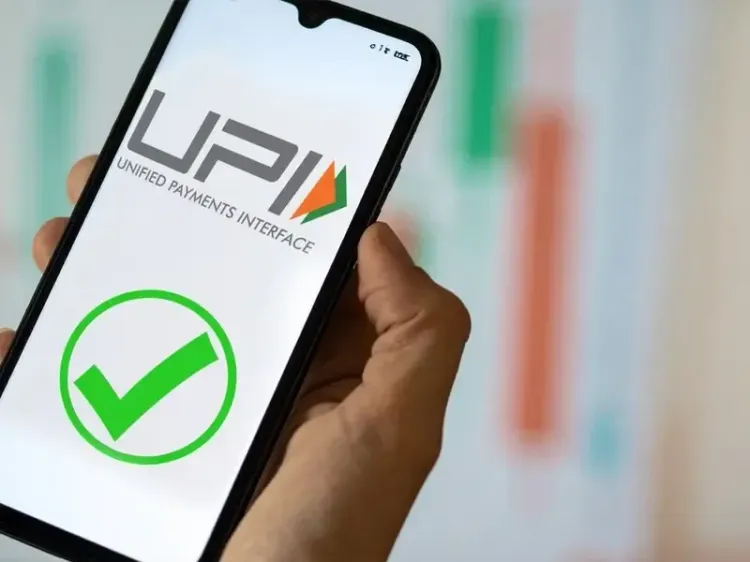
India's new UPI MDR framework has drawn industry backing from ASSOCHAM, which argues it will sustain the digital payments ecosystem without burdening consumers. With 96% of merchant transactions untouched and consumer UPI payments free until 2030, the real question is whether the framework can finally resolve the long-running tension between free access and financial viability for banks and payment networks.
Key Takeaways
ASSOCHAM endorsed the calibrated UPI MDR framework on 16 September 2026 , calling it key to long-term digital payments sustainability.
96 per cent of merchant transactions remain unaffected under the framework.
UPI payments for consumers will remain free, with no charges on person-to-person transactions.
MDR applies only to merchant transactions above ₹2,000 and cannot be passed on to customers.
P2M transactions below ₹2,000 continue to be free for merchants.
Indo Wings CEO Paras Jain flagged potential impact on small businesses operating on thin margins.
A newly introduced calibrated Merchant Discount Rate (MDR) framework for large-value UPI merchant transactions is set to reinforce the long-term sustainability of India's digital payments ecosystem, according to industry body ASSOCHAM. The body made its position clear on Wednesday, 16 September 2026, emphasising that the framework would also support continued investment in technology and payment infrastructure.
What the Framework Covers
ASSOCHAM President Nirmal K. Minda said the framework would enable the UPI ecosystem to keep scaling and serve consumers and businesses across the country. The body added that the structure provides for a fair distribution of MDR among ecosystem participants, which could support wider UPI acceptance, expand the customer base, and sustain growth in transaction volumes.
Crucially, ASSOCHAM clarified that UPI transactions will remain free for users. Person-to-merchant (P2M) transactions below ₹2,000 will also continue to be free for merchants. According to the industry body, approximately 96 per cent of merchant transactions would remain unaffected under the framework, ensuring continued access to affordable digital payments for most businesses.
Industry Voices: Separating Consumer and Merchant Charges
Indo Wings CEO Paras Jain, speaking from Noida, stressed the importance of distinguishing between consumer charges and MDR applicable to certain merchant transactions. He noted that person-to-person UPI transactions attract no charges, and that UPI payments for consumers will remain free through 2030.
Jain explained that MDR applies only to certain merchant transactions above ₹2,000, and that the charge is borne by the merchant — it cannot be passed on to customers as an additional fee. He acknowledged, however, that the framework could have some impact on small businesses, particularly merchants operating on thin margins.
The Case for Economic Sustainability
Jain also underscored that maintaining a fast, secure, and convenient digital payment infrastructure such as UPI carries real costs. He stressed the need to ensure the economic sustainability of the broader UPI ecosystem so that the facility remains secure, accessible, and convenient for consumers over the long term.
This comes amid ongoing debate in India's fintech sector about how to balance free access for end-users with the financial viability of payment networks. UPI has grown into one of the world's largest real-time payment systems, processing billions of transactions monthly, but the absence of a revenue model has long been flagged as a structural concern by banks and payment aggregators.
Broader Impact on Digital Infrastructure
ASSOCHAM said the MDR framework would support UPI's continued growth while strengthening investment in technology, payment acceptance networks, and digital infrastructure. The body argued that this would enable the system to expand its reach and foster further innovation, particularly in underserved markets.
How the framework is implemented — and whether it generates sufficient revenue to sustain the ecosystem without burdening small merchants — will be closely watched by the fintech industry in the months ahead.
Point of View
But industry body backing alone does not resolve the fundamental tension at the heart of India's digital payments model. UPI became a global benchmark precisely because it was free — and any revenue layer, however calibrated, risks chilling adoption among the small merchants who drove that scale. The '96 per cent unaffected' figure is reassuring, but the 4 per cent above the ₹2,000 threshold includes high-frequency retail categories where thin margins matter most. What's missing from the current conversation is independent data on how much revenue the framework actually generates versus the cost of ecosystem maintenance — without that, the sustainability argument remains largely asserted rather than demonstrated.
NationPress
16 Sept 2026
Frequently Asked Questions
What is the UPI MDR framework announced in India?
The UPI MDR (Merchant Discount Rate) framework is a calibrated charge structure applied to large-value UPI merchant transactions, specifically those above ₹2,000. It is designed to ensure the long-term financial sustainability of India's digital payments ecosystem by distributing costs among ecosystem participants, while keeping consumer payments free.
Will UPI payments become expensive for consumers?
No. UPI payments for consumers will remain free, and person-to-person transactions attract no charges whatsoever. According to Indo Wings CEO Paras Jain, UPI payments for consumers will stay free through 2030.
How does the MDR framework affect merchants?
MDR applies only to person-to-merchant transactions above ₹2,000, and the charge is borne by the merchant — it cannot be passed on to customers as an additional fee. Around 96 per cent of merchant transactions fall below this threshold and remain completely unaffected.
Why is the MDR framework considered necessary?
Maintaining a fast, secure, and scalable digital payment system like UPI involves significant infrastructure costs. Without a revenue model, banks and payment aggregators have struggled to fund ongoing investment in technology and payment acceptance networks, raising concerns about long-term viability.
What concerns have been raised about the framework?
Indo Wings CEO Paras Jain acknowledged that the framework could impact small businesses, particularly merchants operating on thin margins. Critics in the fintech sector have long argued that any cost layer risks discouraging UPI adoption in underserved and low-margin retail segments.