India eyes wider use of ship recycling steel across industries
Synopsis
Two Union ministers co-chaired a rare cross-ministry meeting to push recycled ship steel into more industrial sectors. With Alang-Sosiya handling 97% of India's ship recycling and the sector already reducing import dependence on ferrous scrap, the government is betting that closing the loop between end-of-life ships and domestic manufacturing could become a meaningful pillar of India's decarbonisation and Atmanirbhar Bharat strategies.
Key Takeaways
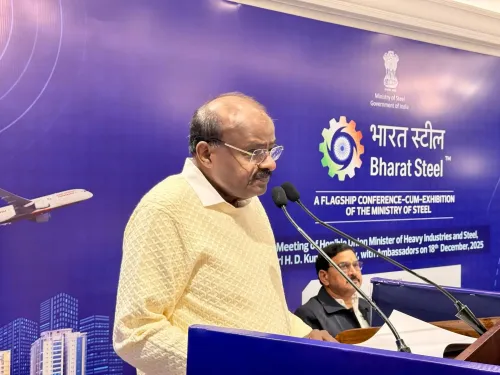
Kumaraswamy and Shipping Minister Sarbananda Sonowal jointly chaired a meeting on 16 September 2026 on expanding recycled ship steel use.
Key participants included the DST , BIS , Gujarat Maritime Board , and Ship Recycling Industries Association .
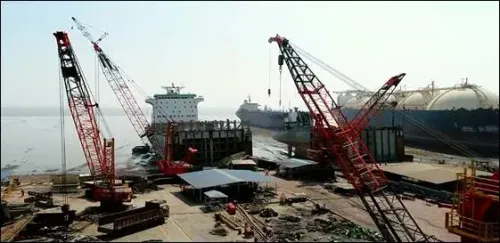
The Alang-Sosiya cluster in Gujarat accounts for approximately 97 per cent of India's ship recycling activity and is the world's largest such hub.
Recycled ship steel reduces energy consumption and greenhouse gas emissions compared to primary steel production.
The initiative is positioned to support Make in India , Atmanirbhar Bharat , and India's broader decarbonisation objectives.
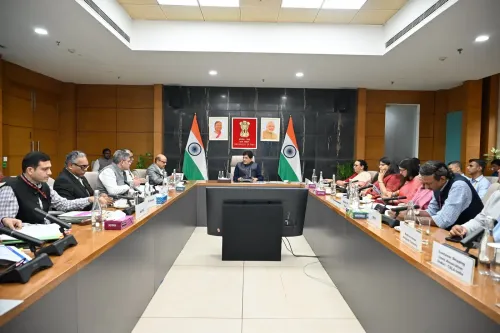
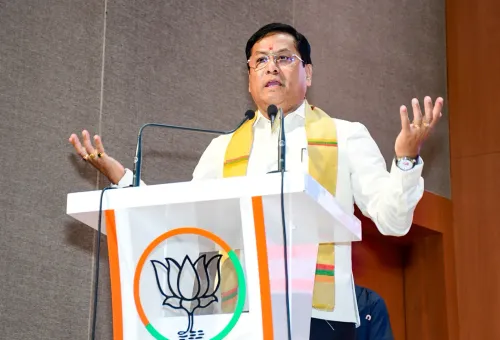
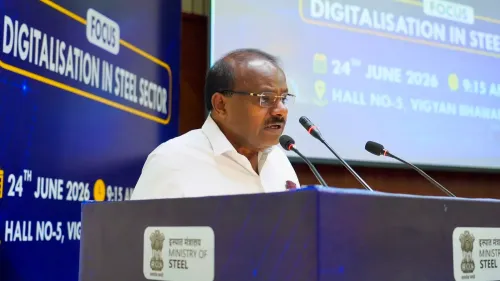
The Union government on Wednesday, 16 September 2026, convened a high-level joint meeting to explore expanding the industrial application of secondary steel derived from ship recycling. The meeting was chaired jointly by Steel and Heavy Industries Minister H.D. Kumaraswamy and Ports, Shipping, and Waterways Minister Sarbananda Sonowal, signalling coordinated policy intent across two key ministries.
What the Meeting Discussed
According to an official statement, discussions centred on 'expanding the application of recycled ship steel to additional sectors, with a view to enhancing value generation from ship recycling and reinforcing India's position as the world's leading ship recycling hub.' The meeting brought together key institutional stakeholders, including the Department of Science and Technology (DST), the Bureau of Indian Standards (BIS), the Gujarat Maritime Board (GMB), and the Ship Recycling Industries Association (SRIA), to review the existing regulatory framework and identify avenues for broader usage of recycled ship steel.
Why Ship Recycling Steel Matters
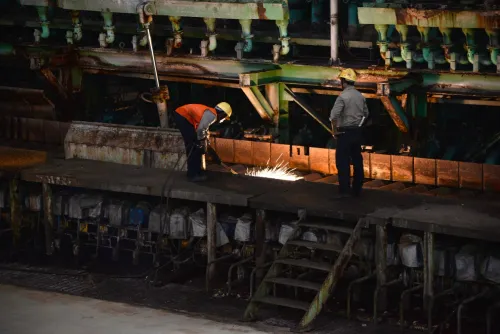
Ship recycling contributes significantly to India's domestic availability of ferrous scrap, reducing dependence on imported raw materials and strengthening supply security for the steel sector. From an environmental standpoint, producing recycled steel requires substantially less energy than primary steel manufacturing and generates lower greenhouse gas emissions — directly supporting India's decarbonisation commitments.
Economically, the sector sustains large-scale direct employment and anchors an ecosystem of ancillary industries, including transport operators, re-rolling mills, equipment suppliers, and waste management services. Officials noted that the industry also aligns with national initiatives such as Make in India and Atmanirbhar Bharat by connecting end-of-life ship management with domestic manufacturing chains.
Alang-Sosiya: The World's Largest Hub
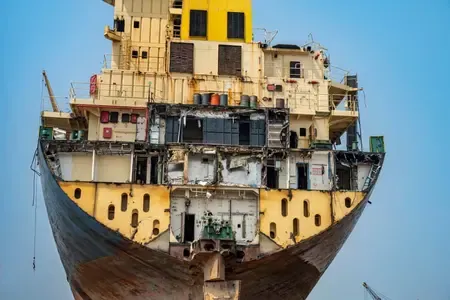
India is already among the foremost ship recycling nations globally. The Alang-Sosiya ship recycling cluster in Gujarat accounts for approximately 97 per cent of the country's total ship recycling activity, making it the single largest such hub in the world. The cluster forms the operational backbone of India's recycling capacity and is central to any strategy that seeks to maximise the downstream value of recycled steel.
Environmental and Regulatory Dimensions
Regulated ship recycling also serves a critical environmental function: it prevents unsafe disposal of end-of-life vessels, mitigates marine and coastal pollution risks, and ensures responsible handling of hazardous materials under strict regulatory supervision. This positions India's recycling industry as both an industrial asset and an environmental compliance leader, the official statement underscored.
What Comes Next
The government's stated objective is to promote circular economy practices, support domestic steel manufacturing, and ensure that India's ship recycling sector continues to set global benchmarks in sustainability and efficiency. With two senior ministers personally co-chairing the consultation, the push to mainstream recycled ship steel into a wider set of industrial applications appears set to accelerate in the months ahead.
Point of View
Infrastructure, or defence supply chains, the import bill for ferrous scrap could fall meaningfully. The missing piece is a mandatory-use or preference framework — without one, voluntary sectoral adoption tends to stall at intent. Whether BIS standardisation leads to procurement mandates, rather than just quality benchmarks, will determine if this meeting translates into measurable circular economy gains or remains another consultative exercise.
NationPress
16 Sept 2026
Frequently Asked Questions
What was decided at the India ship recycling steel meeting on 16 September 2026?
A joint meeting chaired by Steel Minister H.D. Kumaraswamy and Shipping Minister Sarbananda Sonowal examined expanding the use of secondary steel from ship recycling into additional industrial sectors. The meeting reviewed the existing regulatory framework and explored avenues to enhance value generation from the recycling chain.
Why is Alang-Sosiya significant for India's ship recycling industry?
The Alang-Sosiya cluster in Gujarat is the world's largest ship recycling hub and accounts for approximately 97 per cent of India's total ship recycling activity. It forms the operational backbone of any national strategy to maximise the downstream value of recycled ship steel.
How does recycled ship steel benefit India's economy and environment?
Recycled ship steel reduces India's dependence on imported ferrous scrap, strengthening raw material supply security for the steel sector. It also requires significantly less energy to produce than primary steel and generates lower greenhouse gas emissions, supporting India's decarbonisation commitments.
Which government bodies participated in the ship recycling steel meeting?
The meeting included representatives from the Department of Science and Technology (DST), the Bureau of Indian Standards (BIS), the Gujarat Maritime Board (GMB), and the Ship Recycling Industries Association (SRIA), alongside the two co-chairing ministries.
How does ship recycling connect to Make in India and Atmanirbhar Bharat?
Officials linked the initiative to both programmes by framing end-of-life ship management as a feedstock for domestic manufacturing, reducing import dependence on ferrous scrap and creating employment across ancillary industries such as re-rolling mills, transport, and waste management.