FSSAI proposes nationwide ban on analogue paneer manufacturing and sale
Synopsis
India's top food regulator has proposed a nationwide ban on analogue paneer — products made from vegetable oil masquerading as dairy — backed by state-level evidence that over 35% of paneer samples in Maharashtra alone failed quality tests. A 60-day consultation now separates the draft from becoming enforceable national law.
Key Takeaways
FSSAI has proposed prohibiting the manufacturing and sale of analogue paneer across India through draft amendments notified on 24 September 2026 .
Businesses under the 'Analogue in Dairy Context' category must drop the term 'Paneer' from their labelling and marketing if the ban is enforced.
A mandatory 60-day public consultation window follows gazette publication before the rules can be finalised.
Maharashtra found more than 35% of paneer samples failed quality tests due to vegetable-fat adulteration , prompting a one-year state ban.
Gujarat and several other state governments had already imposed statewide bans before the central proposal.
The move aims to protect consumers from deception and shield India's dairy sector from unfair competition by non-dairy substitutes.
India's food regulator, the Food Safety and Standards Authority of India (FSSAI), has proposed a nationwide prohibition on the manufacturing and sale of analogue paneer, notifying draft amendments to the Food Safety and Standards (Prohibition and Restrictions on Sales) regulations for public consultation. The move, announced on 24 September 2026, aims to prevent consumers from being misled about the nature and composition of dairy products sold as paneer.
What the Draft Amendment Says
According to the FSSAI draft, 'the amendment is proposed in the following regulation to restrict manufacturing and sale of analogue product as paneer so as to prevent misleading consumers regarding the nature and composition of the product.' Businesses already licensed or registered under the 'Analogue in Dairy Context' category will be required to discontinue use of the term 'Paneer' in their nomenclature, labelling, or marketing materials.
The draft regulations will be taken into consideration after a mandatory consultation window of sixty days from the date the Official Gazette notification is made available to the public, giving industry stakeholders a defined window to respond.
Why the Regulator Is Acting Now
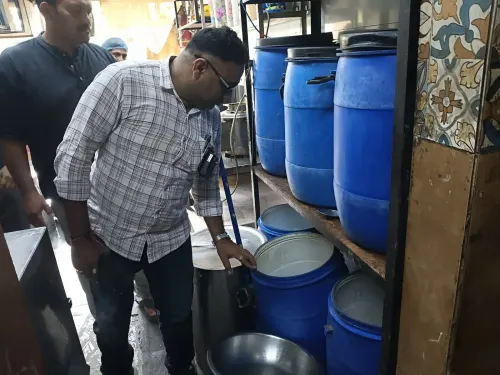
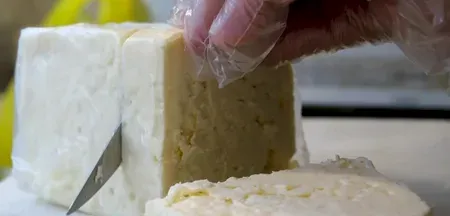
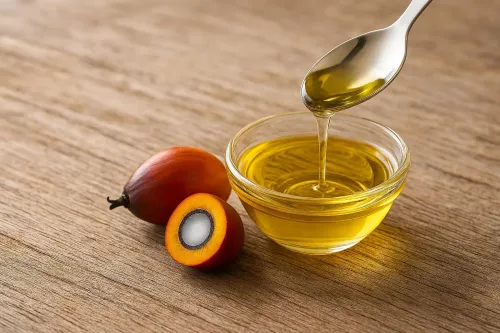
Analogue paneer — manufactured from vegetable oil and non-dairy ingredients — has been widely sold as conventional dairy paneer, deceiving consumers and undercutting genuine dairy producers. The FSSAI had previously taken regulatory action against several food businesses following inspections that revealed food safety violations, including suspended licences and prohibition orders related to non-compliant ghee products and adulteration concerns.
Notably, this proposed central ban follows a series of state-level crackdowns, signalling an escalation to uniform national enforcement.
State Bans That Preceded the Central Move
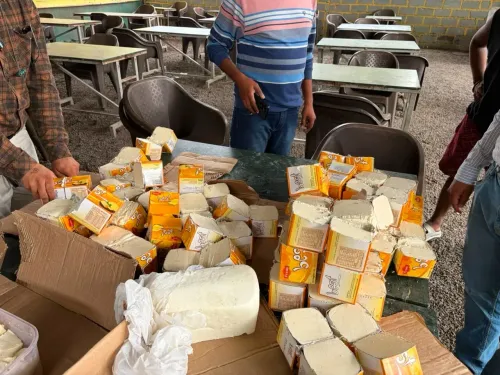
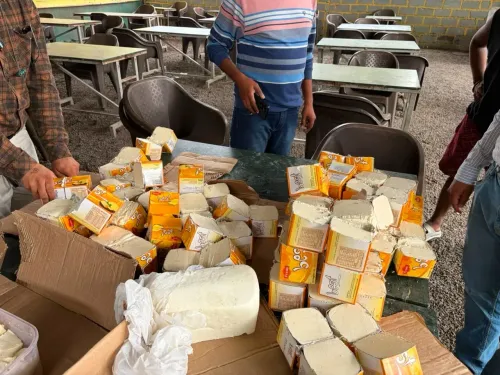
The Maharashtra Food and Drug Administration recently imposed a one-year ban on the production, distribution, and sale of artificial analogue paneer, citing public health concerns. The action came after laboratory tests found that more than 35% of recent paneer samples tested in the state failed quality standards due to vegetable-fat adulteration.
The Gujarat government similarly announced a statewide ban on the manufacture, storage, transportation, distribution, and sale of non-standard analogue paneer, cheese, and butter, citing consumer deception, food safety risks, and protection of the state's dairy sector. Several other state governments have also enforced restrictions, underscoring the scale of the problem.
Impact on Industry and Consumers
Products made from vegetable oil and other non-dairy ingredients have reportedly been presented as paneer at significantly lower price points, making detection difficult for ordinary consumers. Genuine dairy producers argue that analogue products erode market share and damage trust in India's dairy supply chain — a sector that supports millions of farmers and cooperative networks.
If the draft amendment clears the consultation process, businesses across India will face a uniform legal bar on producing or selling analogue products under the paneer label, replacing the current patchwork of state-level bans with a single enforceable national standard.
What Happens Next
Stakeholders, industry bodies, and state governments have sixty days from the gazette publication date to submit their responses to the draft. Following the consultation period, FSSAI will finalise and notify the amended regulations. The authority's move is expected to set a precedent for similar action on other analogously labelled dairy products, including ghee and cheese.
Point of View
Not the gazette notification. State-level bans in Maharashtra and Gujarat exposed the scale of adulteration — over 35% failure rates in laboratory tests are not a fringe problem — yet implementation remained patchy because food safety inspection capacity varies wildly across districts. A national rule without a national inspection mandate risks becoming another paper prohibition. The deeper issue is that analogue paneer thrives on price arbitrage: it undercuts dairy paneer because vegetable oil is cheaper than milk fat. Until that economic incentive is addressed — through stricter supply-chain traceability and penalties that actually deter — manufacturers will simply relabel and continue. FSSAI's credibility on dairy adulteration is on the line with this one.
NationPress
24 Sept 2026
Frequently Asked Questions
What is analogue paneer and why is it being banned?
Analogue paneer is a product made from vegetable oil and non-dairy ingredients that is sold or labelled as conventional dairy paneer, misleading consumers about its composition. FSSAI has proposed a nationwide ban because such products deceive buyers, harm genuine dairy producers, and pose food safety concerns confirmed by laboratory testing.
What does the FSSAI draft amendment specifically propose?
The draft amendment proposes restricting the manufacturing and sale of analogue products marketed as paneer and requires businesses already licensed under the 'Analogue in Dairy Context' category to remove the term 'Paneer' from their nomenclature, labelling, and marketing. It is being notified under the Food Safety and Standards (Prohibition and Restrictions on Sales) regulations.
When will the FSSAI ban on analogue paneer take effect?
The draft regulations will be open for a 60-day public consultation period from the date of Official Gazette publication. After responses are reviewed, FSSAI will finalise and notify the amended regulations; no specific enforcement start date has been announced yet.
Which states had already banned analogue paneer before the central proposal?
Maharashtra's Food and Drug Administration imposed a one-year ban after more than 35% of paneer samples failed quality tests due to vegetable-fat adulteration. Gujarat announced a statewide ban covering manufacture, storage, transportation, distribution, and sale of non-standard analogue paneer, cheese, and butter. Several other state governments had also enforced restrictions.
Who is affected by the proposed FSSAI ban?
Food businesses licensed or registered under the 'Analogue in Dairy Context' category are directly affected, as they will have to rebrand and reformulate or stop production. Consumers stand to benefit from clearer labelling, while genuine dairy farmers and cooperatives could see fairer market conditions if the ban is enforced effectively.