Zomato bans analogue dairy dishes after FSSAI cracks down on restaurants
Synopsis
Zomato has drawn a hard line on analogue dairy — banning all such dishes from its platform and threatening to delist non-compliant restaurants. The move follows FSSAI enforcement actions and a Maharashtra state ban on fake paneer, after lab tests found over 35% of paneer samples in the state failed quality checks due to vegetable-fat adulteration.
Key Takeaways
Zomato announced a zero-tolerance policy on analogue dairy products, with immediate delisting of non-compliant dishes.
Restaurant partners must switch to natural dairy or remove analogue dairy items from their menus; failure to comply risks platform removal.
FSSAI earlier suspended licences and issued prohibition orders against food businesses over ghee adulteration and safety violations.
The Maharashtra Food and Drug Administration imposed a one-year ban on artificial analogue paneer following lab findings.
More than 35% of paneer samples tested in Maharashtra failed quality checks due to vegetable-fat adulteration.
Aditya Mangla , CEO of Zomato, said the policy is aimed at 'safeguarding customer health and upholding clear standards.'
Zomato on Monday announced a zero-tolerance policy against analogue dairy products on its platform, ordering the immediate delisting of any dishes that restaurant partners have declared as containing such substitutes. The move follows regulatory action by the Food Safety and Standards Authority of India (FSSAI) against multiple food businesses for safety violations and adulteration concerns.
What the New Policy Requires
Under the revised framework, all restaurant partners listed on Zomato have been directed to transition to natural dairy products. Where an immediate switch is not feasible, restaurants must remove items containing analogue dairy from their menus without delay.
Partners have also been asked to audit product labels and ingredient declarations from their suppliers, ensuring that every item listed on the platform accurately reflects what is being served to customers. Restaurants that fail to comply risk removal from the platform entirely.
What Zomato's Leadership Said
Aditya Mangla, CEO of Zomato, underscored the company's rationale: 'At Zomato, our core mission is better food for more people, and that means safeguarding customer health and upholding clear standards for what's listed and served by our restaurant partners.'
Mangla added: 'This policy reflects that commitment, one we're taking together with partners who share it.'
The Regulatory Backdrop
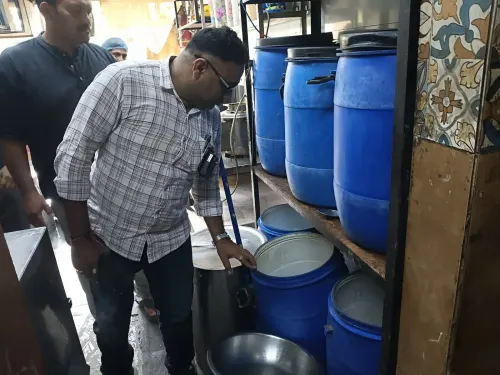
The announcement comes amid a broader crackdown on food adulteration across India. Earlier in August, FSSAI suspended licences and issued prohibition orders against two food businesses following inspections that uncovered safety violations linked to non-compliant ghee products and adulteration.
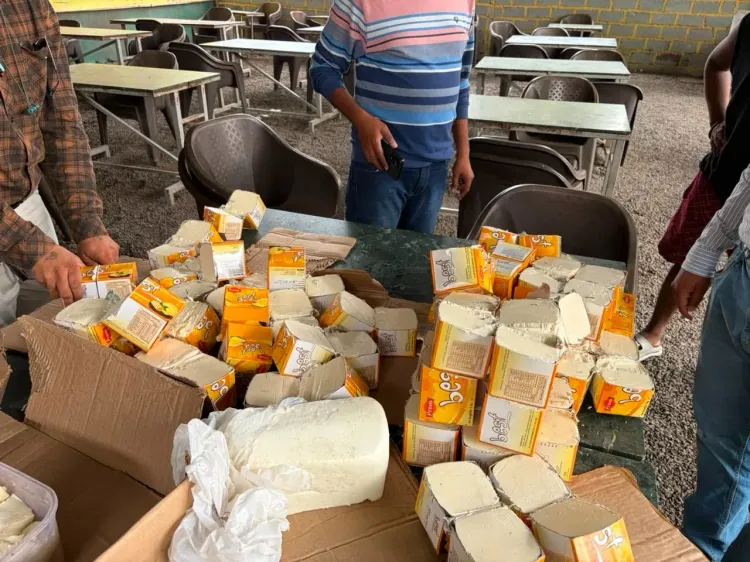
In a separate but related development, the Maharashtra Food and Drug Administration imposed a one-year ban on the production, distribution, and sale of artificial analogue paneer, citing public health concerns. The action followed laboratory findings in which more than 35 per cent of paneer samples tested in the state failed quality checks due to vegetable-fat adulteration. Hotels, restaurants, caterers, and cloud kitchens were explicitly prohibited from using, preparing, serving, or storing such dairy substitutes.
Why This Matters for Consumers
Analogue dairy products — typically made with vegetable fats in place of milk solids — are often cheaper to produce and can be difficult for consumers to distinguish from natural dairy. Their use in restaurant kitchens without disclosure raises both health and transparency concerns, particularly for customers who assume they are consuming genuine dairy.
Zomato's policy, the company stated, is consistent with applicable regulatory requirements and forms part of its wider push toward healthier food choices and greater supply-chain transparency.
What Happens Next
With FSSAI and state food regulators stepping up enforcement, other food delivery platforms may face pressure to introduce similar compliance frameworks. The restaurant industry, particularly cloud kitchens and budget eateries that rely heavily on analogue ingredients to manage costs, will need to adapt quickly or risk losing access to major digital platforms.
Point of View
Self-declaration by vendors is a weak safeguard. The Maharashtra data is damning — over a third of paneer samples failing quality checks suggests the problem is systemic, not isolated. Unless Zomato builds independent audit mechanisms into its compliance framework, this policy risks being a press release rather than a structural fix.
NationPress
15 Oct 2026
Frequently Asked Questions
What is Zomato's new analogue dairy policy?
Zomato has adopted a zero-tolerance policy on the sale of analogue dairy dishes by restaurants on its platform, effective immediately. Restaurant partners must either switch to natural dairy products or remove analogue dairy items from their menus, and those that do not comply risk being delisted from the platform.
What are analogue dairy products?
Analogue dairy products are substitutes made with vegetable fats instead of milk solids, designed to mimic natural dairy items such as paneer, cheese, or ghee. They are generally cheaper to produce but must be clearly labelled; using them without disclosure constitutes adulteration under Indian food safety law.
What action did FSSAI take that prompted this move?
FSSAI suspended licences and issued prohibition orders against two food businesses following inspections that found safety violations linked to non-compliant ghee products and adulteration. The Maharashtra Food and Drug Administration separately imposed a one-year ban on artificial analogue paneer after more than 35% of samples tested in the state failed quality checks.
Who is affected by Zomato's analogue dairy ban?
All restaurant partners listed on Zomato — including hotels, cloud kitchens, and caterers — are affected. They must audit supplier ingredient declarations and remove or replace any analogue dairy items on their menus, or face removal from the platform.
Why is analogue paneer considered a public health concern?
Analogue paneer is made with vegetable fats substituted for milk solids, and when sold without disclosure it constitutes adulteration. Maharashtra's lab findings — with over 35% of paneer samples failing quality tests — indicate widespread use, raising concerns about consumer deception and potential health risks from undisclosed ingredients.