Palm oil defamation debate: Experts urge evidence-based discourse at PHDCCI meet
Synopsis
At a packed PHDCCI conference in New Delhi, India's top food regulator and agriculture officials pushed back against palm oil's growing reputational crisis — arguing the ingredient is not only safe when consumed in moderation but essential to India's edible oil affordability and self-sufficiency goals. With cultivation targets nearly doubling to 10 lakh hectares by 2025–26, the stakes in this debate are far larger than a single ingredient.
Key Takeaways
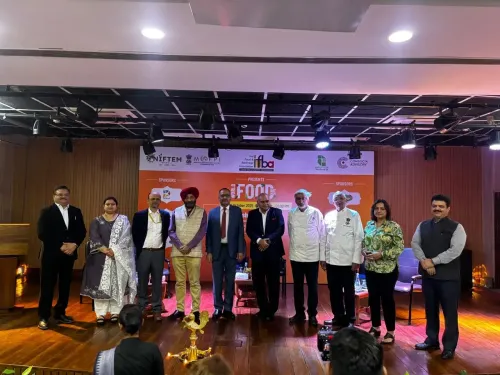
Experts at a PHDCCI conference in New Delhi on 15 May 2025 called for evidence-based public discourse on palm oil , rejecting defamation without scientific backing.
Alka Rao reaffirmed the regulator's commitment to credible, science-led nutrition messaging.
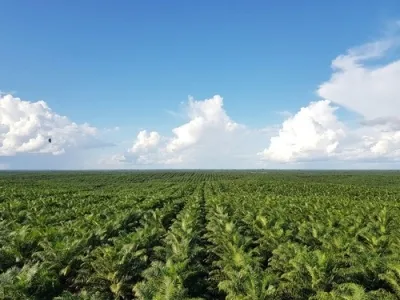
India is expanding oil palm cultivation from 6.5 lakh hectares to nearly 10 lakh hectares by 2025–26 under the National Mission on Edible Oils .
Palm oil accounts for nearly one-third of global vegetable oil production and is the world's most consumed vegetable oil.
Over 90 delegates from industry, hospitals, and academia attended the interactive conference, which covered palm oil science, food labelling, and fat nutrition.
Experts at a PHDCCI conference on edible oils held in New Delhi this week called for an end to the defamation of palm oil without credible scientific evidence, arguing that the ingredient is central to India's edible oil security and reducing import dependence. The interactive session drew over 90 delegates from industry, hospitals, and academia.
FSSAI's Stand on Evidence-Based Messaging
Dr. Alka Rao, Advisor at the Food Safety and Standards Authority of India (FSSAI), stated that the apex food regulator does not endorse or defame any food ingredient without credible scientific backing. She emphasised that palm oil continues to be widely used across Indian households and the food industry owing to its stability and suitability for high-temperature cooking.
'Our stakeholder consultation framework remains open and inclusive, allowing individuals, industry bodies and experts to present scientific data and perspectives for consideration. FSSAI remains committed to promoting evidence-based nutrition awareness and encouraging balanced, informed dietary choices among consumers,' she said.
Palm Oil's Role in India's Edible Oil Security
Dr. Shri Rishi Kant, Additional Economic Advisor at the Department of Agriculture and Farmers Welfare, Ministry of Agriculture and Farmers Welfare, said India's renewed focus on domestic palm oil cultivation marks a significant step towards edible oil self-sufficiency. He noted that through initiatives such as the National Mission on Edible Oils, the government is building an enabling ecosystem for farmers via improved infrastructure, financial incentives, and stronger market linkages.
Notably, India has significantly expanded its oil palm cultivation targets, with the area under cultivation set to grow from 6.5 lakh hectares to nearly 10 lakh hectares by 2025–26.
Addressing Misconceptions Around Palm Oil
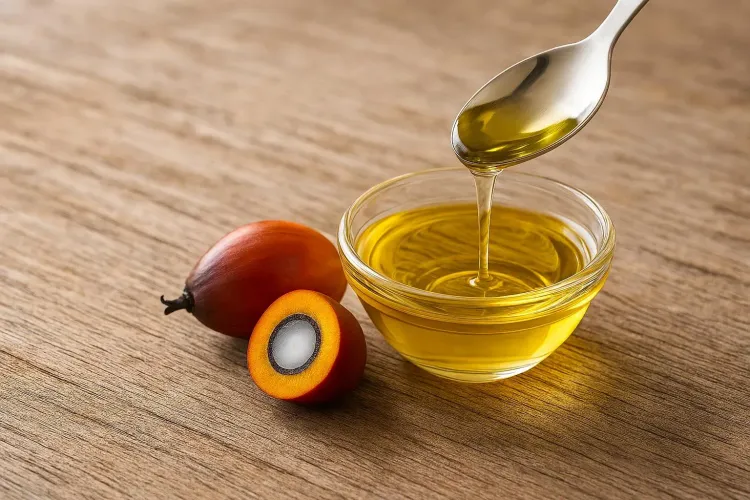
Dr. Vivek Srivastav, Chair of the Nutraceuticals Task Force at PHDCCI and CEO of Multani Pharmaceuticals Ltd, said palm oil is frequently misunderstood due to selective interpretation of data and social media narratives. He maintained that palm oil offers a balanced fatty acid profile along with beneficial antioxidants when consumed in moderation, and is among the most efficient oil crops globally, with responsible, sustainable production practices increasingly being adopted worldwide.
Dr. Narendra Tripathi, Co-Chair of the Nutraceuticals Task Force at PHDCCI and AVP-Quality and Regulatory Affairs at Bacfo India Limited, pointed out that palm oil is the most consumed vegetable oil in the world, contributing nearly one-third of global vegetable oil production. 'Its widespread use is not accidental but driven by efficiency, affordability, and versatility. For a country like India, where ensuring food affordability is critical, palm oil plays a significant role in meeting the edible oil demand of millions of households,' he said.
Conference Highlights and What's Next
The conference, jointly organised by PHDCCI and its AYUSH Committee, featured three technical sessions covering palm oil science, food labelling, and the distinction between saturated and trans fats. Speakers consistently urged clarity in public discourse and called for policy messaging grounded in peer-reviewed science rather than social media narratives. The debate over palm oil's health profile is expected to continue as India scales up domestic production and consumption.
Point of View
A sustained reputational crisis for the ingredient would directly undermine agricultural investment and farmer income targets. Yet the FSSAI's careful neutrality is telling: the regulator neither endorsed palm oil nor dismissed health concerns, signalling that the science remains genuinely contested in some quarters. What is missing from this conference's framing is an honest engagement with the cardiovascular literature on saturated fat — not to condemn palm oil, but to build the nuanced, moderation-based guidance that consumers actually need. Industry-led conferences are a poor substitute for independent, government-commissioned dietary reviews.
NationPress
7 Oct 2026
Frequently Asked Questions
Why are experts defending palm oil in India?
Experts at a PHDCCI conference in New Delhi argued that palm oil is being unfairly defamed through selective data interpretation and social media narratives, without adequate scientific evidence. They stressed its importance for India's edible oil affordability and food security, particularly for lower-income households.
What is FSSAI's position on palm oil?
The Food Safety and Standards Authority of India (FSSAI) has stated it does not endorse or defame any food ingredient without credible scientific evidence. FSSAI Advisor Dr. Alka Rao called for balanced, evidence-based public messaging and noted that palm oil remains widely used in Indian households and the food industry.
What is India's palm oil cultivation target?
India is targeting an expansion of oil palm cultivation from 6.5 lakh hectares to nearly 10 lakh hectares by 2025–26. This is being driven through the National Mission on Edible Oils, which provides farmers with improved infrastructure, financial incentives, and stronger market linkages.
Is palm oil safe to consume?
According to experts at the PHDCCI conference, palm oil offers a balanced fatty acid profile and beneficial antioxidants when consumed in moderation. FSSAI has not issued any advisory against its consumption, maintaining that dietary guidance must be grounded in credible scientific evidence.
Why is palm oil significant for India's food security?
Palm oil is the world's most consumed vegetable oil, accounting for nearly one-third of global vegetable oil production. For India, it plays a key role in meeting edible oil demand at an affordable price point for millions of households, while also reducing the country's dependence on imported edible oils.