India's foodgrain, fertiliser stocks well above buffer norms: Centre
Synopsis
India's wheat reserves are nearly double the mandated buffer, rice stocks are almost three times the norm, and fertiliser supply is rising year-on-year — the Centre's inter-ministerial briefing on 1 June paints a picture of agricultural supply resilience even as global disruptions continue. The real question is whether this buffer translates into price stability at the retail level.
Key Takeaways
Wheat stock in the Central Pool stood at 513 LMT as of 28 May , against a buffer norm of 275.80 LMT for July 1.
Rice stock stood at 397 LMT , well above the buffer norm of 135.40 LMT ; an additional 298 LMT of paddy awaits milling.
India has secured 25 LMT Urea , 15 LMT DAP , and 10 LMT NPKs for arrival in June–July ; a fresh tender for 17 LMT Urea is underway.
Domestic urea production in May 2025 rose by 2.80 LMT year-on-year to 25.17 LMT .
ECLGS 5.0 targets ₹2,55,000 crore in additional credit flow, including ₹5,000 crore for airlines, amid the West Asia situation.
The Centre on Monday, 1 June declared that India's foodgrain stocks are at comfortable levels, edible oil availability remains adequate, and fertiliser security is strong — with supply consistently exceeding requirements across all major categories. The assurance came during an inter-ministerial briefing held in New Delhi by the Department of Consumer Affairs.
Wheat and Rice Stocks Far Exceed Buffer Norms
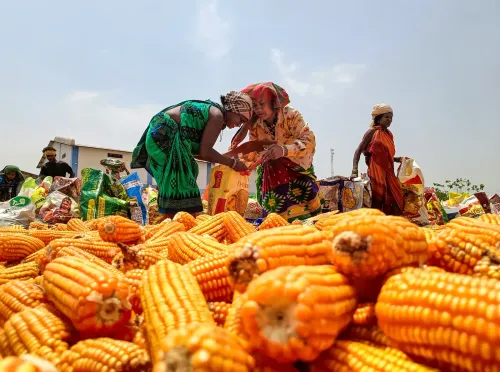
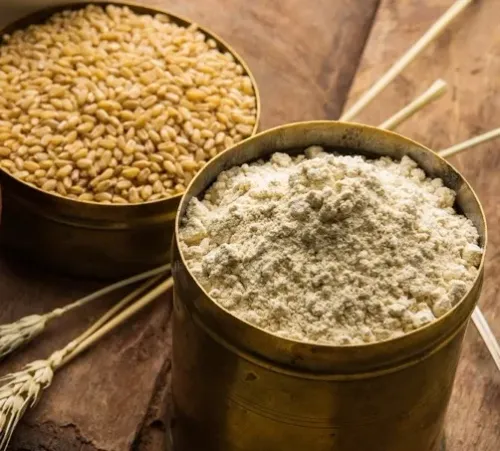
As of 28 May, wheat stock in the Central Pool stood at 513 lakh metric tonnes (LMT), nearly double the prescribed buffer norm of 275.80 LMT set for 1 July. Wheat procurement during the current Rabi Marketing Season has reached approximately 350 LMT, with procurement operations continuing through 30 June.
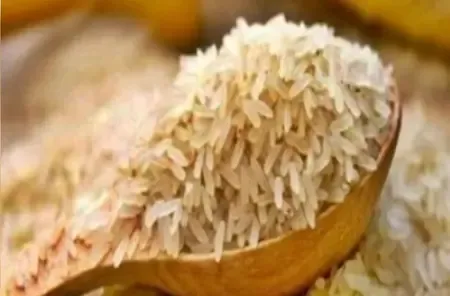
Rice stocks in the Central Pool stood at 397 LMT, well above the buffer norm of 135.40 LMT for July 1. An additional 298 LMT of procured paddy is yet to be milled and added to rice stocks, further strengthening the reserve position.
Edible Oil and Sugar Availability Stable
Domestic availability of edible oils remains adequate, supported by regular imports from Indonesia and Malaysia (palm oil), Russia and Ukraine (sunflower oil), and Argentina and Brazil (soybean oil). The government said it is in regular consultation with stakeholders and is actively monitoring supply and price trends.
Sugar availability also remains sufficient to meet domestic consumption requirements, with current stocks and production levels ensuring continued market stability.
Fertiliser Security Holds Despite Global Pressures
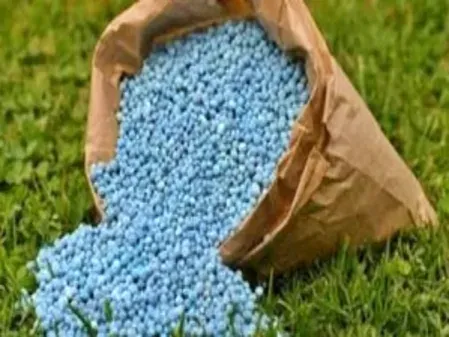
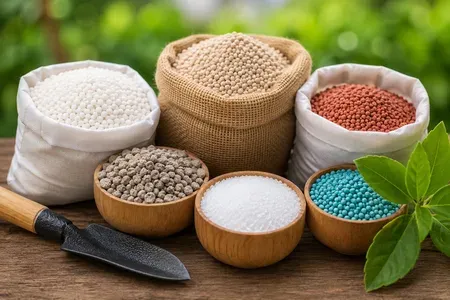
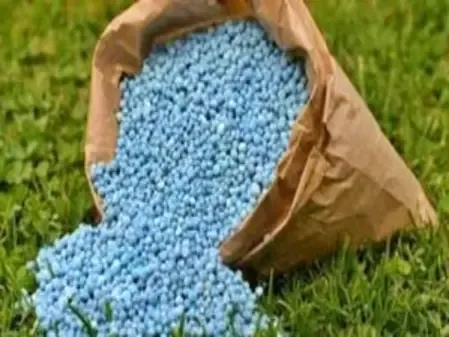
According to the Department of Fertilisers, nearly 132.43 LMT of fertilisers — through imports and domestic production — have been added to availability following an earlier supply disruption. India has already secured approximately 25 LMT of Urea, 15 LMT of DAP, and 10 LMT of NPKs (including Ammonium Sulfate) from strategic overseas holdings, with shipments expected to arrive at Indian ports in June–July. A fresh global tender for the procurement of 17 LMT of Urea is currently in progress.
Domestic urea production in May reached approximately 25.17 LMT, an increase of 2.80 LMT over May 2025. Domestic DAP production stood at 3.86 LMT as of 26 May, about 2,000 MT higher than the same period last year. Notably, this marks a consistent year-on-year improvement in domestic fertiliser manufacturing capacity.
ECLGS 5.0 Targets ₹2,55,000 Crore Credit Flow
In a related development, the Emergency Credit Line Guarantee Scheme (ECLGS) 5.0 has been activated, targeting a total additional credit flow of ₹2,55,000 crore — including ₹5,000 crore earmarked for airlines — to extend credit support to eligible business borrowers in view of the West Asia situation. This comes amid broader government efforts to insulate the domestic economy from global supply-chain disruptions.
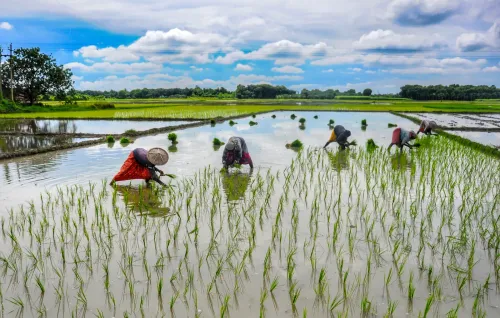
With kharif sowing season approaching, the government's stockpile and fertiliser procurement data signal that India's agricultural supply chain remains resilient heading into the crucial cultivation period.
Point of View
Not a leading one. India's edible oil import dependency on corridors running through conflict-affected regions (Ukraine, Russia, West Asia) remains a structural vulnerability that adequate stocks can buffer only temporarily. The ECLGS 5.0 activation, tucked into the same briefing, signals that the government is watching second-order economic stress from West Asia more closely than the foodgrain data alone would suggest. The real test of this supply resilience will come at the mandis and kirana stores, not in the Central Pool ledger.
NationPress
15 Oct 2026
Frequently Asked Questions
What are India's current wheat and rice stock levels?
As of 28 May 2025, wheat stock in the Central Pool stood at 513 LMT — nearly double the buffer norm of 275.80 LMT for July 1. Rice stock stood at 397 LMT, well above the buffer norm of 135.40 LMT, with an additional 298 LMT of paddy yet to be milled.
Is India's fertiliser supply adequate for the kharif season?
Yes, according to the Department of Fertilisers, 132.43 LMT of fertilisers have been added to availability. India has secured 25 LMT Urea, 15 LMT DAP, and 10 LMT NPKs for arrival in June–July, and a fresh global tender for 17 LMT Urea is in progress.
Where does India import its edible oils from?
India imports palm oil primarily from Indonesia and Malaysia, sunflower oil from Russia and Ukraine, and soybean oil from Argentina and Brazil. The government says domestic availability remains adequate supported by these imports alongside domestic production and existing stocks.
What is ECLGS 5.0 and why was it activated?
The Emergency Credit Line Guarantee Scheme (ECLGS) 5.0 targets a total additional credit flow of ₹2,55,000 crore — including ₹5,000 crore for airlines — to support eligible business borrowers in response to the West Asia situation. It is part of broader government measures to shield the domestic economy from global supply disruptions.
How has domestic fertiliser production changed year-on-year?
Domestic urea production in May 2025 reached 25.17 LMT, up by 2.80 LMT from May 2024. DAP production stood at 3.86 LMT as of 26 May, approximately 2,000 MT higher than the same period last year.