FSSAI proposes red hexagon warning labels on high-salt, sugar, fat packaged foods
Synopsis
India's food regulator has proposed slapping red hexagon warning labels on every packaged food that exceeds safe limits for salt, sugar, or fat — even if only one nutrient crosses the threshold. Filed before the Supreme Court, the single-phase plan draws on Canada's model and could force major reformulations across India's packaged food industry once draft regulations are finalised in roughly four months.
Key Takeaways
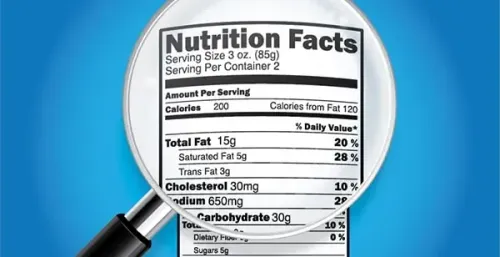
FSSAI has proposed Front-of-Pack Nutrition Labelling (FoPL) with a red hexagon on a white square background for high-risk packaged foods.
The warning applies if a product is high in even one of the three nutrients of concern: salt, sugar, or fat .
The regulator has opted for a single-phase rollout rather than a staged implementation.
The proposal was filed via an affidavit before the Supreme Court , which had sought a firm implementation timeline.
Public and industry consultations will precede finalisation; draft regulations are expected within four months of completing that process.
The label format is modelled on the system adopted in Canada .
The Food Safety and Standards Authority of India (FSSAI) has proposed a single-phase rollout of Front-of-Pack Nutrition Labelling (FoPL), which would place prominent red warning labels on packaged food products found to be high in salt, sugar, or fat. The proposal was submitted via an affidavit before the Supreme Court, which had earlier sought a clear implementation timeline from the food regulator and the government.
What the Warning Label Will Look Like
Under the proposed framework, packaged foods exceeding prescribed thresholds for nutrients of concern would be required to display a red hexagon on a white square background on the front of the pack. The format draws similarities with the labelling model adopted in Canada and is designed to flag nutrients that can pose health risks when consumed in excess.
Notably, the warning label would apply even if a product exceeds the threshold for just one nutrient — whether salt, sugar, or fat. In such cases, the specific nutrient would appear inside the red hexagon. If two or three nutrients breach prescribed limits, all of them would be listed together within a single warning symbol.
Why FSSAI Chose a Single-Phase Approach
The regulator has opted for a single-phase implementation rather than a staged rollout. This marks a shift from earlier deliberations that had envisaged a gradual introduction of the system. FSSAI said the unified approach would provide consumers with clearer, more consistent nutritional information at the point of purchase — helping them make more informed food choices without having to navigate evolving label formats.
This comes amid years of advocacy from public health groups and repeated nudges from the Supreme Court, which has been monitoring the FoPL issue given the rising incidence of diet-linked non-communicable diseases in India.
Consultation Process and Timeline
FSSAI clarified that the proposed labelling framework will undergo public and industry consultations before regulations are finalised. The authority has estimated it will need approximately four months to issue and finalise draft regulations after completing the consultation process and fulfilling the procedural requirements under the Food Safety and Standards Act and related rules.
Industry bodies representing packaged food manufacturers are expected to engage closely during the consultation window, given the significant compliance and reformulation implications the new labels could carry.
Impact on Consumers and the Food Industry
For consumers, the red hexagon system is intended to provide an at-a-glance alert — a visible cue that a product contains potentially excessive levels of a specific nutrient. The model is broadly in line with international best practices: similar warning labels have been credited with driving reformulation and reducing consumption of high-risk packaged foods in Chile, Mexico, and Canada.
For food manufacturers, the change could trigger pressure to reformulate popular products to fall below the prescribed nutrient thresholds — or face prominent on-pack warnings that could influence purchasing decisions. The scale of that impact will depend heavily on where the final thresholds are set, a detail expected to emerge through the consultation process.
Supreme Court Oversight
The fact that FSSAI filed the proposal through a Supreme Court affidavit underlines the judicial pressure behind the move. The court had specifically sought a firm timeline, signalling impatience with earlier delays. With the regulator now on record with a four-month finalisation estimate, the judiciary has a concrete benchmark to hold it to. How promptly FSSAI follows through will be closely watched.
Point of View
Judicially monitored deadline. But the real test lies in the threshold-setting that will happen during consultations: industry lobbying in comparable markets has historically pushed thresholds high enough to exempt most popular products. India's packaged food sector is a multi-lakh-crore market, and the gap between a well-designed warning label and a regulatory fig leaf will be determined by numbers that are yet to be debated. Consumers deserve thresholds grounded in WHO dietary guidelines, not industry comfort levels.
NationPress
23 Sept 2026
Frequently Asked Questions
What is FSSAI's proposed Front-of-Pack Nutrition Labelling system?
FSSAI has proposed requiring packaged foods high in salt, sugar, or fat to display a red hexagon on a white square background on the front of their packaging. The proposal was submitted to the Supreme Court and will undergo public and industry consultations before regulations are finalised.
When will the new food warning labels come into effect in India?
FSSAI has estimated it will take approximately four months to issue and finalise draft regulations after completing the required consultation process. A firm enforcement date has not yet been announced, as the draft must first clear procedural requirements under the Food Safety and Standards Act.
Which packaged foods will carry the red hexagon warning label?
Any packaged food that exceeds prescribed thresholds for salt, sugar, or fat — even if only one nutrient crosses the limit — will be required to display the warning. The specific nutrient or nutrients breaching the threshold will be named inside the red hexagon.
Why is the Supreme Court involved in food labelling regulations?
The Supreme Court had sought a clear timeline from FSSAI and the government on rolling out front-of-pack warning labels, prompting the regulator to file an affidavit outlining its single-phase implementation plan. The court's oversight reflects broader judicial concern over rising diet-linked non-communicable diseases in India.
How does India's proposed label compare with other countries?
FSSAI's proposed red hexagon format is modelled on Canada's warning label system. Similar front-of-pack warning labels have been adopted in Chile and Mexico, where they have been credited with encouraging food reformulation and shifting consumer purchasing behaviour away from high-risk products.