FTC reviews Uber's bid to acquire Delivery Hero stake in South Korea
Synopsis
Uber is trying to re-enter South Korea's food delivery market — the very one it fled in 2019 — by acquiring a stake in Delivery Hero, parent of Baemin, which commands 23.4 million monthly users. South Korea's FTC is now scrutinising whether the deal could let Uber bundle ride-hailing and delivery in ways that distort competition.
Key Takeaways
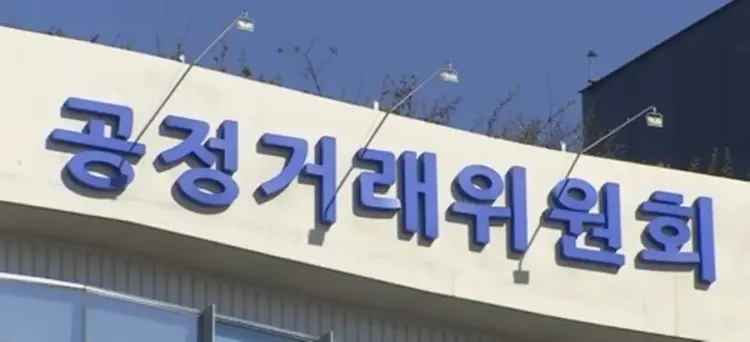
South Korea's Fair Trade Commission (FTC) launched a preliminary review on 22 September 2026 into Uber Technologies' proposed acquisition of a stake in Delivery Hero SE .
Delivery Hero is the Germany-based parent of Woowa Brothers Corp. , which operates the food delivery app Baemin (Baedal Minjok) .
Baemin had 23.4 million monthly active users in April, well ahead of No.
2 rival Coupang Eats at 13.15 million .
The FTC characterised the deal as a conglomerate merger , flagging potential cross-platform competition concerns linking ride-hailing and food delivery.
Uber previously operated Uber Eats in South Korea from 2017 before withdrawing in 2019 due to Baemin's market dominance.
If the preliminary review is cleared, Uber must file a formal merger application before the deal can proceed.
South Korea's antitrust regulator, the Fair Trade Commission (FTC), on Tuesday, 22 September 2026, confirmed it has launched a preliminary review of Uber Technologies' plan to acquire a stake in Delivery Hero SE, the Germany-based parent of Woowa Brothers Corp., which operates Baemin (Baedal Minjok) — South Korea's dominant food delivery platform. The move marks Uber's most significant push back into a market it exited nearly six years ago.
Background: Why Uber Left and Why It's Back
Uber launched its Uber Eats service in South Korea in 2017 but withdrew from Asia's fourth-largest economy in 2019, unable to compete against Baemin's entrenched market position. The renewed bid reflects a broader strategic pivot by Uber to deepen its delivery and mobility ecosystem globally, this time through a structural acquisition rather than organic growth.
According to the FTC, Baemin recorded 23.4 million monthly active users in April, significantly ahead of Coupang Eats — operated by South Korean e-commerce giant Coupang Inc. — which posted 13.15 million monthly active users, making it the country's second-ranked food delivery app.
What the FTC Is Examining
The regulator has characterised the proposed deal as a conglomerate merger — one that brings together Uber's ride-hailing operations and Delivery Hero's food delivery business across distinct but increasingly interconnected service categories.
The FTC cited specific concerns around cross-platform leverage. 'If Uber takes control of Baemin, the country's leading food delivery platform, the company may expand advertising and promotional programs linking ride-hailing and delivery services, potentially leading to the integration of various services,' the watchdog stated.
The commission also noted that Uber has sought to expand 'cross-platform engagement' between its mobility and delivery arms — a strategy that regulators in multiple jurisdictions have been scrutinising as tech companies bundle services to entrench market dominance.
What Happens Next
The FTC clarified that Uber Technologies has submitted an application for a preliminary review — a prerequisite before any formal filing can proceed. Should the watchdog clear this initial stage, Uber is expected to file a formal merger application. 'The FTC will comprehensively review the proposed merger's impact on competition in South Korea's ride-hailing and food delivery app markets,' the commission said, adding that the process will follow standards and procedures stipulated under relevant laws.
The outcome of the review will have ramifications not just for the two companies involved, but for the competitive structure of South Korea's food delivery sector — a market with a combined active user base that runs into the tens of millions.
Broader Implications for the Food Delivery Market
Notably, this deal comes at a time when food delivery platforms globally are under regulatory and profitability pressure. Delivery Hero has been restructuring its international portfolio, and an Uber tie-up could provide the financial stability and cross-service synergies that standalone delivery apps have struggled to generate. Critics, however, argue that a combined Uber-Baemin entity could squeeze out smaller rivals and limit consumer choice in a market already concentrated at the top.
Point of View
Buy the parent.' The real regulatory question is not whether Baemin is dominant — it clearly is — but whether a combined Uber-Baemin entity can leverage ride-hailing data and user bases to foreclose competition in ways the current market structure does not permit. South Korea's FTC has shown it takes tech-market consolidation seriously, and the conglomerate-merger framing signals the commission is looking beyond simple market-share arithmetic. The process will be a test of whether antitrust frameworks designed for traditional industries can keep pace with the bundling strategies of global platform companies.
NationPress
22 Sept 2026
Frequently Asked Questions
What is the FTC reviewing regarding Uber and Delivery Hero?
South Korea's Fair Trade Commission is conducting a preliminary review of Uber Technologies' plan to acquire a stake in Delivery Hero SE, the Germany-based parent of Woowa Brothers Corp., which runs Baemin — South Korea's leading food delivery app. The FTC is assessing the deal's impact on competition in both the ride-hailing and food delivery markets.
Who is Woowa Brothers and what is Baemin?
Woowa Brothers Corp. is a South Korean company that operates Baemin (Baedal Minjok), the country's top food delivery platform. Baemin had 23.4 million monthly active users as of April, nearly double the figure recorded by its nearest competitor, Coupang Eats.
Why did Uber exit South Korea previously?
Uber launched Uber Eats in South Korea in 2017 but withdrew from the market in 2019, reportedly unable to compete with Baemin's dominant position. The current bid represents a strategic return — this time through acquisition rather than direct competition.
What concerns has the FTC raised about the deal?
The FTC has flagged concerns that a combined Uber-Baemin entity could expand advertising and promotional programmes that link ride-hailing and food delivery, potentially integrating services in ways that disadvantage rivals. The regulator has characterised it as a conglomerate merger requiring comprehensive scrutiny.
What happens after the preliminary review?
If the FTC clears the preliminary review, Uber is expected to file a formal merger application. The commission will then conduct a full review under the standards and procedures established under South Korean competition law before any final decision is made.