Goldman Sachs Increases 2026 Oil Price Projections by 10% Due to Hormuz Shipping Disruptions

Synopsis
Goldman Sachs has raised its oil price outlook for 2026 by over 10%, citing unprecedented disruptions in the Strait of Hormuz. This adjustment reflects serious global supply concerns amidst ongoing geopolitical tensions. The bank's analysis highlights significant implications for energy markets and investment strategies.
Key Takeaways
Goldman Sachs raises 2026 oil price forecast by 10% .
Brent crude projected at $85 per barrel, WTI at $79 .
Disruptions in the Strait of Hormuz cited as a major factor.
Potential crude output losses to peak at 17 million barrels per day .
Global energy supply vulnerabilities highlighted.
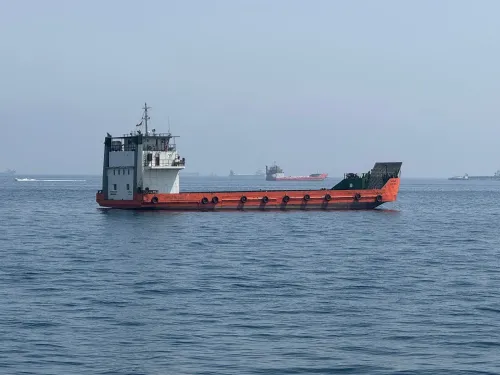
New Delhi, March 23 (NationPress) Analysts from Goldman Sachs have significantly revised their oil price predictions for 2026, attributing this change to substantial disruptions in shipments via the Strait of Hormuz, which they characterize as the most significant supply shock to impact the global crude markets to date.
The esteemed investment institution anticipates that Brent crude futures will average $85 per barrel in 2026, marking an increase of 10.38 percent from the previous estimate of $77.
In a similar vein, the projection for US West Texas Intermediate (WTI) stands at $79 per barrel, reflecting a 9.72 percent rise from the last forecast of $72, according to analyst Daan Struyven in a report.
This upward adjustment is predicated on the assumption that oil flows through the vital Hormuz passage will operate at merely 5 percent of normal capacity for a duration of six weeks, before gradually returning to normal over the subsequent month.
The oil markets have experienced turmoil due to the ongoing conflict involving the US, Israel, and Iran, which has now entered its fourth week with no definitive resolution in sight. Over the weekend, President Donald Trump issued a two-day ultimatum to Tehran to reopen this critical shipping route or face potential attacks on its energy infrastructure, eliciting warnings of retaliation from Iran.
Goldman Sachs indicated, "This unprecedented disruption could compel policymakers and investors to reassess structural weaknesses in global energy supply, particularly the heavy concentration of production and spare capacity within the Middle East."
Despite tightening supply conditions in Asia, crude inventories in OECD nations across the US and Europe continue to grow, indicating that global supply had been outpacing demand prior to the onset of the conflict.
The bank also forecasts that crude output losses in the Middle East could escalate from 11 million barrels per day currently to a peak of 17 million barrels per day.
Assuming a complete recovery over four weeks post-resumption of normal operations, total cumulative losses are projected to surpass 800 million barrels.
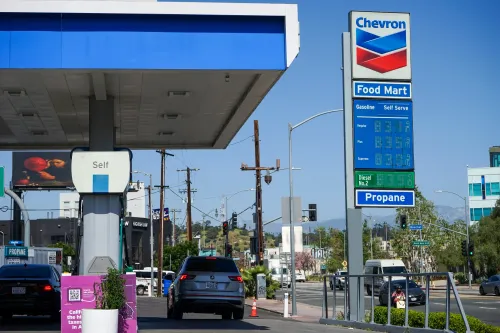
On Monday, Brent crude futures witnessed a rise of up to 0.73 percent, reaching an intraday high of $113.01 per barrel by 10:18 AM, while US WTI traded at $101.50, reflecting a 3.32 percent increase from the prior close.
Point of View
The recent adjustments by Goldman Sachs signify a notable response to ongoing geopolitical tensions affecting oil supply routes. As the situation develops, stakeholders in the global energy market must remain vigilant to adapt to potential fluctuations in supply and pricing.
NationPress
24 Sept 2026
Frequently Asked Questions
What caused Goldman Sachs to raise its oil price forecast?
Goldman Sachs raised its oil price forecast due to severe disruptions in shipments through the Strait of Hormuz, which they termed the biggest supply shock to the global crude markets.
What are the projected prices for Brent crude and WTI in 2026?
Brent crude is projected to average $85 per barrel, while US West Texas Intermediate (WTI) is expected to be at $79 per barrel.
How much could crude output losses in the Middle East increase?
Crude output losses in the Middle East could rise from 11 million barrels per day to a peak of 17 million barrels per day.
What geopolitical factors are influencing oil prices?
Ongoing conflicts involving the US, Israel, and Iran are significantly impacting oil prices and supply routes.
What impact does this forecast have on global energy supply?
The forecast indicates potential vulnerabilities in global energy supply, emphasizing the concentration of production and spare capacity in the Middle East.