India hits 78% of FY27 disinvestment target in 5 months, raises ₹62,124 crore

Synopsis
India has mobilised ₹62,124 crore in just five months — 78% of its ambitious ₹80,000 crore FY27 disinvestment and asset monetisation target. The LIC stake sale alone contributed over half the total. With the IDBI Bank strategic sale still in play and expenditure pressures building, the pace of capital recycling is emerging as a key lever in the Centre's fiscal management strategy.
Key Takeaways
The government has raised ₹62,124 crore in the first five months of FY27, achieving 78% of its ₹80,000 crore annual target.
A 6.5% stake sale in LIC fetched ₹31,515 crore — more than half of all disinvestment proceeds.
Stake sales across nine PSUs generated ₹55,757 crore ; asset monetisation via InvIT added ₹6,367 crore .
The IDBI Bank strategic sale is under consideration, with revised bids from Emirates NBD and Fairfax Financial Holdings .
The Centre's fiscal deficit target for FY27 is set at 4.3% of GDP , with higher energy and fertiliser import bills adding expenditure pressure.
The Indian government has achieved approximately 78 per cent of its FY27 budget target for disinvestment and asset monetisation within just the first five months of the financial year, mobilising ₹62,124 crore through various capital receipt measures. The full-year target stands at ₹80,000 crore under Miscellaneous Capital Receipts for Budget Estimate 2026-27.
Stake Sales Drive the Bulk of Receipts
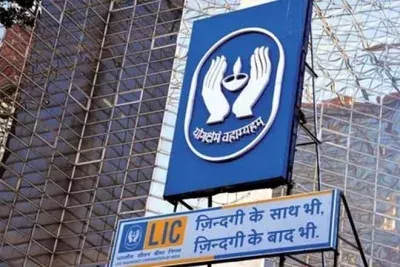
Of the total amount raised, ₹55,757 crore came from minority stake sales across nine public sector undertakings (PSUs). The single largest transaction was the government's 6.5 per cent stake sale in Life Insurance Corporation of India (LIC), which fetched ₹31,515 crore — accounting for more than half of all disinvestment proceeds so far.
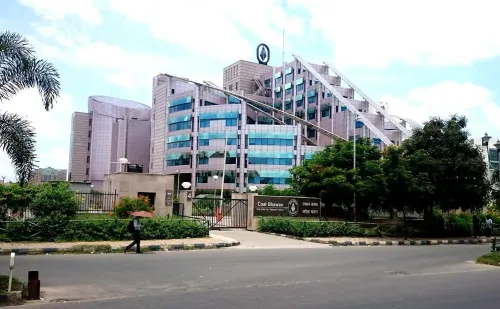
A 2 per cent stake sale in Coal India generated approximately ₹5,542 crore, while a 6.01 per cent stake dilution in NHPC added ₹4,357 crore to the exchequer. Earlier this week, the government also raised ₹3,041 crore through the sale of a 6 per cent stake in Hindustan Copper.
Other PSUs where stake sales have been executed include Central Bank of India, NLC India, General Insurance Corporation of India (GIC), Indian Railway Finance Corporation (IRFC), and Cochin Shipyard. The total also includes proceeds from the strategic sale of Indian Medicines Pharmaceuticals Corporation Ltd and remittances from the Specified Undertaking of the Unit Trust of India (SUUTI).
Asset Monetisation Adds ₹6,367 Crore via InvIT
Beyond equity stake sales, the government raised an additional ₹6,367 crore through asset monetisation via an Infrastructure Investment Trust (InvIT). This route, which involves packaging operational infrastructure assets into yield-bearing investment vehicles, has grown as a supplementary tool alongside traditional disinvestment.
IDBI Bank Strategic Sale Still in Play
A strategic sale of IDBI Bank remains under active consideration. Following an earlier unsuccessful attempt to divest the lender, the government has received revised bids from Dubai-based Emirates NBD and Fairfax Financial Holdings, led by Prem Watsa. If concluded, the IDBI transaction could meaningfully add to the year's capital receipts tally.
Fiscal Context: Why the Push Matters
The government's accelerated disinvestment drive comes amid concerns that overall expenditure could overshoot budget estimates, driven by higher energy and fertiliser import bills. The Centre has set a fiscal deficit target of 4.3 per cent of GDP for FY27, and robust capital receipts help cushion any slippage on the expenditure side.
Notably, separate disinvestment targets have not been disclosed since the Revised Estimate for 2023-24. The government has instead clubbed disinvestment and asset monetisation under a single Miscellaneous Capital Receipts head — budgeted at ₹30,000 crore (RE 2023-24), ₹33,000 crore (RE 2024-25), ₹33,837 crore (RE 2025-26), and a significantly scaled-up ₹80,000 crore for BE 2026-27. The sharp jump in the current year's target signals a deliberate strategic shift toward capital recycling as a fiscal management tool.
With roughly ₹17,876 crore still to be mobilised against the full-year target, and the IDBI Bank process still pending, the government appears well-positioned to meet — or potentially exceed — its FY27 disinvestment and monetisation goal.
Point of View
But the headline masks a structural shift: by bundling disinvestment with asset monetisation under a single capital receipts head, the government has effectively made the target harder to scrutinise. The ₹80,000 crore BE for FY27 is more than double the previous year's revised estimate — a jump that sets a high bar and raises questions about whether InvIT monetisation, which recycles existing assets rather than reducing government ownership, should count on equal footing with genuine divestiture. The IDBI Bank process has been pending for years; its conclusion would be a genuine test of execution. Until then, the pace of progress, while strong, rests heavily on a single LIC transaction.
NationPress
28 Aug 2026
Frequently Asked Questions
How much has the government raised through disinvestment in FY27 so far?
The government has raised ₹62,124 crore in the first five months of FY27, representing approximately 78% of its full-year budget target of ₹80,000 crore. This includes ₹55,757 crore from PSU stake sales and ₹6,367 crore from asset monetisation via an InvIT.
Which was the largest disinvestment transaction in FY27?
The largest transaction was the government's 6.5% stake sale in Life Insurance Corporation of India (LIC), which raised ₹31,515 crore — more than half of all disinvestment proceeds collected so far this financial year.
What is the status of the IDBI Bank strategic sale?
The IDBI Bank strategic sale is under active consideration. After an earlier unsuccessful attempt, the government has received revised bids from Dubai-based Emirates NBD and Fairfax Financial Holdings, led by Prem Watsa. A final decision has not yet been announced.
Why is the government accelerating disinvestment in FY27?
The push comes amid concerns that government expenditure could exceed budget estimates due to higher energy and fertiliser import bills. Robust capital receipts from disinvestment and asset monetisation help the Centre stay on track with its fiscal deficit target of 4.3% of GDP for FY27.
Which other PSUs have seen stake sales in FY27?
Besides LIC and Coal India, the government has divested stakes in NHPC, Hindustan Copper, Central Bank of India, NLC India, General Insurance Corporation of India (GIC), Indian Railway Finance Corporation (IRFC), and Cochin Shipyard. The total also includes proceeds from the strategic sale of Indian Medicines Pharmaceuticals Corporation Ltd and SUUTI remittances.