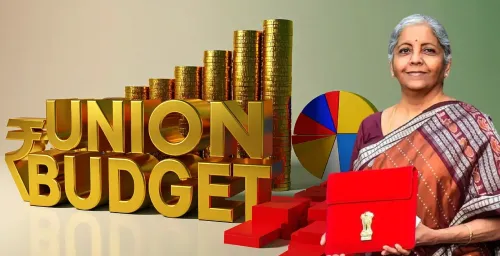
India FY27 fiscal deficit on track at 4.3% of GDP on 22% corporate tax surge

Synopsis
India's fiscal math for FY27 is holding — but only because corporate taxes are running 10 percentage points above budget. Goldman Sachs says the Centre can still hit its 4.3% deficit target, but the cushion is narrowing: income tax is underperforming by nearly half its budgeted growth, fuel revenues are soft, and the government will need to reprioritise spending to stay on track.
Key Takeaways
India's fiscal deficit for April–September FY27 stood at approximately 3.9 per cent of GDP , or 42.6 per cent of the full-year budget estimate.
Corporate tax collections rose around 22 per cent year-on-year in FY27, well above the budgeted 12 per cent growth rate.
Income tax collections grew only about 9 per cent , falling short of the government's 18 per cent budget projection.
The fiscal deficit narrowed sharply in September , moving to broadly balanced after a ₹2.6 lakh crore deficit in August , aided by advance tax payments.
Capital expenditure rose 12.7 per cent year-to-date, though September outlays on roads and highways slipped below year-ago levels.
The government is expected to rely on expenditure reprioritisation to stay within its 4.3 per cent of GDP deficit ceiling for the full year.
India's Centre is on course to meet its fiscal deficit target of 4.3 per cent of GDP for FY27, driven by a sharp surge in corporate tax collections that is more than compensating for shortfalls in income tax and fuel levies, according to a Goldman Sachs report released on 2 November 2026.
Where the Numbers Stand
The fiscal deficit for April–September FY27 reached approximately 3.9 per cent of GDP, representing 42.6 per cent of the full-year budget estimate. While that run rate is higher than in recent years, analysts at Goldman Sachs assess that the government remains on track for fiscal consolidation despite a relatively brisk pace of borrowing and expenditure in the first half of the financial year.
Notably, the fiscal position improved sharply in September, when the government's accounts were broadly balanced — a marked turnaround from a deficit of around ₹2.6 lakh crore recorded in August. Strong advance tax payments from corporates were the primary driver of that swing.
Corporate Tax Surge Carries the Load
Corporate tax collections have risen approximately 22 per cent year-on-year so far in FY27, significantly outpacing the 12 per cent growth the government had projected in the Union Budget. This outsized performance is absorbing pressure from multiple directions: income tax receipts have grown by only around 9 per cent against a budgeted expectation of 18 per cent, while fuel tax revenues have also come in below projections and expenditure commitments have climbed.
This comes amid a broader pattern of corporate profitability holding up even as consumer-facing segments face demand headwinds — a divergence that fiscal planners will need to monitor heading into the second half of the year.
Capital Expenditure Trends
Capital expenditure remained a focus area for the government, rising 12.7 per cent on a year-to-date basis. However, September spending fell below year-ago levels, primarily due to lower outlays on roads and highways. Rising interest payments have also added to expenditure pressure, though advance tax inflows helped absorb much of that impact during the month.
Risks and the Road Ahead
The Goldman Sachs report flagged some risks to the fiscal outlook. The government is expected to rely on expenditure reprioritisation — effectively, selectively slowing some spending lines — to stay within its deficit ceiling for the full year. Sustaining the corporate tax momentum will be critical; any softening in advance tax payments in the October–December quarter could narrow the buffer currently available to policymakers.
With the second half of FY27 under way, all eyes will be on whether income tax collections can close their gap with budget targets, and whether capital spending accelerates enough to meet infrastructure commitments without breaching fiscal guardrails.
Point of View
But the underlying composition is worth scrutinising. India's fiscal consolidation in FY27 is essentially a one-factor story: corporate taxes running 10 percentage points above budget are papering over an income tax shortfall and weak fuel revenues. That is a fragile foundation — corporate advance tax flows are lumpy and sensitive to Q3 earnings; a single soft quarter could erase the current buffer. The government's stated recourse — expenditure reprioritisation — is a polite term for slowing some spending lines, which in practice could mean deferred capital outlays in Q4, precisely when infrastructure execution is meant to accelerate. Policymakers would do well to resist the temptation of declaring fiscal victory on H1 data alone.
NationPress
2 Nov 2026
Frequently Asked Questions
Is India on track to meet its FY27 fiscal deficit target?
Yes, according to a Goldman Sachs report, India is on course to meet its fiscal deficit target of 4.3 per cent of GDP for FY27. The April–September deficit reached about 3.9 per cent of GDP, or 42.6 per cent of the full-year budget estimate, with strong corporate tax collections offsetting shortfalls elsewhere.
Why are corporate taxes outperforming in FY27?
Corporate tax collections have risen approximately 22 per cent year-on-year in FY27, well above the 12 per cent growth budgeted. Strong advance tax payments from companies — particularly evident in September — have been the key driver, reflecting robust corporate profitability in the first half of the year.
Where is the fiscal performance falling short?
Income tax collections have grown by only around 9 per cent against a budgeted target of 18 per cent growth, and fuel tax receipts have also come in below projections. Higher expenditure commitments, including rising interest payments, have added further pressure to the fiscal position.
What happened to the fiscal deficit in September specifically?
India's fiscal position swung sharply in September, with the government's accounts coming in broadly balanced after a deficit of around ₹2.6 lakh crore in August. Advance corporate tax payments were the primary factor behind the improvement.
What risks remain to India's FY27 fiscal outlook?
The Goldman Sachs report flagged several risks, including the government's reliance on expenditure reprioritisation to stay within its deficit ceiling and the possibility that corporate tax momentum could slow in the second half of the year. Income tax collections remain well below budget, and capital expenditure on roads and highways dipped in September.