Giriraj Singh: Cotton Import Duty Waiver Extended to Aid Textile Sector
Synopsis
Union Textiles Minister Giriraj Singh has backed the extension of customs duty exemption on cotton imports, saying it will ease input costs, improve production planning, and help Indian textile and garment exporters stay competitive against rivals like Bangladesh and Vietnam.
Key Takeaways
The customs duty exemption on cotton imports has been extended, providing direct input-cost relief to textile and garment manufacturers.
Union Textiles Minister Giriraj Singh announced the development on 2 November 2026 , calling industry reception 'positive'.
The move is expected to help mills with better production planning and timely order fulfillment for global buyers.
India's textile sector faces stiff competition from Bangladesh and Vietnam ; lower raw material costs help narrow the price gap.
The Ministry of Textiles has used periodic duty exemptions on cotton imports in previous years to manage price volatility.
Industry performance on export orders and mill utilisation will now serve as the key metric to judge the policy's impact.
A customs duty exemption on cotton imports has been extended — and for India's textile and garment industry, the timing could not be more consequential. Union Textiles Minister Giriraj Singh welcomed the decision on Monday, 2 November 2026, saying it would deliver immediate relief on raw material availability and cost, and help manufacturers stay competitive in global markets.
Posting in Hindi on X, Minister Singh said the extension would help the industry with 'better production planning, timely order fulfillment, and maintaining competitiveness in global markets' — ('उत्पादन की बेहतर योजना, समय पर ऑर्डर की आपूर्ति और वैश्विक बाजार में प्रतिस्पर्धा बनाए रखने में मदद मिलेगी'). He added that the decision is being viewed positively across industry circles.
Why Cotton Duty Relief Hits the Factory Floor So Hard
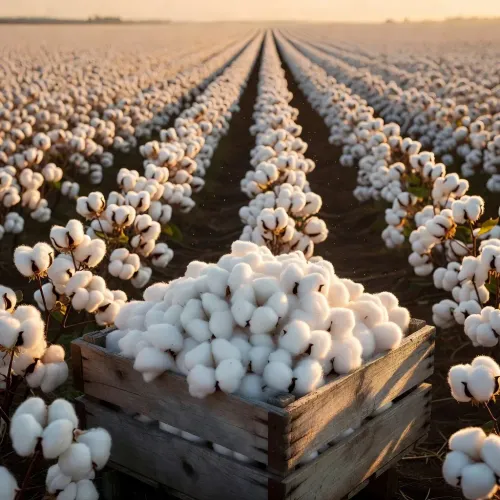
Cotton is the single largest raw material cost for India's spinning mills and garment exporters. When global cotton prices spike or domestic crop shortfalls bite, mills that import fibre face a double burden — the commodity price itself, and the customs duty layered on top. Stripping that duty out, even temporarily, compresses input costs directly and quickly.
The Ministry of Textiles has deployed this instrument before. Periodic customs duty exemptions on cotton imports have been used in prior years to break price volatility cycles and prevent capacity underutilisation at mills. This latest extension follows that established policy lineage — a lever the government pulls when the sector signals stress.
The Bangladesh-Vietnam Pressure India Cannot Ignore
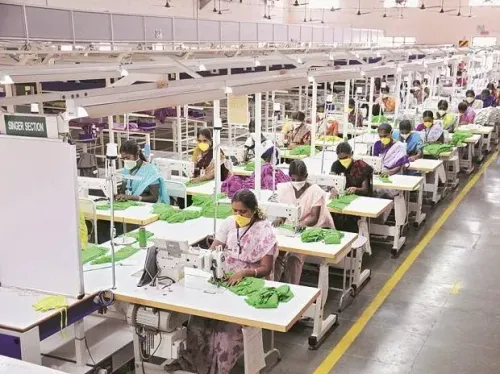
The stakes are not just domestic. India's textile and apparel sector is one of the country's largest export earners and employers. But competitors — particularly Bangladesh and Vietnam — operate with structurally lower input costs and have aggressively captured order books from global fashion brands. Any cost disadvantage on raw cotton is not an abstract policy problem; it shows up in lost shipments and idle looms.
Duty-free cotton access narrows that gap. It means Indian exporters can quote sharper prices, commit to delivery timelines with confidence, and absorb less risk on contracts. For garment clusters in Tiruppur, Surat, Ludhiana and Mumbai, that translates into real orders and real jobs.
What Industry Will Watch Next
The positive industry reception Minister Singh cited will now be tested in export order data over the coming months. Analysts will track whether mill utilisation rates improve and whether fresh buyer commitments from Europe and the US follow the cost relief. Any further duty review ahead of the next Union Budget or trade policy cycle will be closely watched as a signal of the government's sustained commitment to the sector's competitiveness.
For a ministry that has been pushing hard to grow India's share of global textile trade, extending a duty waiver may look like a defensive move — but in a market where margins are razor-thin and rivals are relentless, keeping the supply chain affordable is how you stay in the game.
Frequently Asked Questions
What is the customs duty exemption on cotton imports in India?
It is a government measure that allows textile manufacturers to import raw cotton without paying the standard customs duty, reducing input costs for spinning mills and garment exporters. The exemption is typically granted for a fixed period and renewed based on market conditions.
Why has the cotton import duty exemption been extended in 2026?
Union Textiles Minister Giriraj Singh stated the extension is aimed at easing raw material availability and cost pressures for the textile and garment industry, enabling better production planning and helping Indian exporters remain competitive in global markets.
How does cotton duty relief help Indian garment exporters?
Lower input costs allow manufacturers to quote more competitive prices to international buyers, reduce production uncertainty, and fulfill orders on time — directly strengthening India's position against rivals like Bangladesh and Vietnam in global fashion supply chains.
Which textile clusters in India benefit most from cotton import duty waivers?
Major garment and textile manufacturing hubs such as Tiruppur, Surat, Ludhiana, and Mumbai benefit significantly, as these centres rely heavily on consistent and affordable cotton supplies to maintain export order volumes.
What should we watch for after the cotton duty exemption extension?
Key indicators include changes in spinning mill utilisation rates, growth in export order commitments from European and US buyers, and any further policy review before the next Union Budget or trade policy announcement.