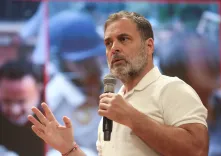
Giriraj Singh backs cotton duty relief, cites export and MSME boost
Synopsis
Union Textiles Minister Giriraj Singh amplified industry support for a cotton import duty waiver on 31 May 2026, saying the relief will lower input costs for spinning and garment units, strengthen exports, and provide a direct boost to the MSME-dominated textile value chain.
Key Takeaways
Union Textiles Minister Giriraj Singh shared industry reaction to a cotton import duty waiver on 31 May 2026 .
The textile industry has welcomed the relief, citing expected gains for exports and MSMEs .
Cotton import duty adjustments are a recurring government tool to manage raw-material costs for spinning and apparel units.
MSMEs form the backbone of India's textile value chain and benefit most directly from lower input costs.
The government must balance manufacturer competitiveness against domestic cotton farmer price realisations during the 2026-27 season .
A formal follow-up notification from the Ministry of Textiles or Ministry of Finance will determine the exact scope and duration of the waiver.
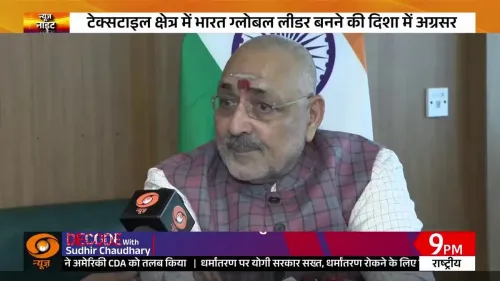
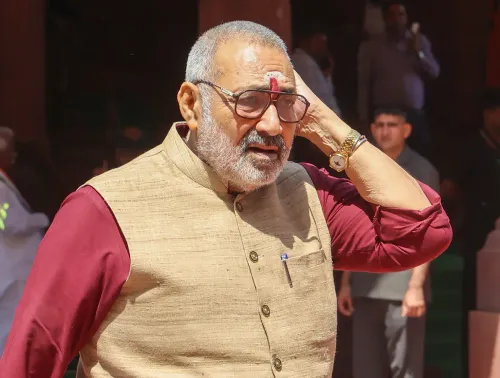
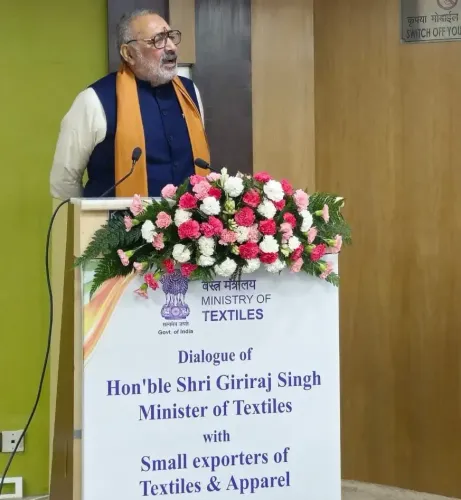
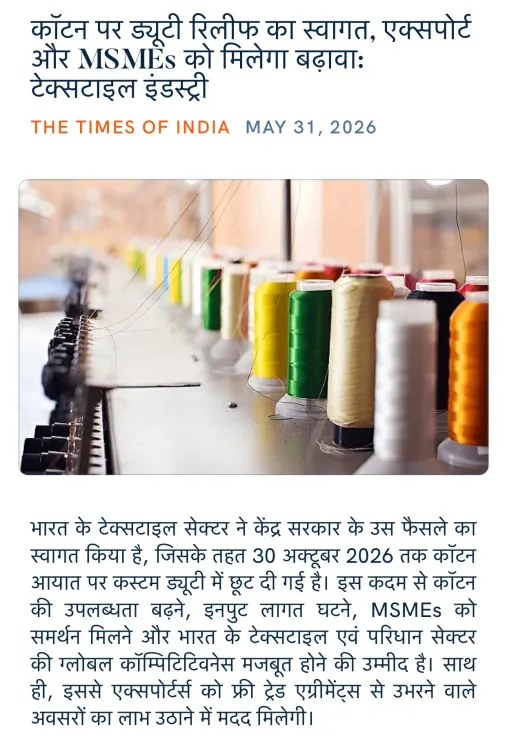
Union Textiles Minister Giriraj Singh on Sunday, 31 May 2026 shared industry reaction to a cotton import duty waiver, highlighting that the textile sector has welcomed the relief and expects it to strengthen exports and support micro, small and medium enterprises (MSMEs) across the value chain.
Context
The minister shared a report headlined 'Cotton par duty relief ka swagat, export aur MSMEs ko milega badhaawa: Textile Industry' — ('Textile industry welcomes cotton duty relief, exports and MSMEs to get a boost') — via the NaMo App, signalling the government's intent to amplify positive industry sentiment around the tariff measure. The post underscores the Ministry of Textiles' active communication strategy around input-cost reforms.
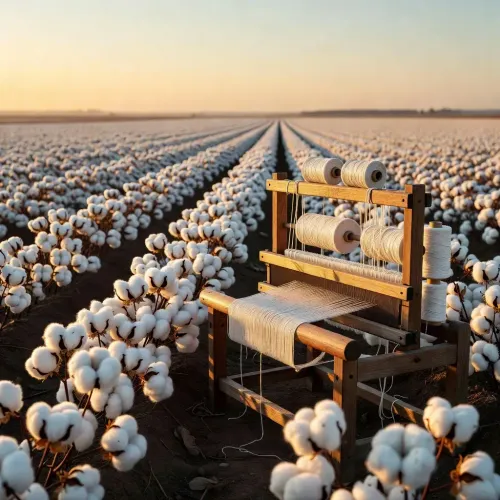
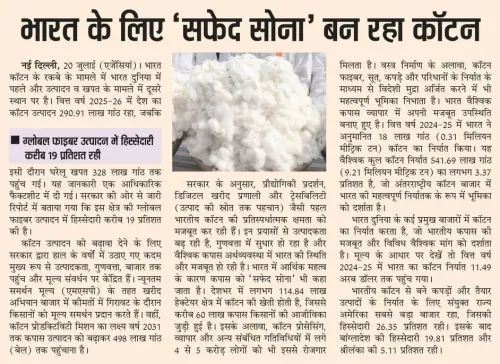
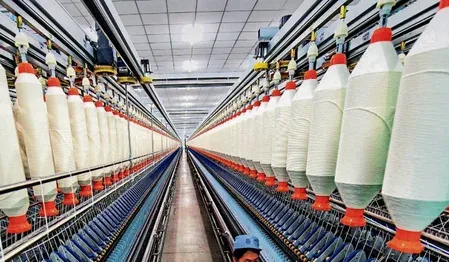
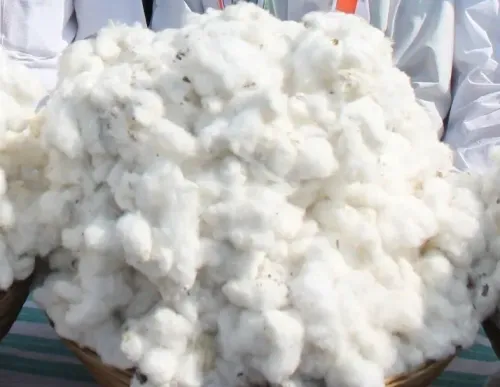
Cotton is the primary raw material for India's spinning and apparel sectors, and import duty adjustments have historically been one of the most direct levers available to the government to influence production costs for mills and garment units alike.
Policy Backdrop
India has periodically revised cotton import duties to balance two competing interests: keeping raw-material costs low for manufacturers, and protecting the price realisation of domestic cotton farmers. The current relief is framed as a measure to sharpen the competitiveness of Indian textile exports at a time of heightened global demand volatility.
The Ministry of Textiles has in recent years pursued a multi-pronged approach — combining production-linked incentive schemes, infrastructure upgrades through PM MITRA textile parks, and periodic tariff calibration — to raise India's share in global apparel and fabric trade. A reduction in cotton import duties fits within that broader arc of making domestic manufacturing more cost-competitive.
Stakeholders and Impact
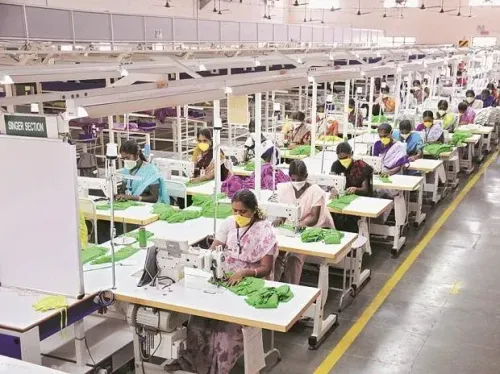
MSMEs account for the bulk of employment and output across India's textile value chain, from spinning and weaving to dyeing and garmenting. Lower cotton input costs directly improve their margins, enabling more competitive export pricing in destination markets such as the United States, European Union, and Bangladesh-routed supply chains.
Larger integrated mills also stand to benefit, though the relief is particularly significant for smaller units that lack the hedging capacity to absorb raw-material price swings. Industry bodies have flagged that sustained duty relief, rather than episodic waivers, would provide greater planning certainty for capacity investment.
On the other side of the ledger, domestic cotton farmers and their associations will watch whether reduced import barriers exert downward pressure on Minimum Support Price (MSP) realisations during the 2026-27 crop season. The government will need to calibrate the duration and quantum of the waiver carefully to avoid eroding farm incomes.
What's Next
Analysts and industry stakeholders will track whether the Ministry of Textiles or the Ministry of Finance issues a follow-up notification formalising or extending the duty relief beyond an initial window. Any such notification will detail the exact quantum of the waiver and the eligible cotton categories, which will determine the true scale of the benefit flowing to exporters and MSMEs.
The impact on domestic cotton arrivals and farmer price realisations during the 2026-27 season will be a key indicator of whether the government has struck the right balance between manufacturer competitiveness and agricultural income support.
Point of View
Employment-intensive sector. It signals that the Ministry of Textiles is positioning tariff relief as a complement to structural schemes like PM MITRA, rather than a standalone measure. The timing — shared via the NaMo App — also reflects the BJP government's practice of using party-aligned digital channels to frame economic decisions in a positive light before formal parliamentary scrutiny. The key test will be whether the relief translates into measurable export growth without triggering farmer discontent over cotton price suppression.
NationPress
14 Oct 2026
Frequently Asked Questions
What is the cotton import duty relief that India's textile industry welcomed?
The cotton import duty relief refers to a waiver or reduction of import tax on cotton, aimed at lowering raw-material costs for domestic spinning mills and garment manufacturers. The textile industry has said this will improve their competitiveness and boost exports.
How will the cotton duty waiver help MSMEs in India?
MSMEs dominate India's textile value chain and have limited ability to hedge against raw-material price swings. Lower cotton import duties directly reduce their input costs, allowing them to price exports more competitively in global markets.
What did Giriraj Singh say about the cotton duty relief?
Union Textiles Minister Giriraj Singh shared industry reaction on 31 May 2026 indicating that the textile sector welcomes the cotton duty relief and expects it to boost exports and support MSMEs across the value chain.
Will the cotton duty waiver affect cotton farmers in India?
Reduced import barriers could put downward pressure on domestic cotton prices, which may affect farmer realisations. The government will need to calibrate the waiver's duration and scope to avoid eroding farm incomes during the 2026-27 crop season.
What is India's broader textile export policy in 2026?
India's textile export strategy combines production-linked incentive schemes, PM MITRA integrated textile parks, and periodic tariff adjustments — including cotton duty relief — to raise the country's share in global apparel and fabric trade.