Cotton duty waiver from June 1 boosts Tiruppur knitwear exports
Synopsis
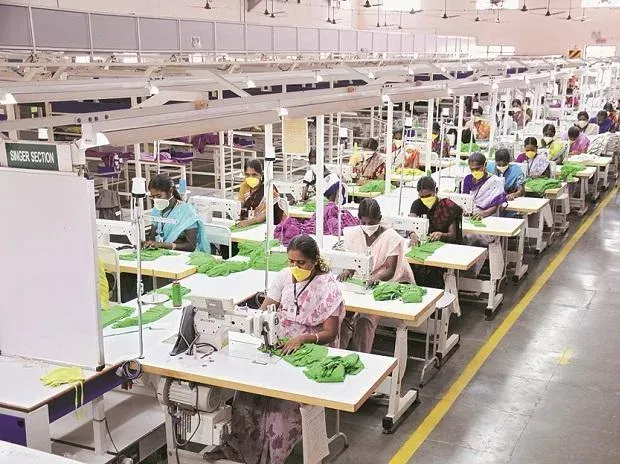
The Centre's decision to scrap all customs duties on cotton imports from 1 June to 30 October is a direct lifeline for Tiruppur — India's knitwear export capital — where SMEs have been absorbing punishing raw material costs for months. With rivals like Bangladesh and Vietnam undercutting on price, the five-month window could prove decisive for India's textile export recovery.
Key Takeaways
The Centre has exempted all customs duties on cotton imports from 1 June to 30 October .
Sakthivel called the move 'the need of the hour,' citing benefits across the textile value chain.
Subramanian said the waiver will reduce production expenses for knitwear exporters.
SMEs in the textile sector are expected to be the primary beneficiaries, having faced sharp rises in cotton and yarn prices.
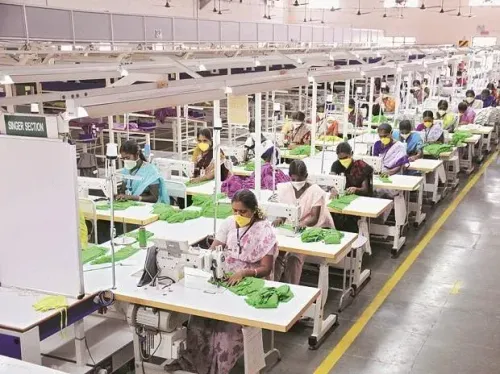
Tiruppur plays a central role in India's knitwear exports and is among the key hubs set to benefit.
The government is expected to review the measure after 30 October based on price and supply conditions.
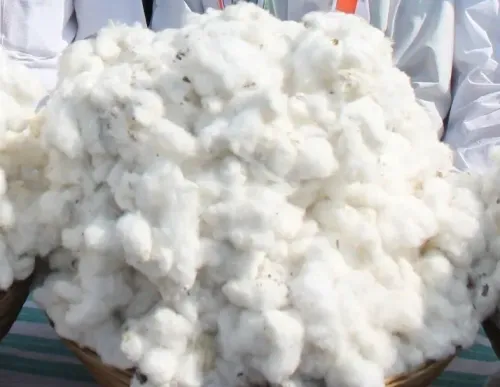
The Centre on 1 June announced a temporary exemption from all customs duties on cotton imports, effective 1 June to 30 October, providing immediate relief to Tiruppur's knitwear and textile industry. The move, aimed at moderating domestic cotton prices and easing raw material shortages, has been broadly welcomed by exporters, spinning mills, and industry associations across Tamil Nadu.
What the Duty Waiver Covers
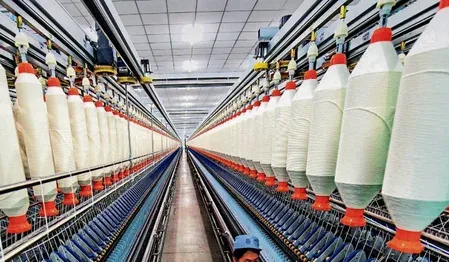
The temporary exemption removes all customs duties on cotton imports for a five-month window. Industry leaders say the measure will lower input costs across the entire textile value chain — from spinning mills procuring raw cotton to garment exporters competing in global markets. The relief is particularly significant given that cotton and yarn prices have risen sharply over the past several months.
Industry Reaction
Apparel Export Promotion Council (AEPC) Chairman A. Sakthivel called the move 'the need of the hour.' He said the waiver would 'help moderate domestic cotton prices, improve the availability of quality cotton and reduce input costs across the textile value chain.' Sakthivel further noted that the measure would strengthen the competitiveness of Indian textile and apparel exports at a time when the country faces intense pressure from rival textile-producing nations.
Tiruppur Exporters' Association (TEA) President K.M. Subramanian said the decision would 'help reduce production expenses and improve the operating environment for knitwear exporters,' adding that the industry had long sought measures to ease the burden of rising raw material costs.
South India Hosiery Manufacturers Association (SIHMA) President P. Shanmugasundaram said the exemption would support the full textile ecosystem — spinning mills, fabric manufacturers, and garment exporters alike — and boost major hubs such as Tiruppur, which is central to India's knitwear export footprint.
Impact on SMEs and Export Competitiveness
Small and medium enterprises (SMEs) stand to gain the most from the duty relief, according to AEPC's Sakthivel. Many SMEs have been squeezed by the sharp rise in cotton and yarn prices, with limited ability to pass on costs to overseas buyers. Lower import-parity pricing for cotton is expected to ease that margin pressure and help Indian exporters reclaim ground lost to competitors in Bangladesh, Vietnam, and other low-cost textile hubs.
This comes amid a broader push by the Centre to shore up India's textile export performance, which has faced headwinds from global demand softness and elevated input costs. Tiruppur alone accounts for a substantial share of India's total knitwear exports, making it a bellwether for the sector's health.
What Happens Next
The exemption runs through 30 October, after which the government is expected to review cotton price trends and supply conditions before deciding on any extension. Industry stakeholders have expressed hope that the measure will stabilise cotton prices, strengthen export order books, and inject fresh momentum into one of India's largest employment-generating sectors. Whether the five-month window proves sufficient will depend on how quickly import volumes respond and whether domestic prices correct meaningfully.
Point of View
Not a structural solution — and the textile industry knows it. A five-month exemption addresses the symptom of high cotton prices but does nothing to resolve India's chronic dependence on monsoon-driven domestic cotton output or the fragmented spinning sector that amplifies every price shock. The real competitive gap with Bangladesh and Vietnam runs deeper than input costs: it includes labour flexibility, logistics, and trade agreement access. Without a longer-term raw material security policy, Tiruppur's exporters will be back at the government's door by November.
NationPress
25 Sept 2026
Frequently Asked Questions
What is the cotton customs duty waiver announced by the Centre?
The Centre has granted a temporary exemption from all customs duties on cotton imports, effective 1 June to 30 October. The move is designed to moderate domestic cotton prices and improve raw material availability for India's textile and apparel sector.
How does the duty waiver benefit Tiruppur's knitwear industry?
It lowers the cost of imported cotton, easing input cost pressure on spinning mills, fabric manufacturers, and garment exporters in Tiruppur. Small and medium enterprises, which have limited pricing power with overseas buyers, are expected to benefit the most.
Which industry bodies have welcomed the cotton duty exemption?
The Apparel Export Promotion Council (AEPC), Tiruppur Exporters' Association (TEA), and South India Hosiery Manufacturers Association (SIHMA) have all welcomed the move, with their respective presidents citing relief on raw material costs and improved export competitiveness.
How long will the cotton duty exemption last?
The exemption is in effect from 1 June to 30 October. The government is expected to review cotton price trends and supply conditions before deciding whether to extend it beyond that date.
Why were cotton prices a concern for the Indian textile industry?
Cotton and yarn prices rose sharply over the preceding months, squeezing margins for manufacturers — especially SMEs — and making Indian textile exports less competitive against rival producers in Bangladesh, Vietnam, and other low-cost hubs.