Cotton yarn prices fall ₹10/kg, Tiruppur knitwear exporters get relief
Synopsis
After a punishing five-month surge that lifted yarn costs by ₹65-70/kg, Tiruppur's knitwear hub is finally breathing again. The Centre's June-October cotton import duty waiver has cooled cotton from ₹69,000 to ₹63,000 per candy — but exporters call this a window of relief, not a structural fix.
Key Takeaways
Cotton yarn prices in Tiruppur have fallen by around ₹10 per kilogram across counts — the first major drop of 2025.
Cotton has eased to ₹63,000 per candy from nearly ₹69,000 before the duty waiver.
The Centre has exempted cotton imports from customs duty between June and October 2025 .
Between January and May, yarn prices had surged ₹65-70 per kilogram , squeezing exporter margins.
Industry views the relief as temporary, tied to the duty exemption window.
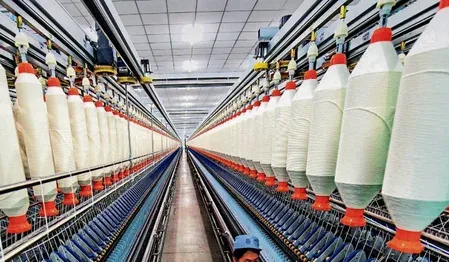
Cotton yarn prices have registered their first major decline of 2025, easing months of cost pressure on Tiruppur's knitwear and textile cluster in Tamil Nadu. Industry sources said yarn rates have softened by nearly ₹10 per kilogram across counts, mirroring a broader correction in raw cotton prices after the Centre's import duty waiver.
What triggered the correction
The reduction follows the Central government's decision to temporarily exempt cotton imports from customs duty between June and October 2025, a move aimed at boosting domestic supply and stabilising prices. Cotton has eased to around ₹63,000 per candy (356 kg), compared with nearly ₹69,000 per candy before the exemption was announced.
How sharp the earlier surge was
Between January and May, yarn prices had climbed by nearly ₹65 to ₹70 per kilogram, sharply lifting production costs for spinning mills, garment makers and exporters. Cotton itself had risen from around ₹54,000 per candy earlier in the year, driven by tightening supply and firmer global benchmarks.
Why Tiruppur matters
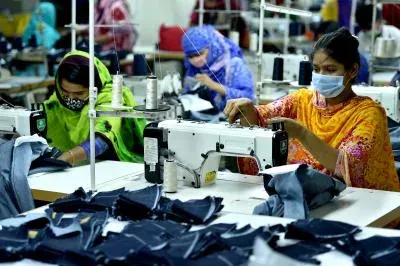
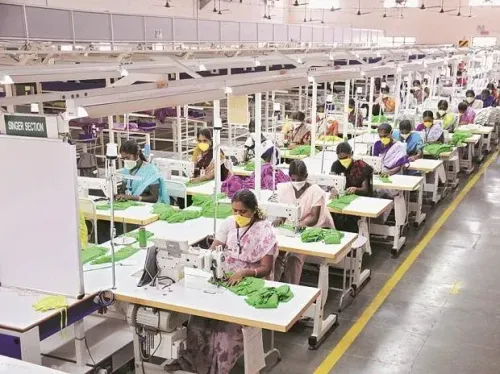
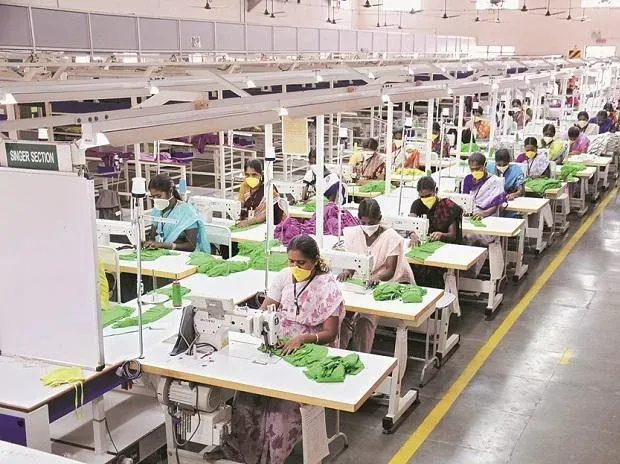
The Tiruppur knitwear cluster is one of India's largest textile and apparel export hubs, and had been disproportionately hit by the input cost spiral. Exporters had reportedly flagged concerns about losing competitiveness in overseas markets, with thinning margins squeezing order economics. The current decline is expected to benefit the entire value chain — from spinning and knitting units to garment exporters and retailers.
What happens next
Industry observers believe the correction could deepen if cotton imports pick up pace and domestic supplies improve further during the duty exemption window. Expectations remain that cotton may soften further through the four-month window, prompting additional yarn price reductions.
That said, manufacturers view the relief as temporary rather than structural. With global demand still uncertain, the near-term reprieve is welcome — but the sector will be watching what happens once the duty exemption lapses in October.
Point of View
But it also exposes how exposed Indian spinners remain to thin domestic cotton buffers. A ₹6,000-per-candy correction in weeks shows the price was as much about scarcity signalling as fundamentals. The bigger question is what happens after October — without a structural fix to cotton productivity and stocking policy, Tiruppur will be back to lobbying for the next exemption. Relief, yes; resilience, no.
NationPress
19 Sept 2026
Frequently Asked Questions
Why have cotton yarn prices fallen in Tiruppur?
Cotton yarn prices have fallen by around ₹10 per kilogram because the Centre exempted cotton imports from customs duty between June and October 2025, boosting supply and pulling raw cotton prices down. The correction has flowed through to spinning mills and yarn buyers in the Tiruppur cluster.
How much has the price of cotton dropped?
Cotton has declined to around ₹63,000 per candy (356 kg) from nearly ₹69,000 per candy before the import duty exemption was announced. Earlier in the year, cotton was trading at around ₹54,000 per candy before the surge.
How were Tiruppur knitwear exporters affected earlier?
Between January and May, yarn prices rose by nearly ₹65 to ₹70 per kilogram, sharply increasing production costs. Exporters had flagged concerns about losing competitiveness in international markets and thinning profit margins.
Will yarn prices fall further in the coming months?
Industry observers expect further softening if cotton imports increase and domestic supplies improve during the duty exemption window. However, manufacturers view the relief as temporary rather than a structural correction.
What is the duration of the cotton import duty exemption?
The Central government has exempted cotton imports from customs duty for the period between June and October 2025. The relief is aimed at increasing supply and stabilising domestic prices during the peak procurement window.