India cotton output falls to 290.91 lakh bales in FY26 amid acreage shift
Synopsis
India's cotton output has dropped by over 60 lakh bales in five years — not because yields collapsed, but because farmers are walking away from the crop. With acreage down nearly 14 per cent and import duty waived until October 2026, the government's ₹5,659 crore Kapas Kanti mission is the Centre's bet on reversing a quiet but consequential shift in Indian agriculture.
Key Takeaways
India's cotton production fell to 290.91 lakh bales in 2025–26 , from 352.48 lakh bales in 2020–21 .
Acreage contracted from 132.85 lakh hectares to 114.82 lakh hectares over the same period; productivity held at 428–451 kg per hectare .
The Centre has waived the 11 per cent import duty on cotton from 1 June to 31 October 2026 to ease domestic availability.
The Mission for Cotton Productivity (Kapas Kanti) — a five-year plan with a ₹5,659 crore outlay — runs from 2026–27 to 2030–31 .
A ₹300 crore component within the broader ₹5,664 crore programme is dedicated to New Age Fibres .
Duty exemption on Extra Long Staple cotton continues from 20 February 2024 to support quality textile segments.
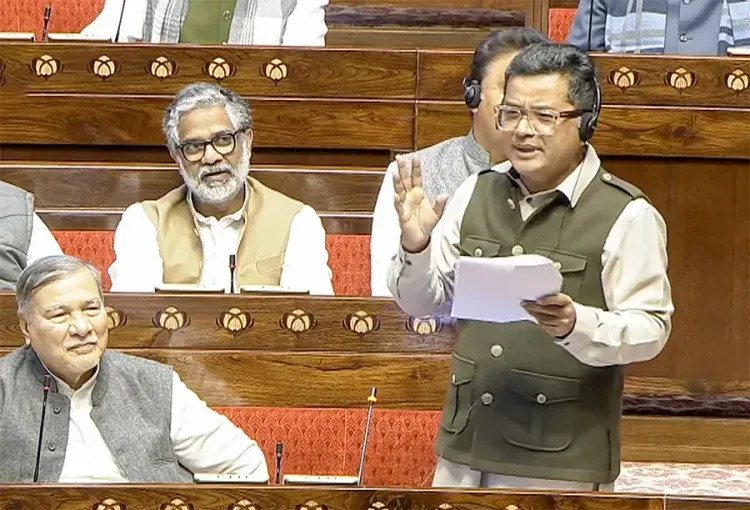
India's cotton production declined to 290.91 lakh bales in 2025–26, down from 352.48 lakh bales in 2020–21, even as productivity remained broadly stable at 428–451 kg per hectare, the government told Parliament on Friday, 24 July 2025. The data, shared in the Rajya Sabha, points to a structural shift in farm choices rather than a collapse in yields.
Why Output Has Moderated
Minister of State for Textiles Pabitra Margherita attributed the decline primarily to shrinking acreage. The area under cotton cultivation contracted from 132.85 lakh hectares in 2020–21 to 114.82 lakh hectares in 2025–26, as farmers diversified toward more remunerative alternatives. Productivity per hectare, notably, has held its ground — meaning the output drop is a land-use story, not an agronomic failure.
Price Movements and Import Cushion
International cotton prices rose approximately 19 per cent over the reference period, while domestic prices for the S-6 variety climbed around 18 per cent, according to the ministry. To offset tighter domestic supply, the government facilitates imports of raw cotton and cotton yarn as needed. Officials stated that the combined pool of estimated production, carry-over stocks, and imports continues to meet projected consumption, and the cotton situation is being continuously monitored.
Duty Relief to Ease Industry Access
To ensure competitive raw material availability, the Centre has exempted the 11 per cent import duty on cotton imports for the period 1 June 2026 to 31 October 2026. A separate, ongoing duty exemption on Extra Long Staple (ELS) cotton — effective from 20 February 2024 — has also been continued to support quality-sensitive segments of the textile sector. These measures are aimed at shielding domestic mills from global price volatility during a supply-constrained year.
Mission for Cotton Productivity: The Five-Year Plan
Looking beyond short-term relief, the government has approved the Mission for Cotton Productivity (Kapas Kanti), a five-year programme spanning 2026–27 to 2030–31 with an outlay of nearly ₹5,659 crore. The mission targets both higher yields and improved fibre quality. Within the broader ₹5,664 crore programme, a dedicated ₹300 crore component has been earmarked for New Age Fibres. The National Fibre Mission, announced in the 2026–27 Union Budget, complements this with components for scaling production and brand development.
What This Means for the Textile Industry
India's textile sector is among the largest employers in the country, and cotton remains its primary raw material. A sustained drop in acreage — if uncorrected — could structurally raise input costs for mills, particularly in states like Gujarat, Maharashtra, and Telangana that anchor domestic cotton supply. The Kapas Kanti mission's success in reversing the acreage trend will be closely watched by industry bodies and state governments alike. With the duty window open only until October 2026, the pace of imports in the coming months will signal how tight the domestic balance sheet truly is.
Point of View
The signal is that cotton's relative economics are losing the competition against other crops. Duty waivers and import windows are useful stopgaps, but they do not address the farm-gate calculus that is driving diversification. The Kapas Kanti mission's ₹5,659 crore outlay is the right instinct, but its success depends entirely on whether it can make cotton remunerative enough to recapture those 18 lakh hectares — a task that past productivity missions have consistently underdelivered on.
NationPress
22 Oct 2026
Frequently Asked Questions
Why has India's cotton production fallen in 2025–26?
India's cotton output declined to 290.91 lakh bales in 2025–26 primarily because farmers shifted to other crops, reducing the area under cotton cultivation from 132.85 lakh hectares in 2020–21 to 114.82 lakh hectares. Yield per hectare remained stable, so acreage contraction — not poor productivity — drove the output drop.
What is the Mission for Cotton Productivity (Kapas Kanti)?
Kapas Kanti is a government-approved five-year mission running from 2026–27 to 2030–31 with an outlay of nearly ₹5,659 crore, aimed at raising cotton yields and improving fibre quality. It includes a ₹300 crore component for New Age Fibres within a broader ₹5,664 crore programme.
Has the government reduced import duty on cotton?
Yes. The Centre has exempted the 11 per cent import duty on cotton imports from 1 June 2026 to 31 October 2026 to ensure adequate raw cotton availability at competitive prices. A separate duty exemption on Extra Long Staple cotton has been in effect since 20 February 2024.
How have cotton prices moved in recent years?
According to the government's statement to Parliament, international cotton prices rose approximately 19 per cent over the reference period, while domestic prices for the S-6 variety increased around 18 per cent. These price movements partly reflect the tighter global and domestic supply environment.
Is India's domestic cotton supply sufficient for its textile industry?
The government has stated that the combined pool of estimated production, carry-over stocks, and imports meets projected domestic consumption. Raw cotton and cotton yarn imports are undertaken as needed, and the cotton supply situation is continuously monitored.