TN CM Vijay urges PM Modi to scrap 11% cotton import duty amid textile crisis

Synopsis
Tamil Nadu CM C. Joseph Vijay has written to PM Modi demanding zero duty on cotton imports after prices surged nearly 25% in two months — from ₹54,700 to ₹67,700 per candy. With Tamil Nadu being India's largest textile exporter and lakhs of workers at risk, the letter frames duty relief not as a state request but as a national economic imperative.
Key Takeaways
Joseph Vijay wrote to PM Narendra Modi on 14 May 2025 demanding removal of the 11% cotton import duty .
Cotton prices have surged nearly 25% in two months — from ₹54,700 to ₹67,700 per candy .
Yarn prices have also risen, from ₹301 per kg to ₹330 per kg over the same period.
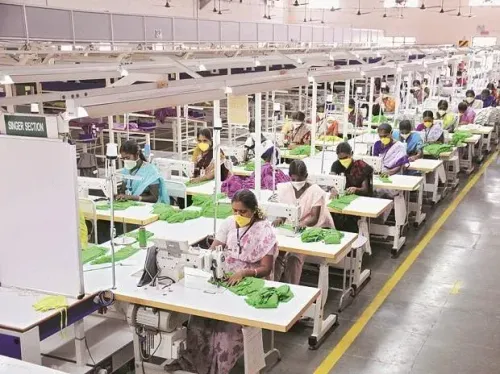
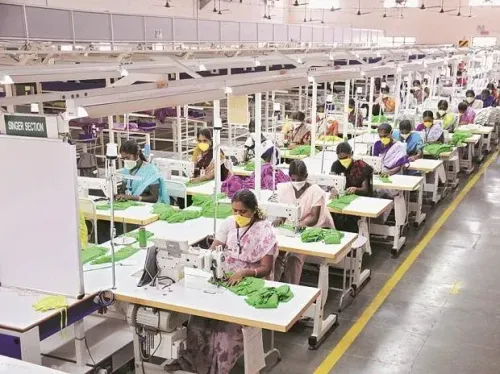
Tamil Nadu is India's largest textile and apparel exporting state , employing lakhs of workers , especially women in rural areas.
Vijay has urged the Centre to bring cotton import duty down from 11% to zero to stabilise supply and protect jobs.
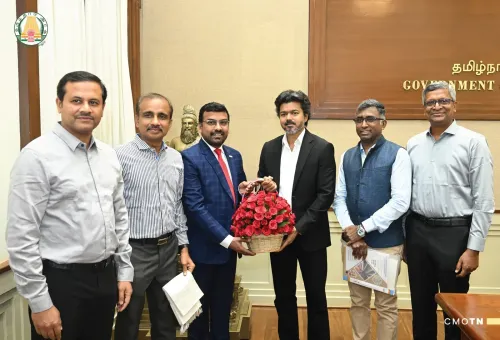
Tamil Nadu Chief Minister C. Joseph Vijay on Thursday, 14 May wrote to Prime Minister Narendra Modi, demanding the immediate removal of the 11 per cent import duty on cotton, citing a deepening crisis in the state's textile and apparel sector driven by surging raw material costs. The letter warns that lakhs of workers — particularly women in rural and semi-urban areas — face livelihood risk if the Centre does not act swiftly.
The Price Surge Behind the Crisis
Cotton prices in India have risen sharply from ₹54,700 per candy to ₹67,700 per candy over just the past two months — a spike of nearly 25 per cent. Yarn prices have followed suit, climbing from ₹301 per kg to ₹330 per kg over the same period.
Chief Minister Vijay attributed the surge primarily to a shortfall in domestic cotton production and heightened trading activity across the country, which has disrupted supply chains and placed garment manufacturers under severe cost pressure.
Why the Import Duty Is Now the Flashpoint
With domestic supply unable to meet industry demand, manufacturers have turned to imports as the only viable alternative. However, the existing 11 per cent import duty on cotton is making those imports prohibitively expensive, according to Vijay's letter to the Prime Minister.
'The textile and apparel industry in Tamil Nadu is undergoing a severe crisis because of the unprecedented rise in cotton and yarn prices,' Chief Minister Vijay said in the letter. He argued that permitting duty-free cotton imports would help the industry honour growing export commitments and remain globally competitive.
Tamil Nadu's Stake in India's Textile Exports
Tamil Nadu is described as India's largest textile and apparel exporting state, with the sector providing direct and indirect employment to lakhs of workers. Chief Minister Vijay underscored that after agriculture, textiles remain one of the country's largest employment generators — making the sector's stability a matter of national economic concern, not merely a state-level issue.
'There is a significant responsibility on the government to safeguard the employment of lakhs of people and ensure the sustainability of the textile value chain,' he said in the letter.
What the Chief Minister Is Asking For
Vijay has urged the Centre to reduce the cotton import duty from the current 11 per cent to zero. He argued the move would stabilise raw material availability, protect jobs, boost exports, and strengthen the global competitiveness of India's textile industry. This comes amid broader concerns about India's export performance in labour-intensive manufacturing sectors, where countries like Bangladesh and Vietnam have maintained a cost edge partly through lower input costs.
What Happens Next
The letter now awaits a response from the Prime Minister's Office and the Union Ministry of Textiles. Industry bodies in Tamil Nadu have reportedly been pressing for duty relief for several weeks. Whether the Centre acts before the peak export season will determine how much damage the current price spiral inflicts on order books and employment in the state's textile clusters.
Point of View
Nearly 25% in eight weeks, gives Vijay's letter unusual urgency. What is missing from the political framing is a harder look at why domestic cotton output has fallen short: procurement policy, acreage shifts, and climate factors all play a role that a duty waiver alone cannot fix. The Centre faces a genuine dilemma: protecting domestic cotton farmers who benefit from price support versus protecting downstream textile workers who outnumber them. Past duty waivers have offered temporary relief without resolving the structural supply-demand mismatch. Without a parallel push on cotton productivity and supply-chain transparency, the next price spike is only a season away.
NationPress
5 Oct 2026
Frequently Asked Questions
Why is Tamil Nadu CM Vijay demanding removal of the cotton import duty?
Chief Minister C. Joseph Vijay has demanded removal of the 11% cotton import duty because domestic cotton prices have surged nearly 25% in two months, making raw materials unaffordable for garment manufacturers. With domestic supply unable to meet demand, duty-free imports are seen as the only way to stabilise costs and protect jobs.
By how much have cotton prices risen in India recently?
Cotton prices have risen from ₹54,700 per candy to ₹67,700 per candy over the past two months — a jump of nearly 25%. Yarn prices have also increased from ₹301 per kg to ₹330 per kg in the same period.
What is the current cotton import duty in India?
The current import duty on cotton in India stands at 11%. Tamil Nadu CM Vijay has urged the Centre to reduce it to zero to make imports viable for the textile industry.
Why does Tamil Nadu's textile sector matter nationally?
Tamil Nadu is India's largest textile and apparel exporting state. The sector provides direct and indirect employment to lakhs of workers, particularly women from rural and semi-urban areas, making it one of the country's largest job creators after agriculture.
What caused the spike in cotton and yarn prices?
According to Chief Minister Vijay's letter, the price surge is primarily due to a shortfall in domestic cotton production combined with heightened trading activity across India, which has disrupted supply chains and driven up raw material costs for manufacturers.