Cotton import duty exemption: Textile industry hails timely relief for exports
Synopsis
The Centre has waived all customs duties on cotton imports for five months starting 1 June, a targeted move to cool raw material costs for India's textile and apparel sector. With AEPC pushing for the benefit to flow downstream through yarn pricing, the real test is whether the relief reaches the SME exporters who need it most.
Key Takeaways
The Centre granted a temporary customs duty exemption on all cotton imports from 1 June to 30 October 2025 .
The move is aimed at boosting cotton availability for the Indian textile sector amid geopolitical tensions and price volatility.
Sakthivel welcomed the decision and urged spinning mills to pass on cost savings through lower yarn prices.
Small and medium enterprises (SMEs) in the textile and apparel value chain are the primary intended beneficiaries.
AEPC had raised the issue through multiple representations and meetings with the government prior to the announcement.
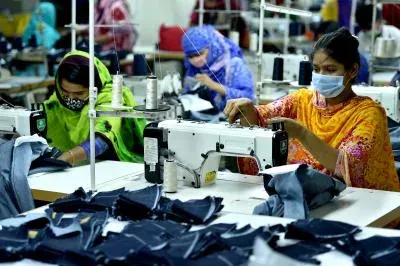
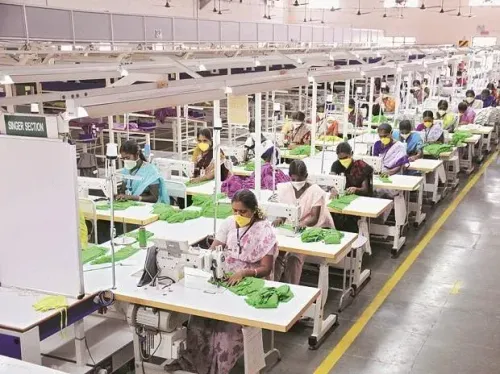
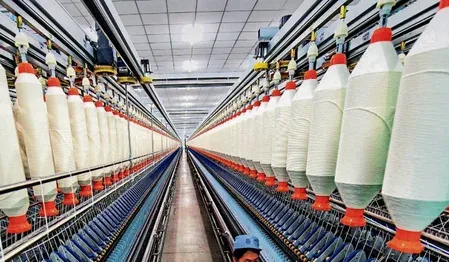
The Centre on 1 June 2025 granted a temporary exemption on all customs duties on cotton imports, effective 1 June to 30 October 2025, to bolster raw material availability for the Indian textile sector amid ongoing geopolitical tensions. The move has drawn widespread praise from the industry, with trade bodies saying it will ease input cost pressures and sharpen the competitiveness of Indian textile and apparel exports.
What the Exemption Covers
The duty-free window applies to all cotton imports during the five-month period and is designed to augment domestic supply at a time when price volatility in cotton and yarn has squeezed manufacturers — particularly small and medium enterprises (SMEs). The government stated that the measure aims to provide targeted relief to manufacturers and consumers while keeping the interests of domestic farmers in mind.
Industry Response
The Apparel Export Promotion Council (AEPC) welcomed the decision, saying it is expected to reduce input costs, improve cotton availability, and enhance the competitiveness of Indian apparel exports. AEPC Chairman Dr A. Sakthivel expressed gratitude to Prime Minister Narendra Modi, Finance Minister Nirmala Sitharaman, Commerce and Industry Minister Piyush Goyal, Agriculture Minister Shivraj Singh Chouhan, and Textiles Minister Giriraj Singh for what he described as a 'timely intervention' in support of the sector.
Dr Sakthivel also conveyed special thanks to Minister of State Dr L. Murugan for his coordination in addressing industry concerns. He noted that AEPC had been consistently raising the issue through a series of representations and meetings with the government, and said Saturday's announcement reflects the administration's commitment to export-oriented manufacturing.
Call to Spinning Mills
Dr Sakthivel urged spinning mills to pass on the benefit of lower raw material costs by rationalising yarn prices. He argued that downstream exporters can only secure and execute orders more competitively if the cost relief flows through the entire value chain — not just at the raw material stage.
Broader Impact on the Textile Value Chain
The temporary duty exemption is anticipated to moderate domestic cotton prices and strengthen the textile value chain from ginning through to finished apparel. The government noted that SMEs — the backbone of India's export-oriented textile clusters in states such as Tamil Nadu, Gujarat, and Maharashtra — stand to benefit the most. This comes amid persistent pressure on Indian exporters from competing sourcing destinations such as Bangladesh and Vietnam, where input costs have remained lower.
What Happens Next
The exemption runs through 30 October 2025, covering the peak order season for winter apparel. AEPC believes the measure will help consolidate India's position as a reliable global sourcing destination. Whether the relief is extended beyond October will likely depend on domestic cotton crop estimates and price trends in the upcoming kharif season.
Point of View
But it sidesteps a structural question: why does India's textile sector remain so exposed to cotton price shocks despite being one of the world's largest producers? The government's caveat about protecting farmer interests hints at the underlying tension — any sustained import liberalisation risks depressing farmgate prices in cotton-growing states ahead of the kharif harvest. AEPC's call for spinning mills to rationalise yarn prices is the right ask, but historically, cost pass-through in the textile chain has been uneven and slow. The five-month window may ease the immediate squeeze, but without a longer-term cotton price stabilisation mechanism, the next geopolitical disruption will trigger the same cycle of emergency relief.
NationPress
19 Sept 2026
Frequently Asked Questions
What is the cotton import duty exemption announced by the government?
The Centre has granted a temporary exemption on all customs duties on cotton imports, effective 1 June to 30 October 2025, to improve raw material availability for the Indian textile sector. The measure is intended to reduce input costs and ease pressure on manufacturers, particularly small and medium enterprises.
Why has the government exempted customs duty on cotton imports?
The exemption was announced to augment cotton availability amid geopolitical tensions that have disrupted global supply chains and driven up prices. Persistent volatility in cotton and yarn prices had been squeezing textile and apparel exporters, prompting repeated representations from industry bodies including AEPC.
Who benefits most from the cotton duty exemption?
Small and medium enterprises in the textile and apparel value chain are the primary beneficiaries, according to both the government and AEPC. Exporters operating in price-sensitive segments stand to gain if spinning mills pass on the lower raw material costs through rationalised yarn prices.
How long will the cotton import duty exemption last?
The exemption is in effect from 1 June 2025 to 30 October 2025 — a five-month window covering the peak order season for winter apparel. Whether it will be extended depends on domestic cotton crop estimates and price trends in the upcoming kharif season.
What has AEPC asked spinning mills to do?
AEPC Chairman Dr A. Sakthivel has urged spinning mills to pass on the benefit of lower cotton import costs by rationalising yarn prices. He argued that exporters can only improve their competitiveness if the cost relief flows through the entire textile value chain, not just at the raw material stage.